
3GPP specifications cover cellular telecommunications technologies, including radio access, core network, and service capabilities, which provide a complete system description for mobile telecommunications. In general, there are many wireless technologies […]
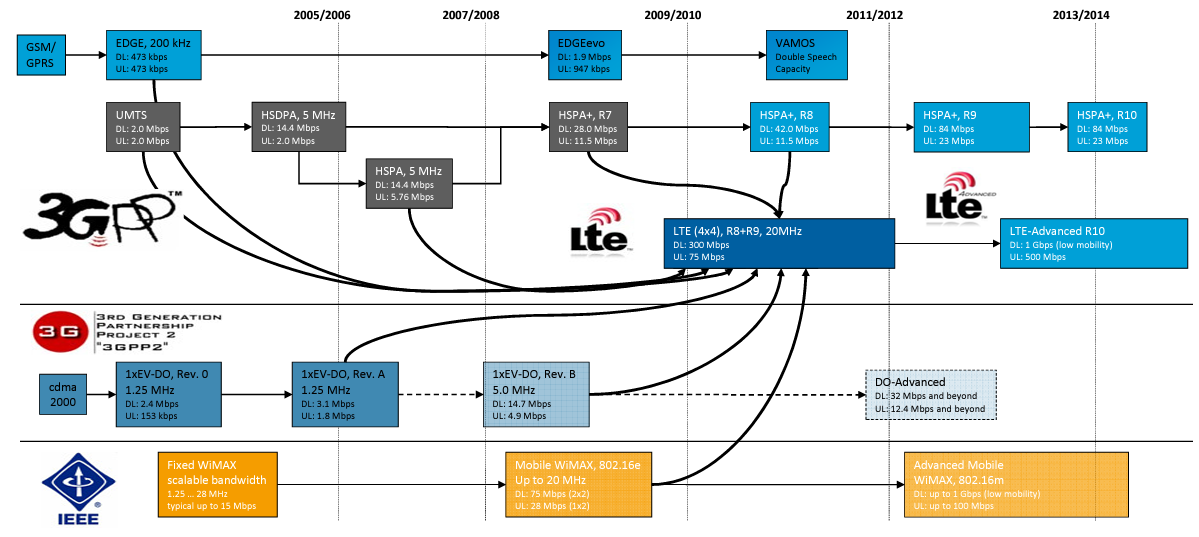
3GPP Releases, Main Features from 3G to 4G

The Best Analogy for OpenRAN is IKEA
For example, if we are looking at 5G RAN which is composed of a variety of subsystems including network elements such as the baseband unit (BBU) and remote radio Unit […]
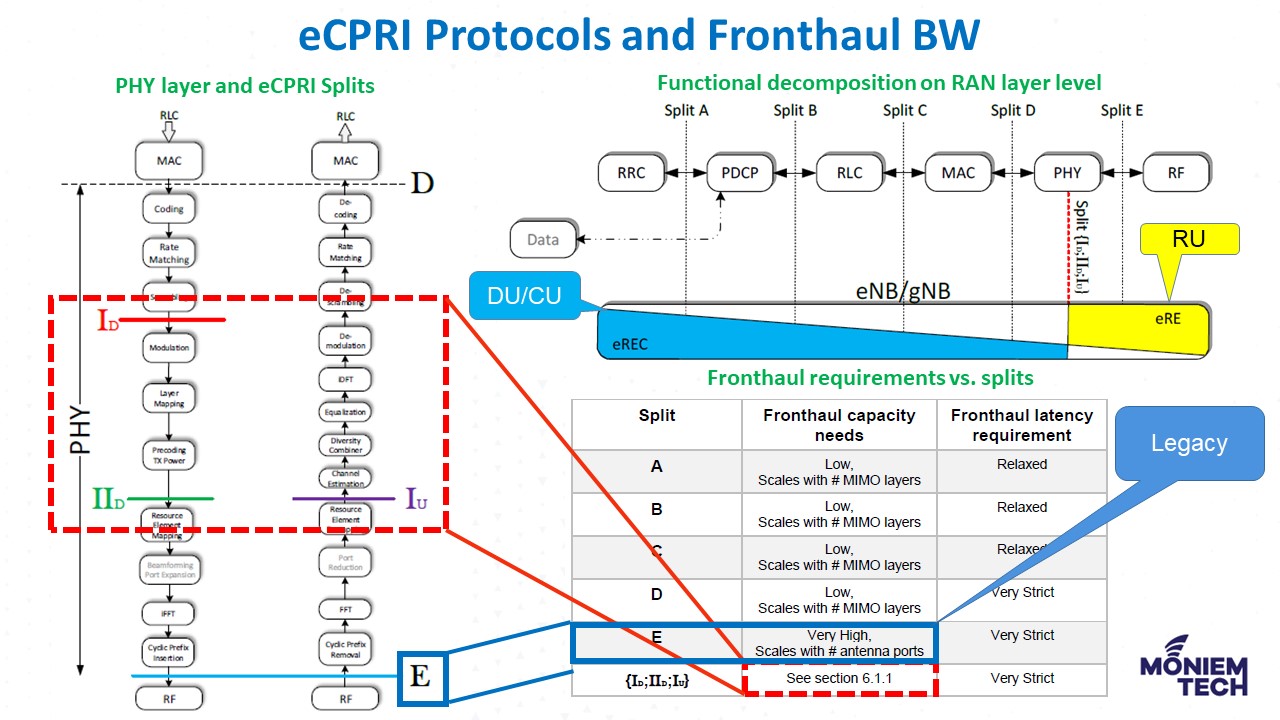
Why 5G needs moving from CPRI to eCPRI?
? CPRI is standardized by the Common Public Radio Interface forum with the first specification in 2003 with some features It is based on functional split 8 (Split E in […]
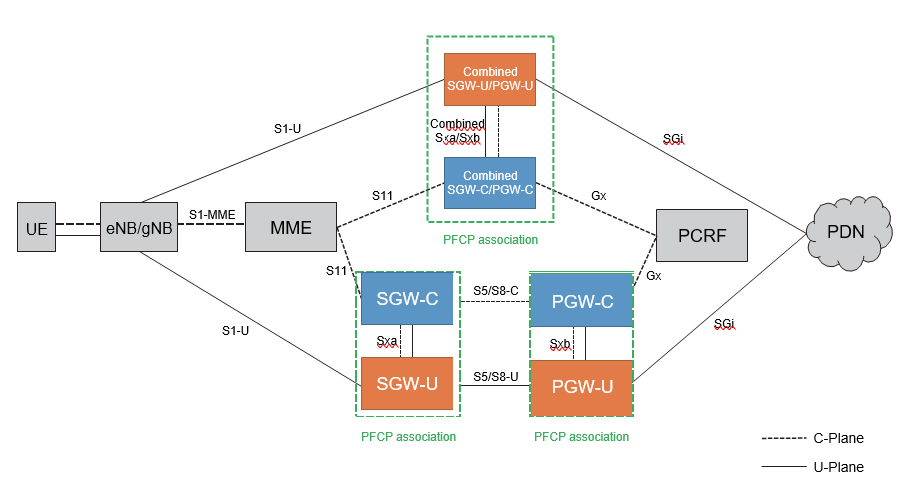
What is Control and User Plane Separation (CUPS)
Problem Statement As applications based on 5G become more widespread, the need for EPC to achieve higher speed and capacity communications, lower latency communications, and simultaneous connection of many terminals […]
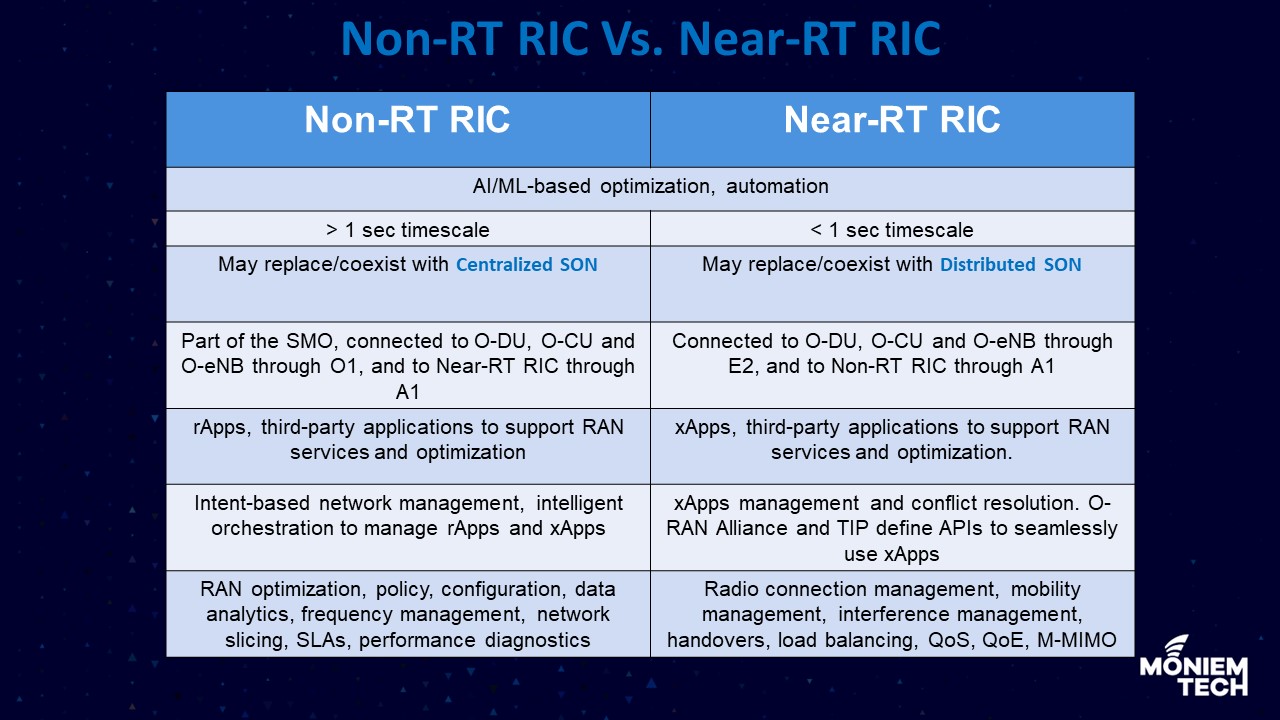
RIC Main Components: Non-RT RIC and Near-RT RIC
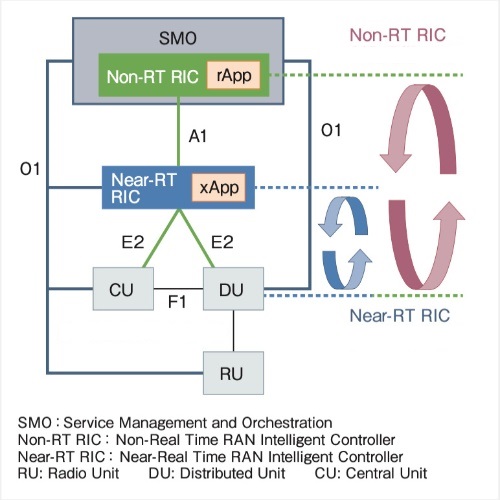
The RAN intelligent Controller (RIC) is cloud-native, and a central component of an open and virtualized RAN network. The RIC aligns with 3GPP release 15 and beyond. It is foundational […]
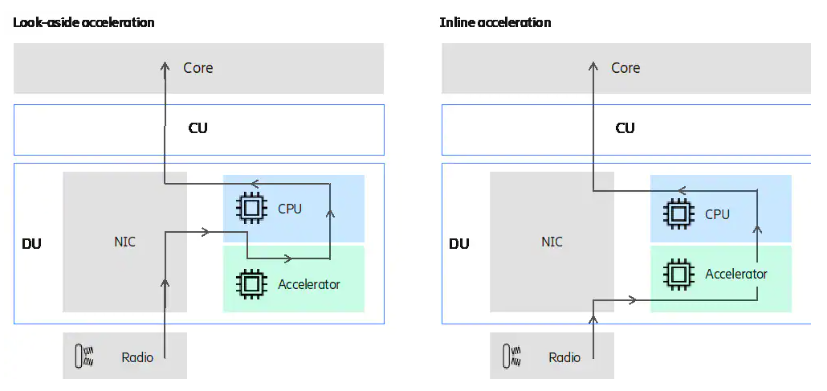
What is the difference between look-aside Acceleration and inline Acceleration ?
Open RAN by disaggregation involves CU (Centralized Unit) and DU (Distributed Unit) virtualization. By decoupling hardware and software, Open RAN makes it possible to select different vendors and solutions for […]
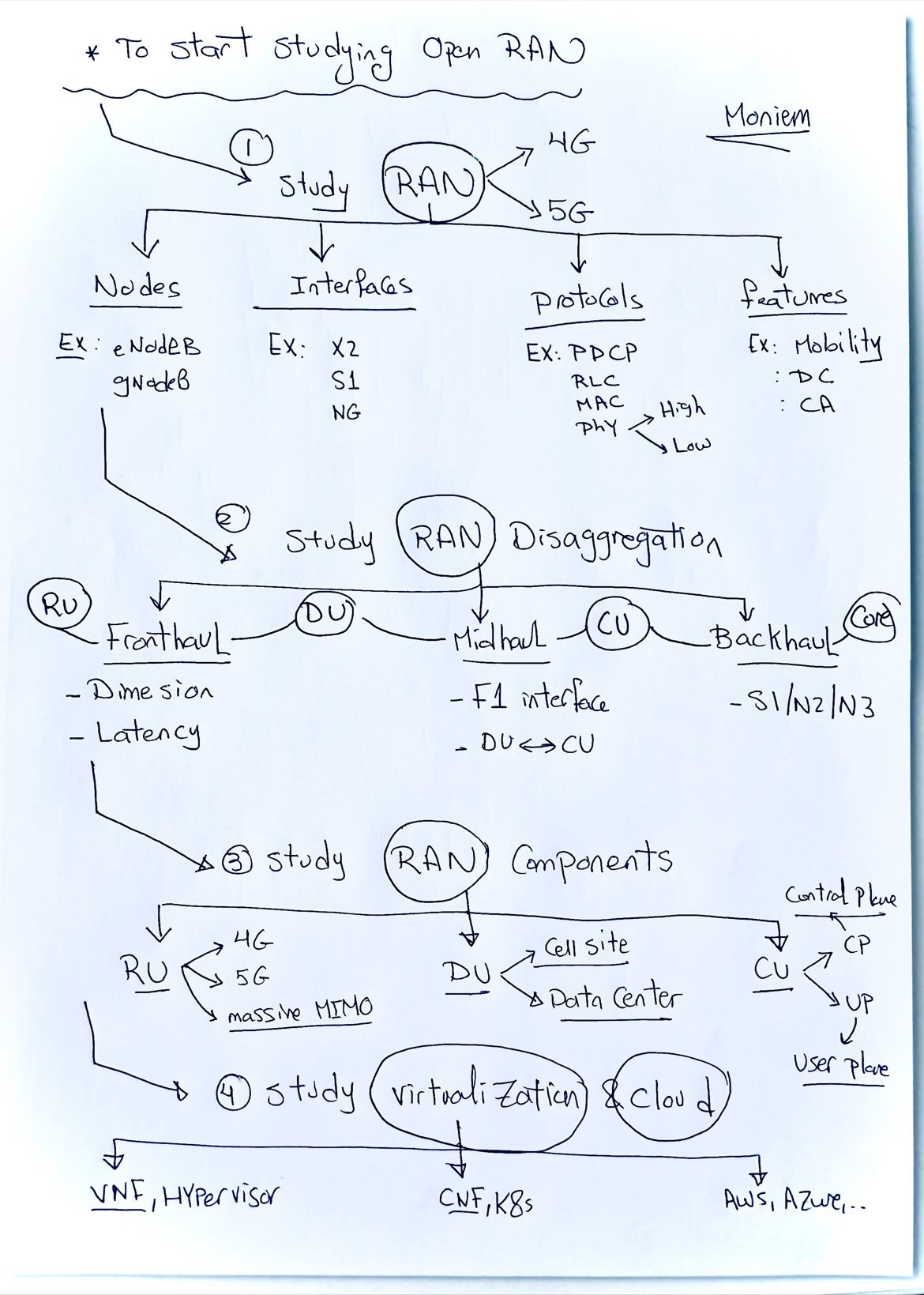
How To Start Your Open RAN Career?
The Open RAN concept is based on open and standardized interfaces, which grant interoperability. Thus, it enables multiple vendors to provide different parts of hardware and software. ? Although various […]
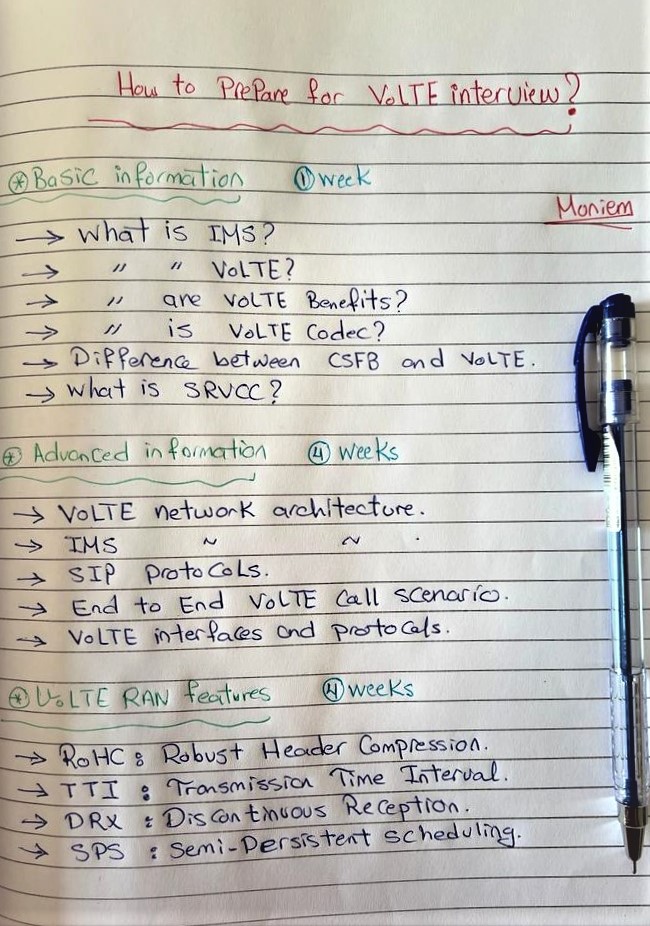
How to Prepare for VoLTE Interview?
How to Prepare for VoLTE Interview? ? Start Slowly with the Basic information of what is VoLTE, its Benefits, and its use cases. Also needs to understand the difference between […]

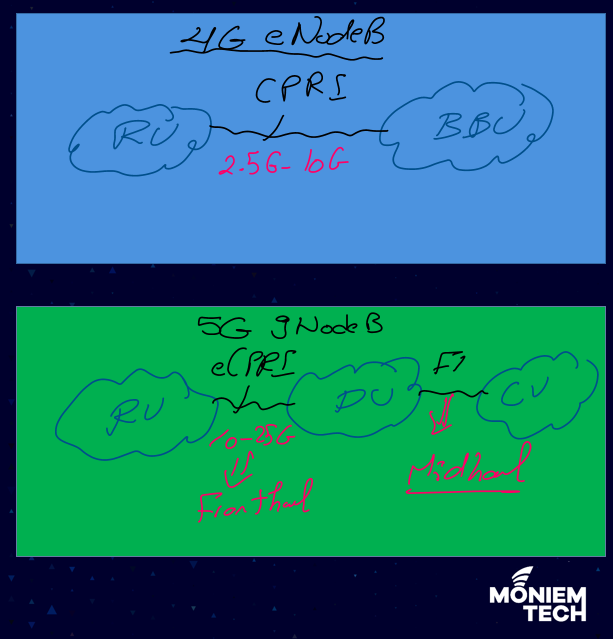
The Evolution from 4G to 5G by CPRI to eCPRI Transformation
As per Statista, The number of global unique mobile subscribers is expected to grow by 160 million from 5.7 billion subscribers in 2020 to 5.86 billion in 2025 and this […]

Open RAN Changes Your RAN Mindset!
The RAN has been considered the most expensive part of network deployment. RAN consists of around 60-70% of the network Capex. The Open RAN (Open Radio Access Network (RAN) Journey […]
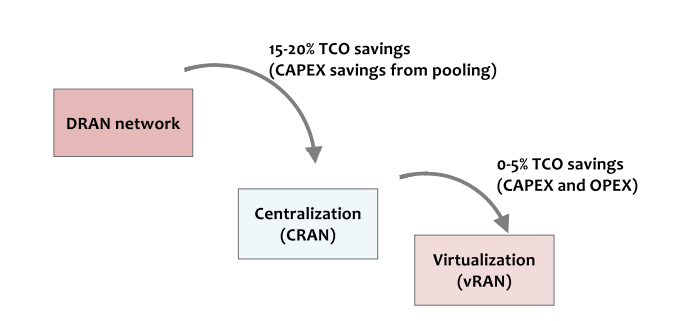
How Much Cost Is Saved by RAN Virtualization?
Virtualized radio access networks (vRANs) are a way for telecommunications operators to run their baseband functions as software. One of the primary benefits of virtualizing radio access networks (RANs) is […]
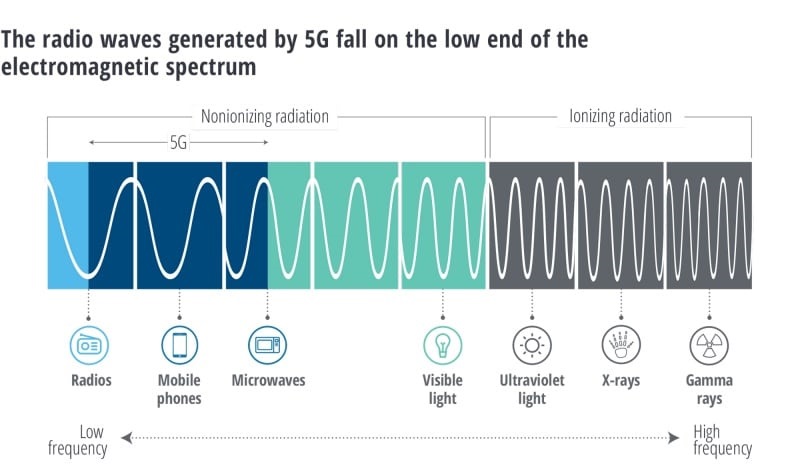
5G is Not Hazardous To Your Health
All generations of mobile phone technology, including 5G, take the same familiar underlying approach. A mobile network consists of a nationwide grid of cell sites. These sites feature transmitters that […]

3GPP Architecture for 5G NR
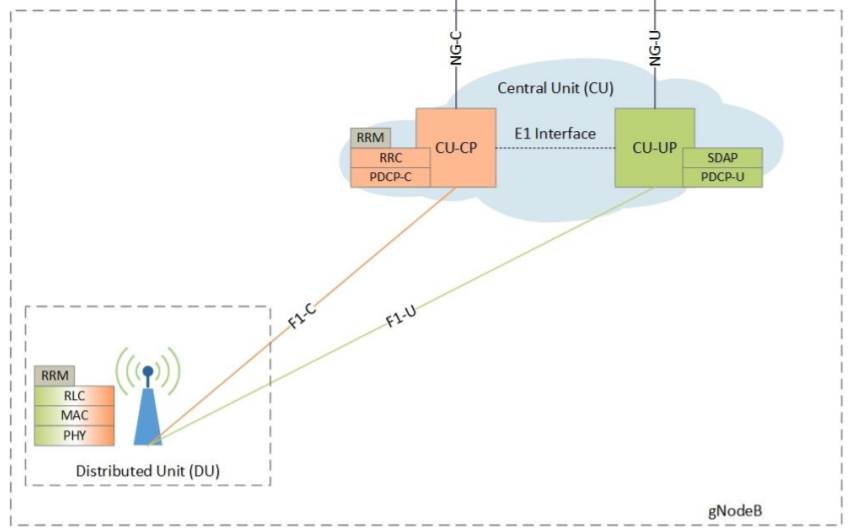
As per 3GPP, The gNB is divided into two logical functions: the CU and DU. The DU is the baseband unit in a 5G RAN. It handles layer 1 and […]
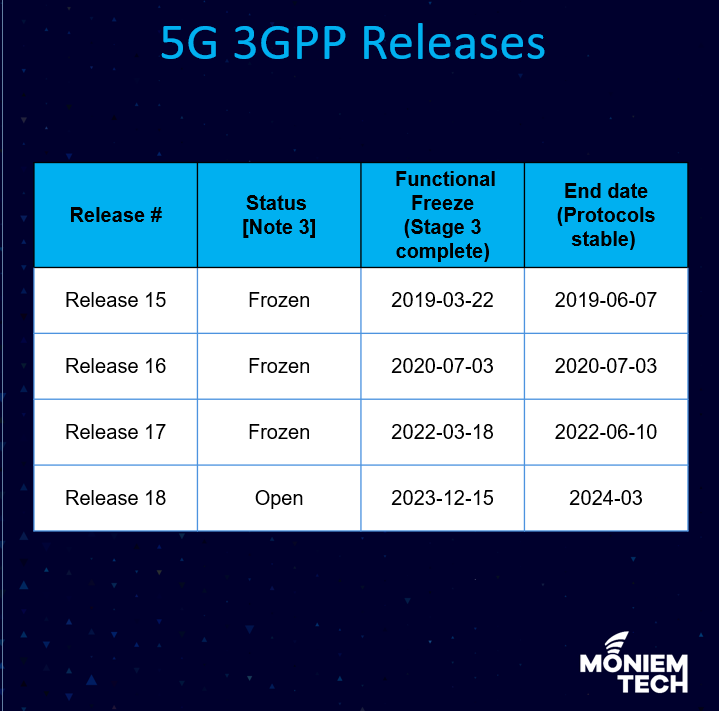
5G 3GPP Releases from Release 15 to Release 18
5G is an evolving standard. The initial version of 5G was accomplished with the freezing of Release 15 late-drop in summer 2019. Enhanced features originally were introduced in Release 15 […]
The Complete Guide to O-RAN Alliance
What is O-RAN Alliance? O-RAN Alliance is a global alliance founded in 2018. As of June 2022, the O-RAN Alliance had 345 members and contributors (O-RAN Alliance only allows communication […]
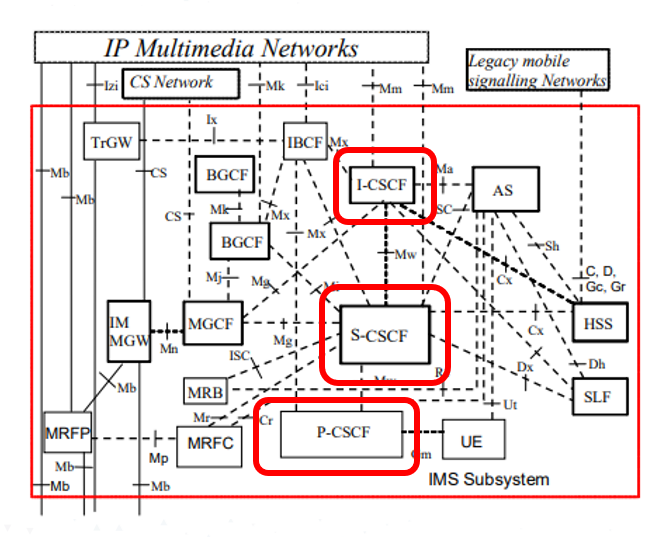
IMS Is The Core of VoLTE Network
Voice over LTE, or VoLTE is a GSMA profile of the standards defined for the delivery of services currently provided via Circuit Switch networks – mainly voice and SMS – […]
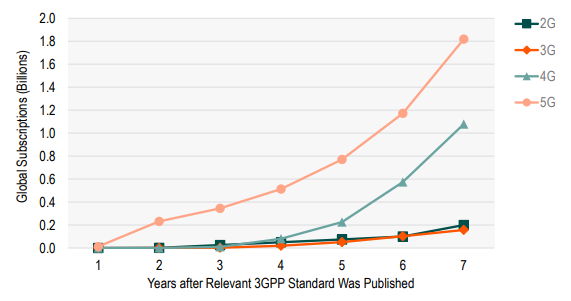
Why Is 5G Growth Faster Than The Previous Generations?
5G can be significantly faster than 4G, delivering up to 20 Gigabits-per-second (Gbps) peak data rates and 100+ Megabits-per-second (Mbps) average data rates. 5G has more capacity than 4G. 5G is […]
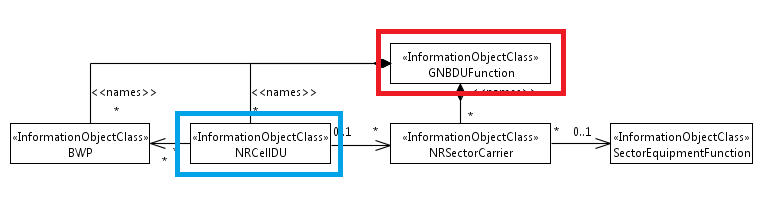
3GPP Yang Model for nrCellDU “5G SW Development”
3GPP TS 28.541 explains how Yang models are implemented in 5G gNB in gNB-CU and gNB-DU as below: The nrCellDU table models a geographical area of radio coverage that is implemented […]
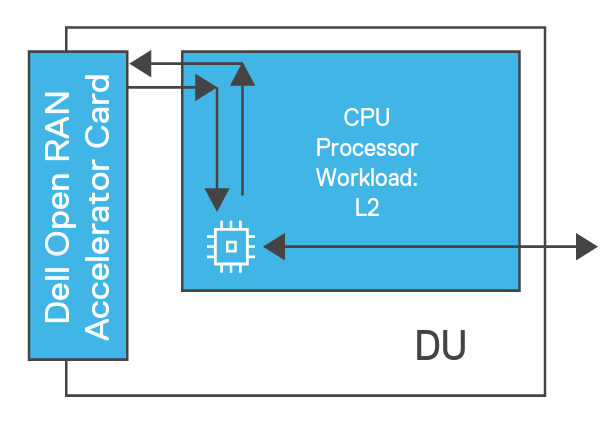
Why Physical Layer (L1) is a Big Deal in 5G Open RAN?
OpenRAN based on legacy compute architectures utilizes an excessively high number of CPU cores and energy to support 5G Layer 1 (L1) and other data-centric processing, like security, networking, and […]
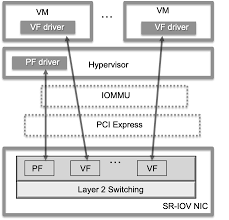
What is Single Root I/O Virtualization (SR-IOV)?
Single Root I/O Virtualization (SR-IOV) is a specification that allows a single Peripheral Component Interconnect Express (PCIe) physical device under a single root port to appear as multiple separate physical devices […]

When should MNOs shut down their 2G and 3G Networks?
Many of my friends asked me why MNOs (Mobile Network Operators) didn’t switch-off legacy networks like 2G and 3G till now. Yes, this is a good question specially day-by-day I […]
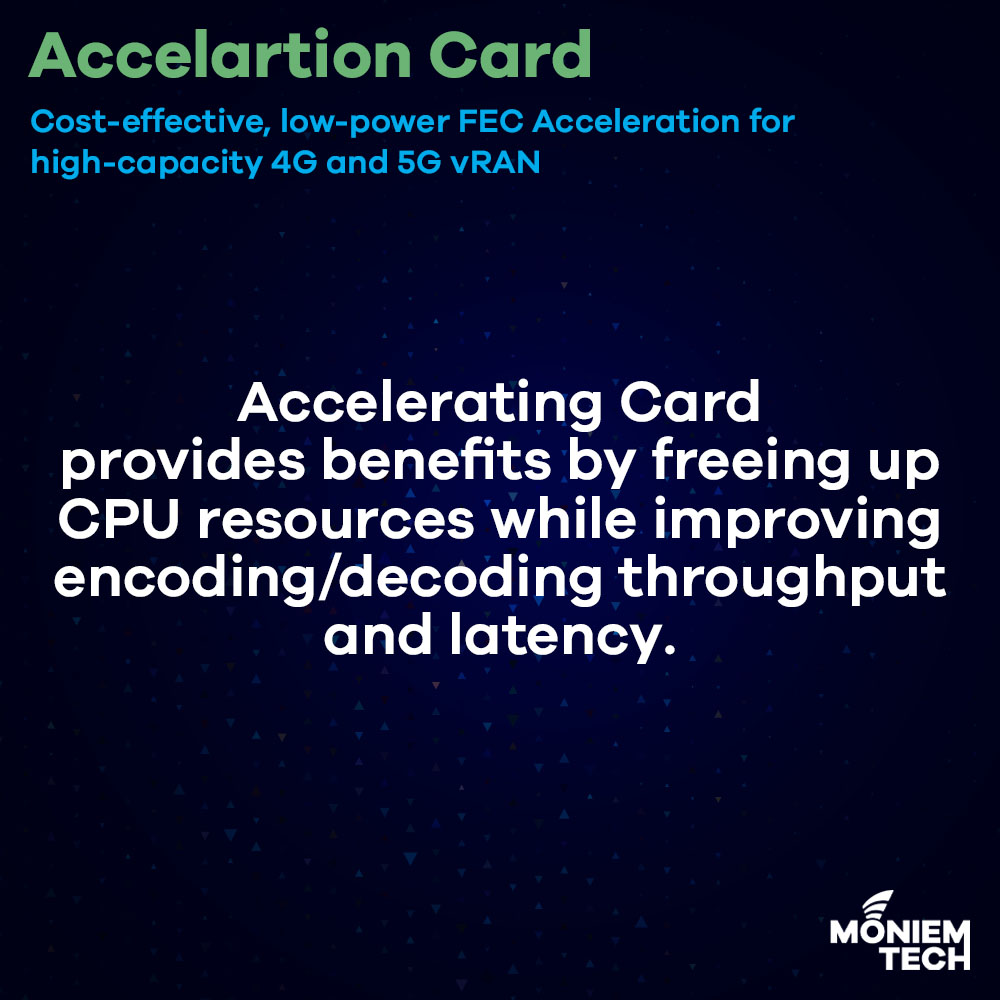
What is the Accelerating Card in Open RAN World?
On the road to 4G and 5G, MNO (Mobile Network Operators (MNOs) started to think of vRAN (Virtual RAN) and Open RAN, the main difference between them you can find […]
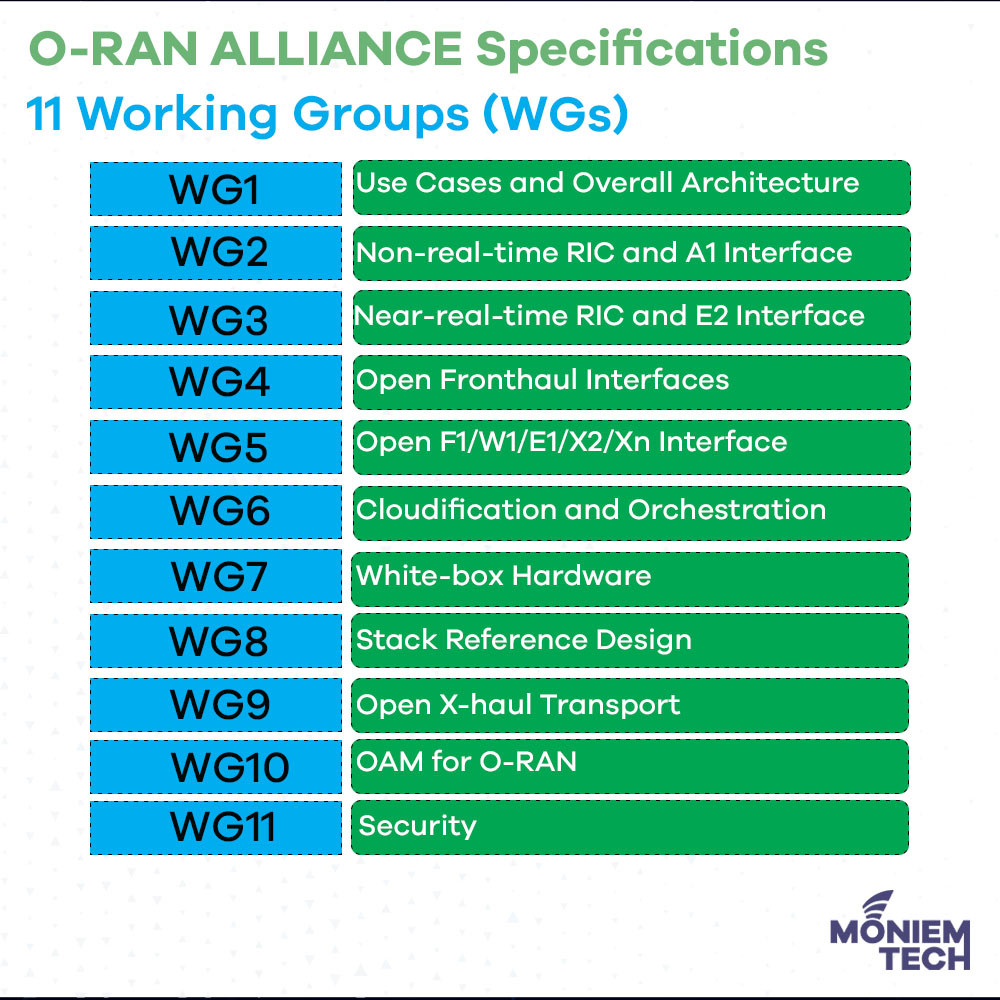
O-RAN ALLIANCE Specifications and Working Groups
The O-RAN Alliance (O-RAN) is a group that is defining specifications for radio access networks. It is a global alliance founded in 2018 and it is now comprised of close […]
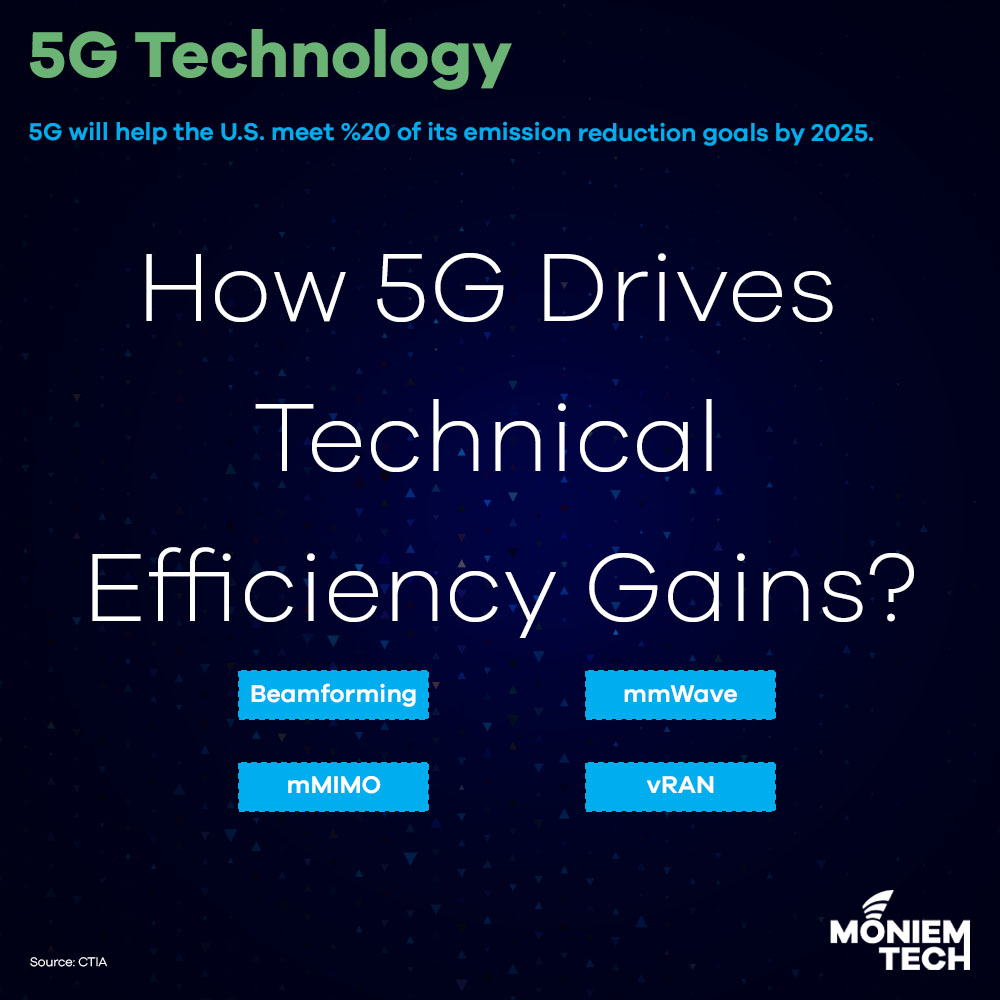
How 5G Drives Technical Efficiency Gains
5G builds upon existing network infrastructure to handle the increased demand for data in an interconnected society. It is transforming industries and is changing the way businesses and consumers use […]
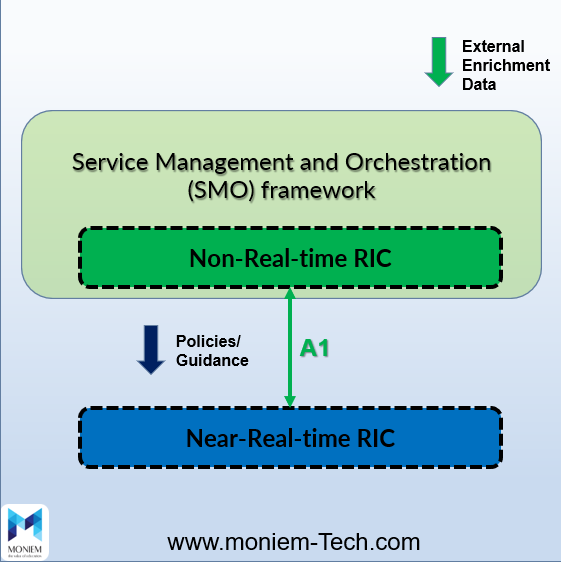
How The RIC is A Key Element in O-RAN Architecture?
In this article, I’d like to give more focus on a powerful component in the Open Radio Access Network (Open RAN) Architecture that will make an amazing shift in the […]
What the Open RAN Main Components?
Open RAN disaggregates the RAN into main 3 components as below: ? Upper Layer Split Central Unit (CU) • Logical node that includes a portion of the eNB/gNB functions as defined […]
Everything You Have To Know About PTP or Precision Time Protocol?
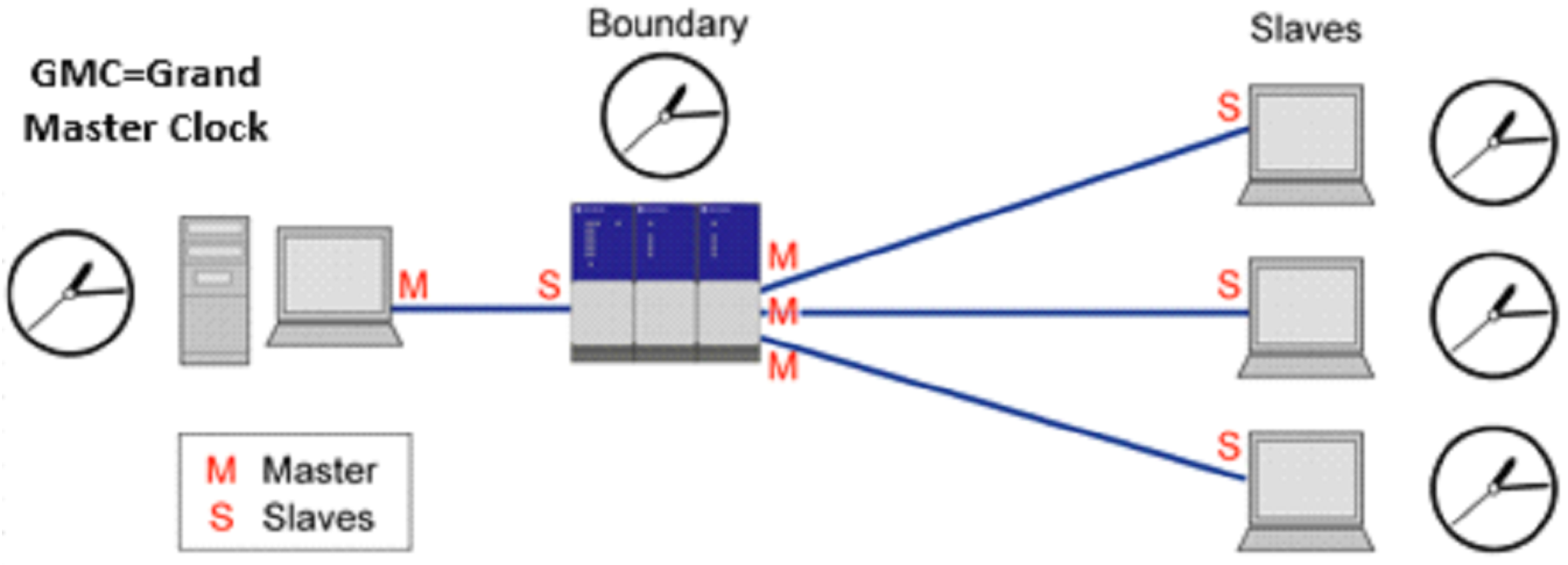
Introduction Several time synchronization mechanisms can be used in a network. The most common standards are Network Time Protocol (NTP) and Precision Time Protocol (PTP). NTP, which is the older, […]
What are C/U/M/S Fronthaul (FH) Planes in ORAN ?
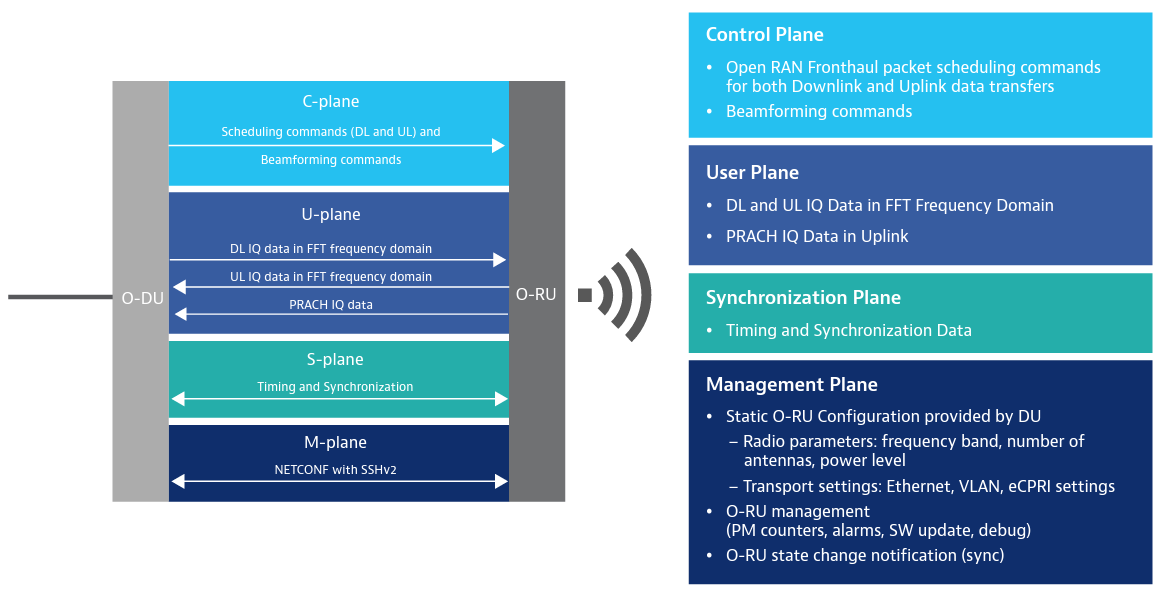
O-RAN’s proposed concepts and architectures use a split-RAN concept. There are 8 known ways to functionally split the RAN, and each one proposes splitting the processing so that different parts […]