
Sunsetting 2G and 3G networks is not an easy step for mobile network operators (MNOs) due to several technical, financial, and social factors. The decision isn’t just about technology—it’s about […]
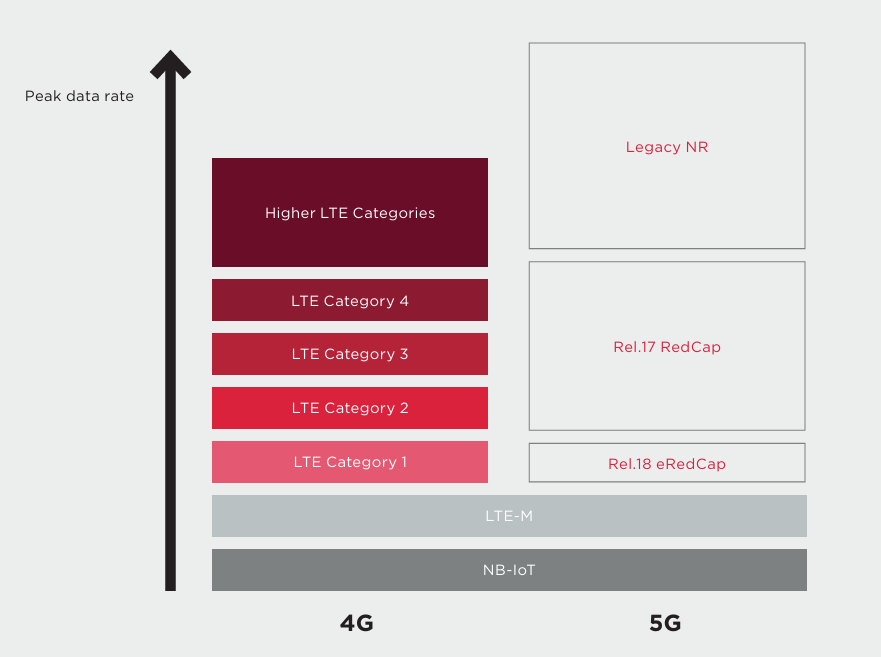
2G and 3G Sunset is Not An Easy step for MNO
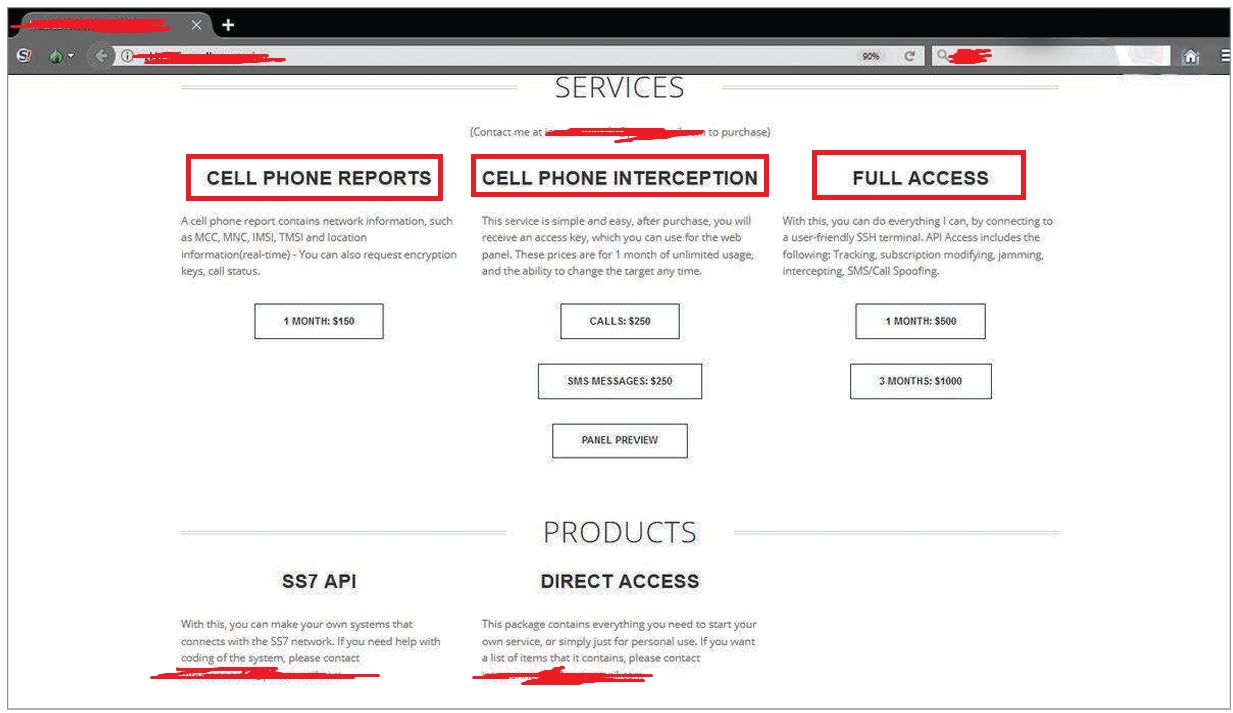
Common SS7 Attacks through Data Leakage
? The SS7 network was once considered an environment that controls users’ access to network-based content and services, allowing licensed mobile operators to access customer data. However, many unlicensed entities […]
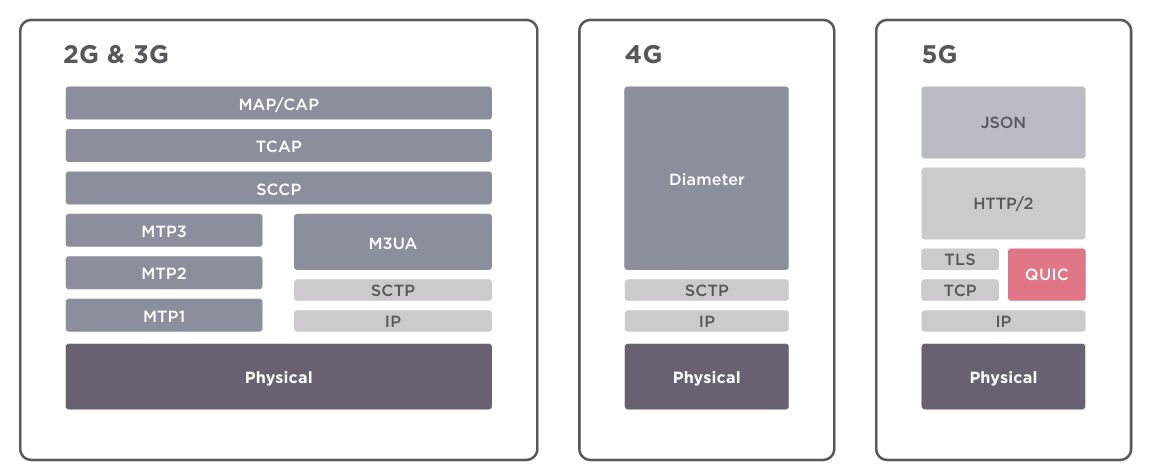
Evolution of Network Core Signaling protocols
?Previous generations relied on the SS7 and Diameter protocols. The 5G network core is built on well-known Internet protocols such as HTTP and TLS. ? Security threats associated with 3G […]
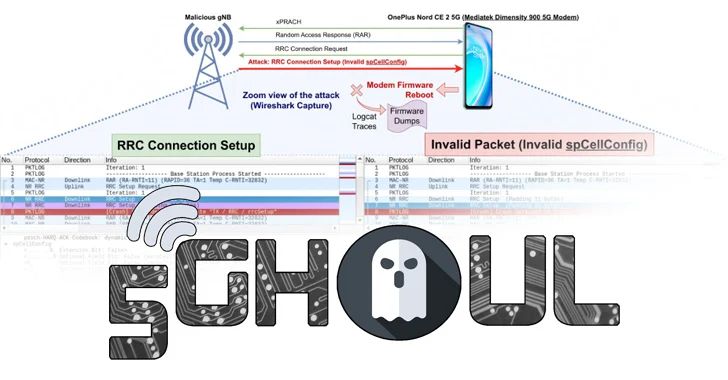
What is 5GHoul in 5G Security World?
?5Ghoul is the name given to a set of 14 newly discovered vulnerabilities in Qualcomm and MediaTek 5G modems, disclosed in December 2023 by researchers from the Singapore University of […]
Some Interesting Statistics about 2G
? The first 2G mobile network in the world was launched in Finland in 1991, marking the first digital mobile network and replacing analogue 1G systems. ? The Nokia 1100, […]
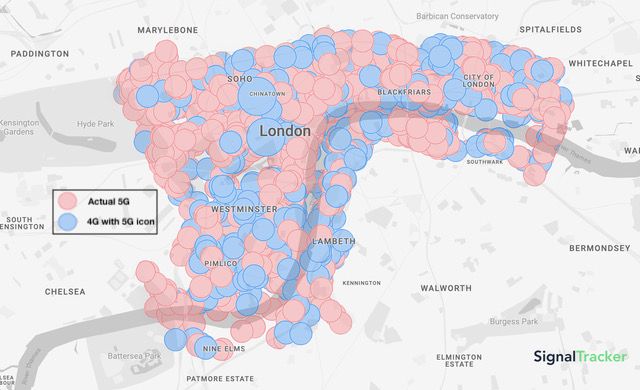
Does the 5G icon on the phone indicate that it is using 5G while it’s 4G?
The Question is Actual 5G or Icon-only 5G! Recently, a new mobile app called SignalTracker showed that nearly 40% of 5G connections are actually 4G, as per PolicyTracker. Actual 5G […]
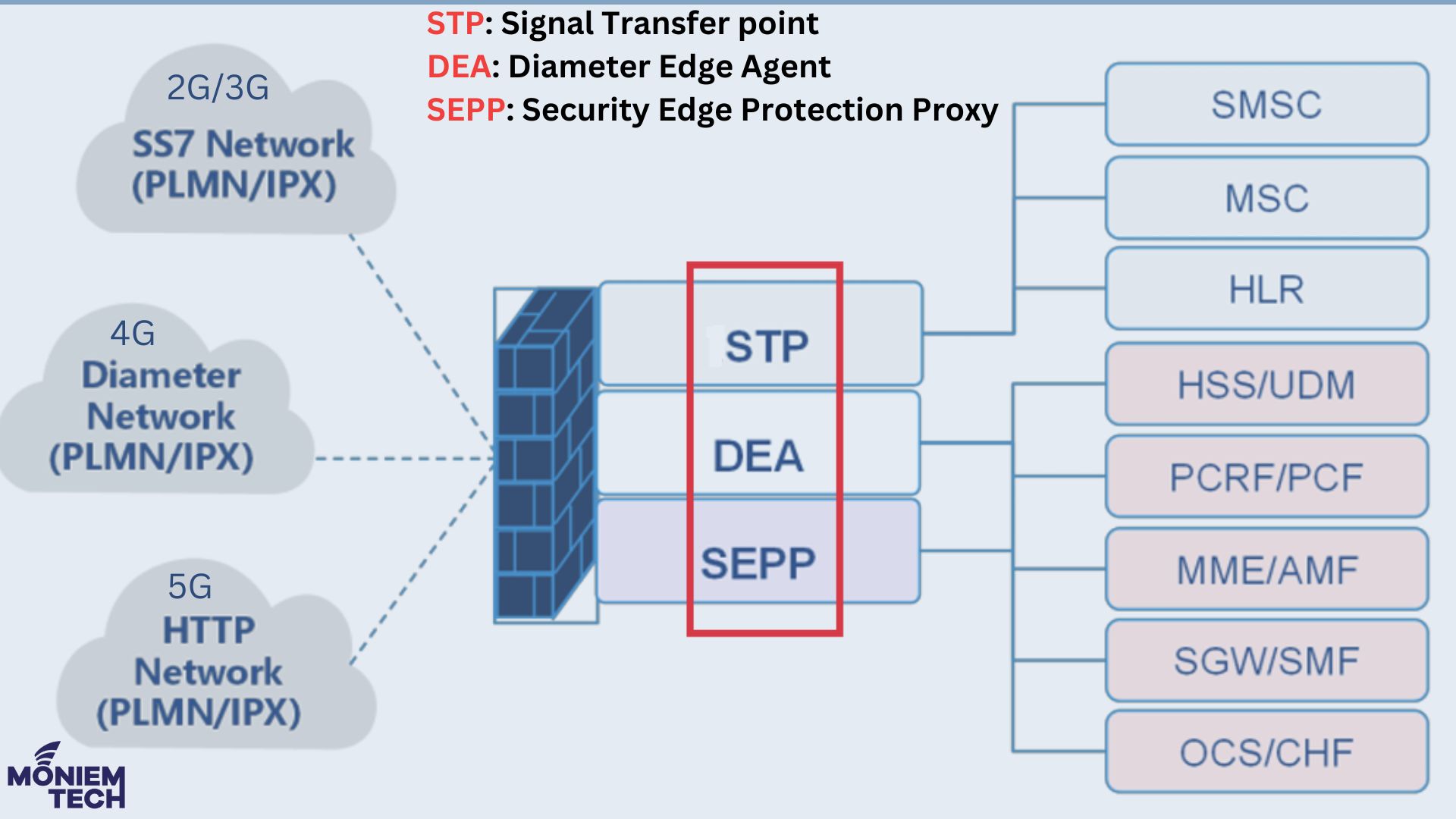
Network Signaling and Firewall Journey from 2G to 5G
The journey started with 2G and 3G, where Voice was the leading service, and the main protocols were SS7 and SIGTRAN (Signaling Transport). At this time, the primary Firewalls are: […]
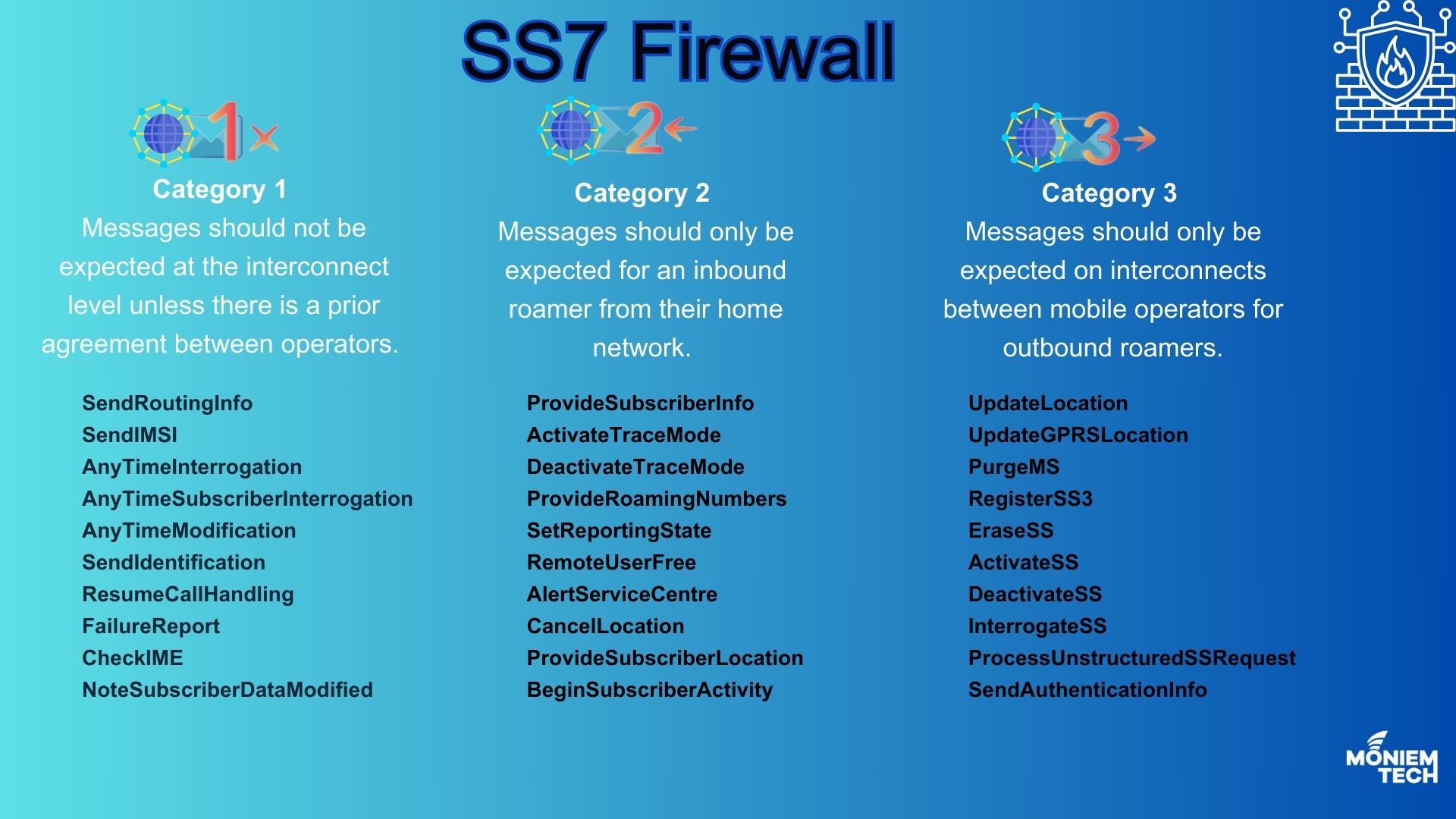
What is the importance of SS7 Firewall?
SS7 was never designed with security in mind, so it has always been open to internal and external threats. S7 Firewall is a smart, rules-based system that can monitor, create […]
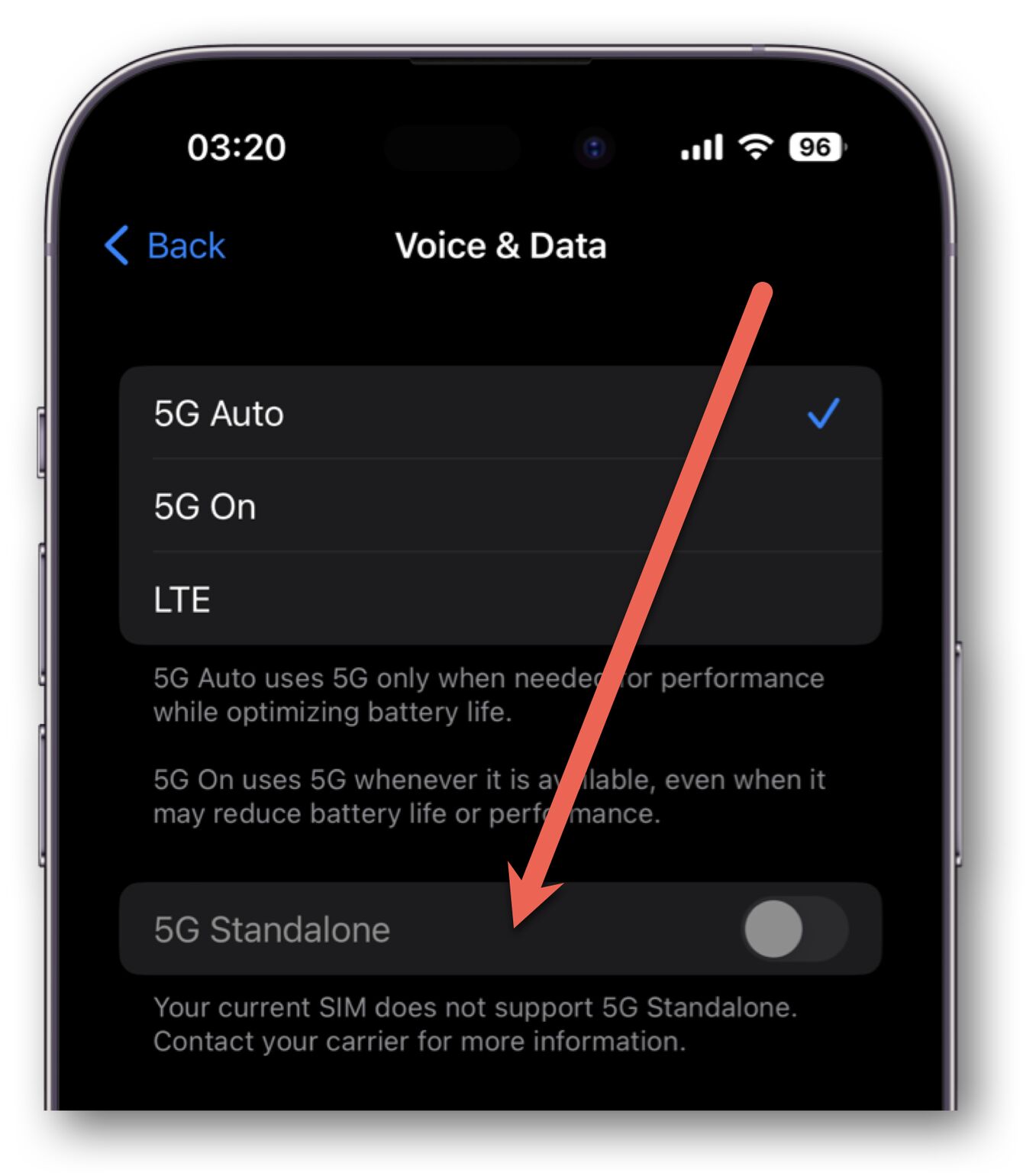
5G SA (Standalone) Status in 2025
When I started my 5G Journey in 2017, I first explored the 5G network versions: 5G NSA (Non-Standalone) and 5G SA (Standalone). Most MNOs envision starting with 5G NSA and […]
VoWiFi vs Cellular: Which is better?
Voice calls remain one of the most vital means of communication in both personal and professional spheres. They provide instant and direct interaction, allowing for clear and immediate conversations. Unlike […]
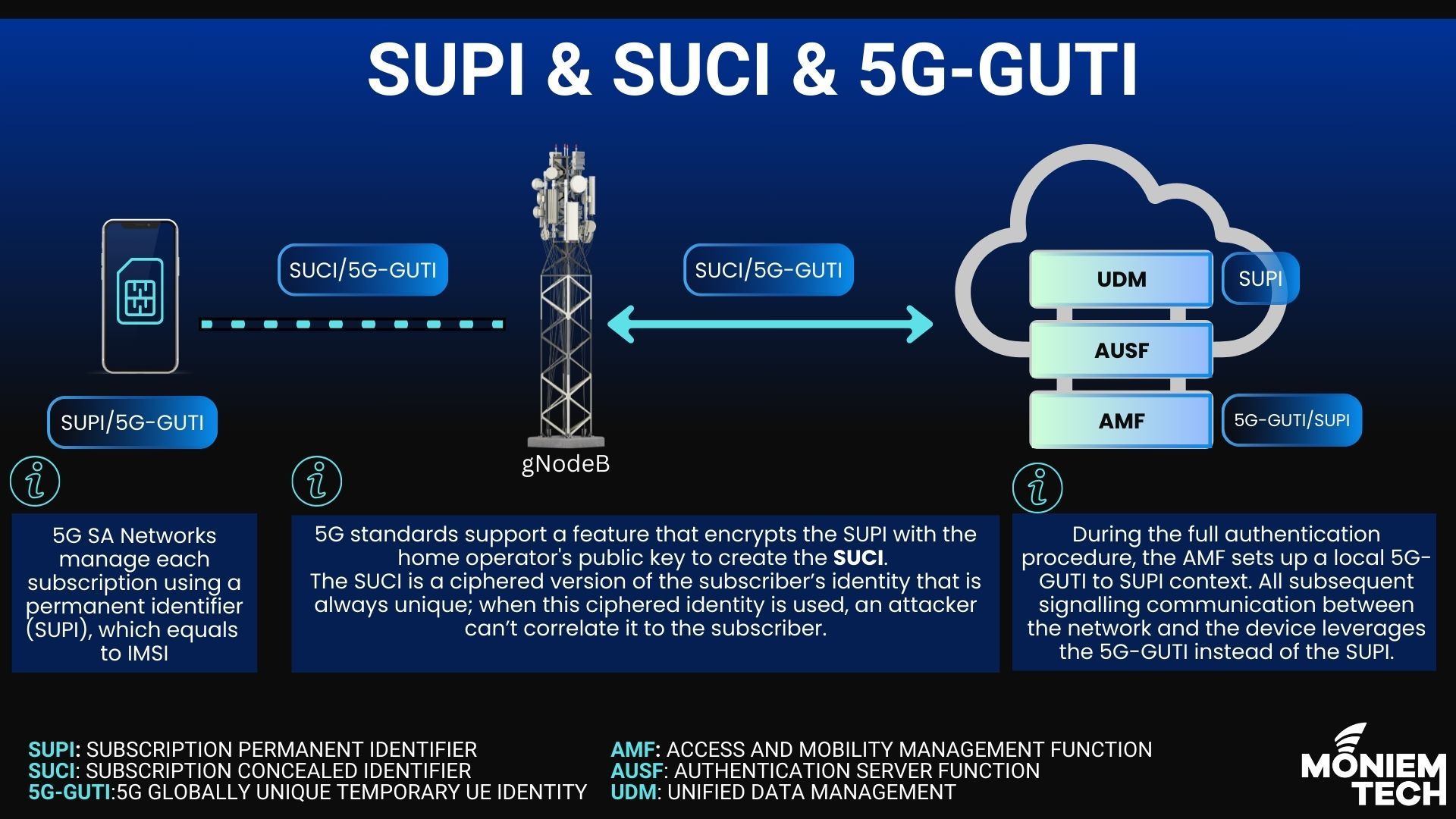
What is the difference between SUPI, SUCI and 5G-GUTI in 5G SA Networks?
Currently, I see some confusion regarding 5G identification and the purpose of each one, such as which network node generates them and the subscriber’s role. I summarized the 3 identifications […]
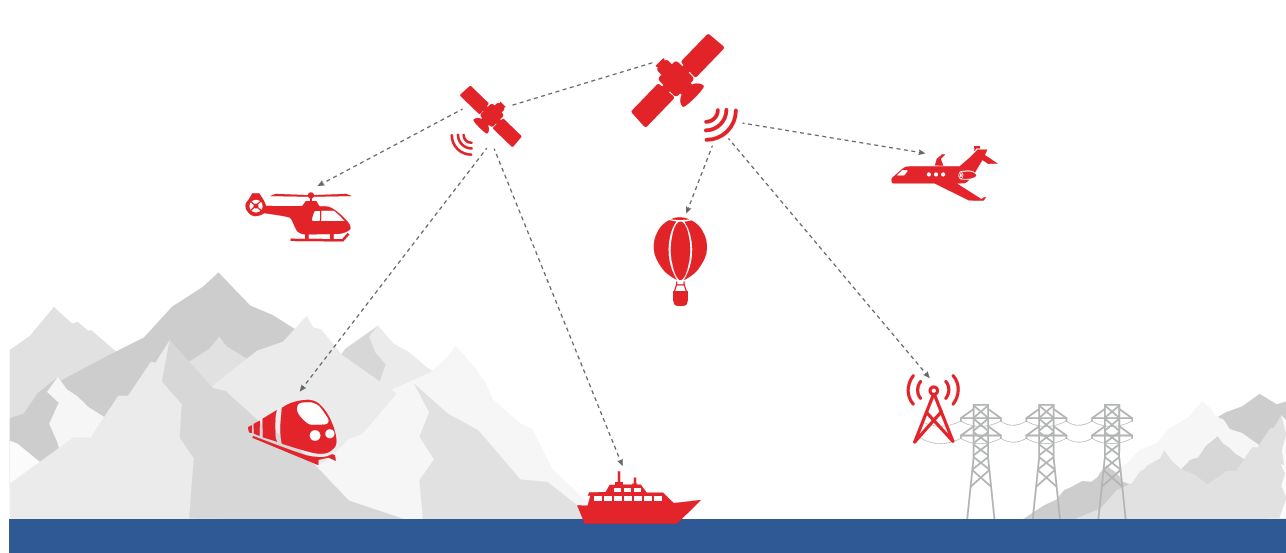
What is NTN (Non-Terrestrial Networks)?
What is NTN? NTN refers to a communication system that transmits data through non-terrestrial platforms, such as satellites, high-altitude platforms (HAPs), drones, or other aerial technologies, instead of relying on […]
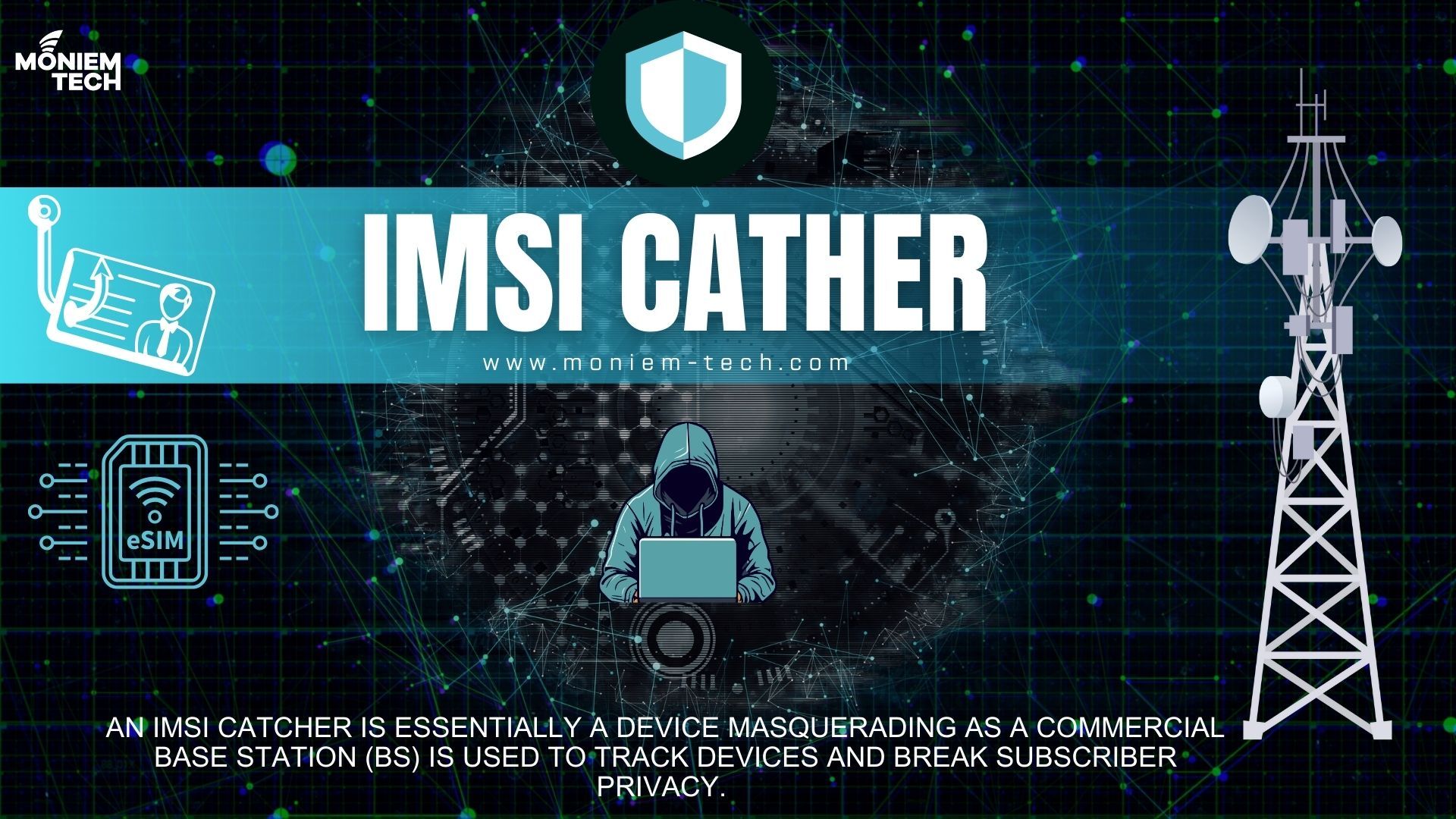
What is an IMSI catcher?
The IMSI is a unique number assigned to every mobile subscriber, which is stored on the SIM card and used by mobile networks to identify and authenticate users. An IMSI […]
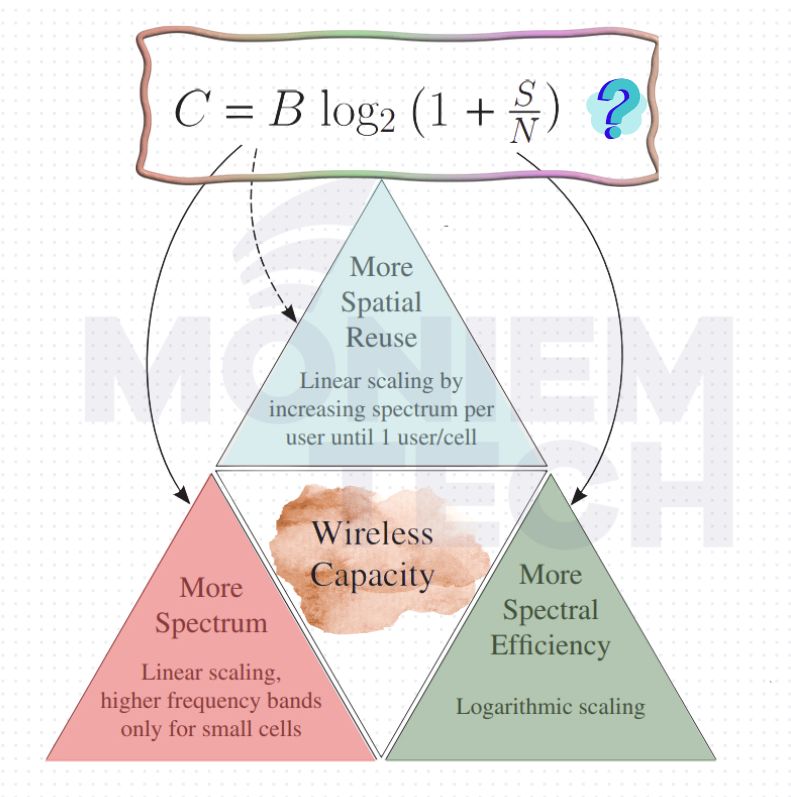
How Do We Increase The Wireless System Capacity?
The Answer is in “Shannon–Hartley theorem“ Shannon–Hartley theorem tells the maximum rate at which information can be transmitted over a communications channel of a specified bandwidth in the presence of […]
SMS Home Routing Role in SS7 Security
Before discussing why we need an SMS Router, let’s understand the 1st figure when the mobile device sends SMS to another Mobile through the normal scenario without an SMS Router […]
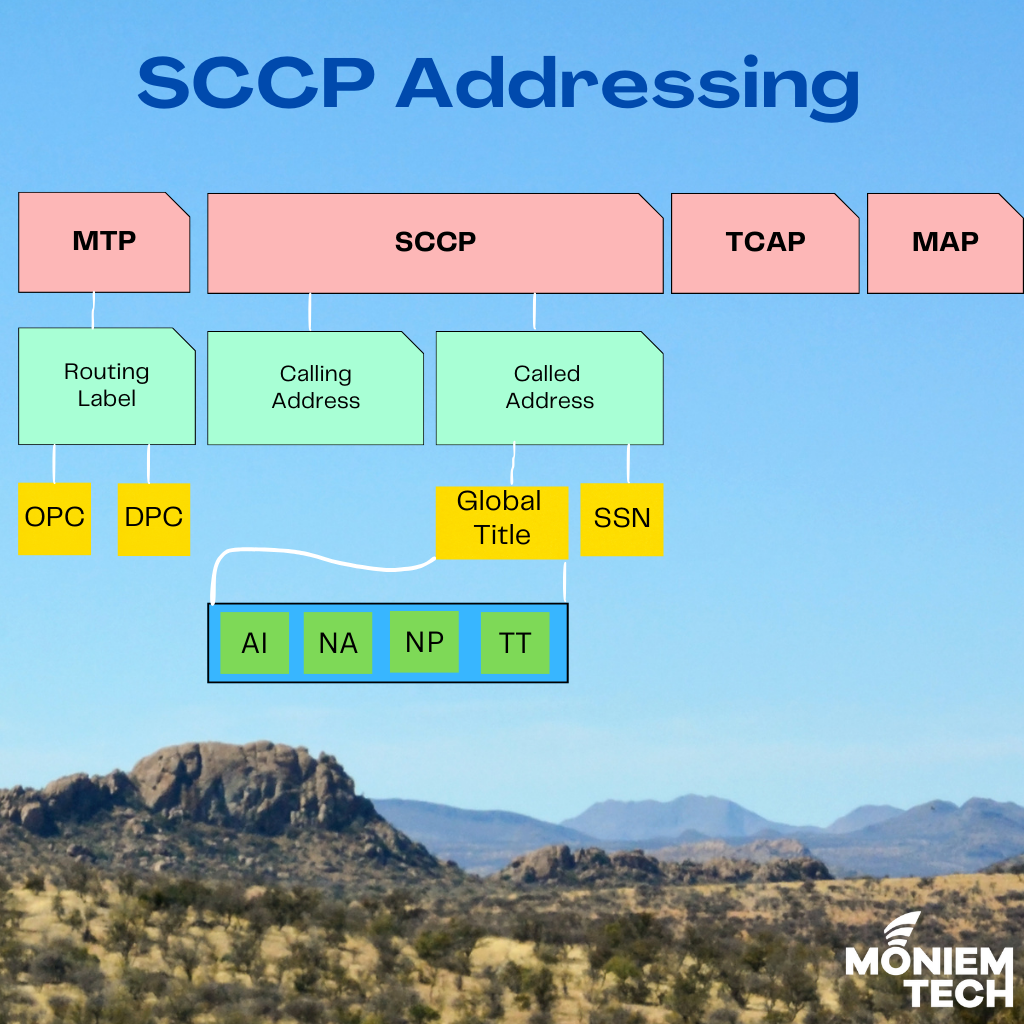
What is GT (Global Title)? Why Do We Need It?
Signalling System No. 7 (SS7) is an old signaling protocol, but all mobile network operators still use it to exchange information between nodes in the network nationally and internationally. Security and […]
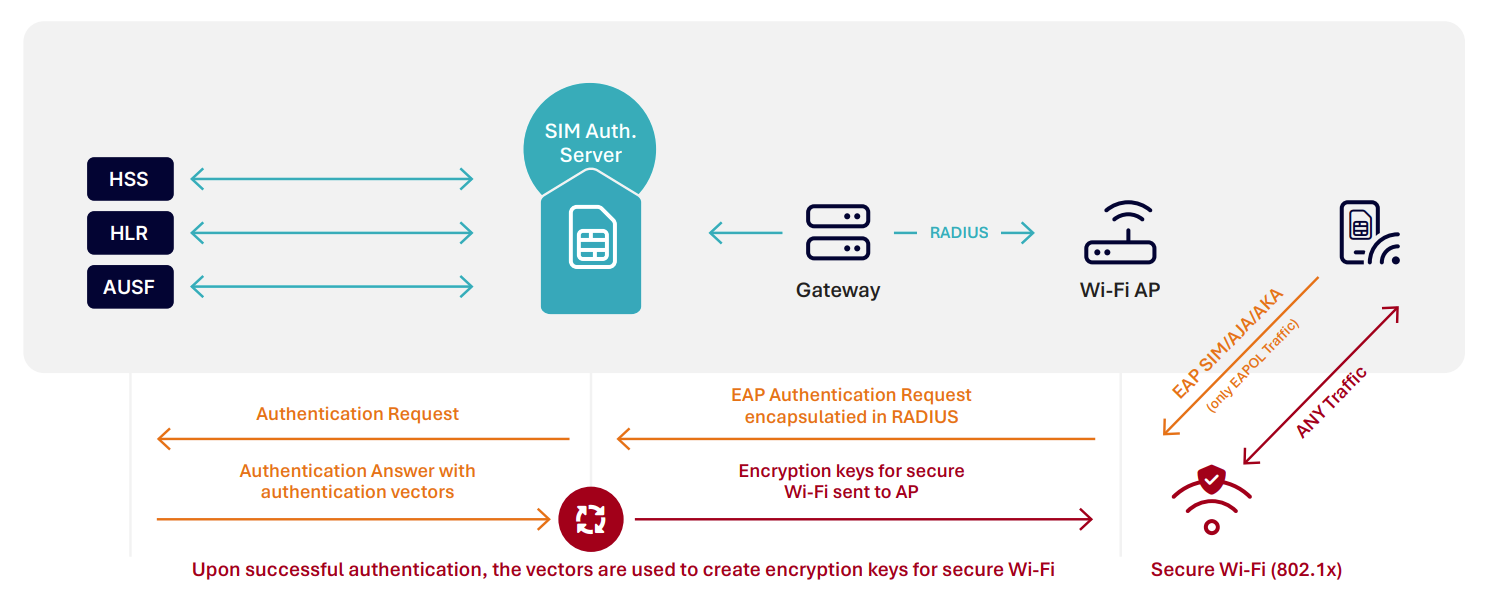
The Convergence between Mobile Technologies and Wi-Fi
In 2021, I wrote this article about 5G and Wifi 6 convergence, and then in 2023, I addressed this big question: Are 5G and WiFi6E Friends or Competitors? Conclusion of […]
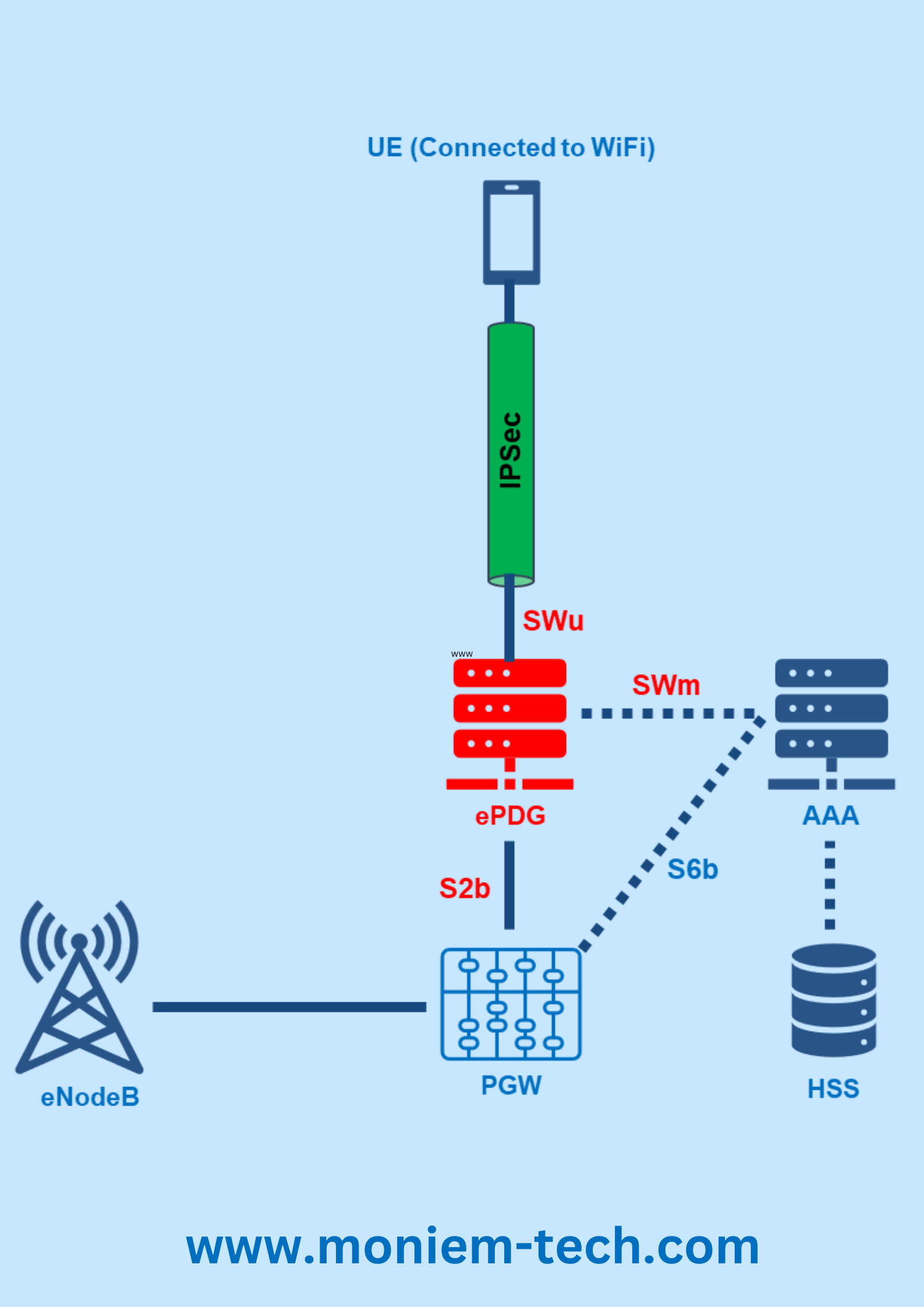
What is The Evolved Packet Data Gateway (ePDG) ?
Before discussing ePDG in more detail, let’s explain why we need it. The answer is to connect between 3GPP networks (LTE/5G core) and non-3GPP networks (Wi-Fi). But, why do we […]
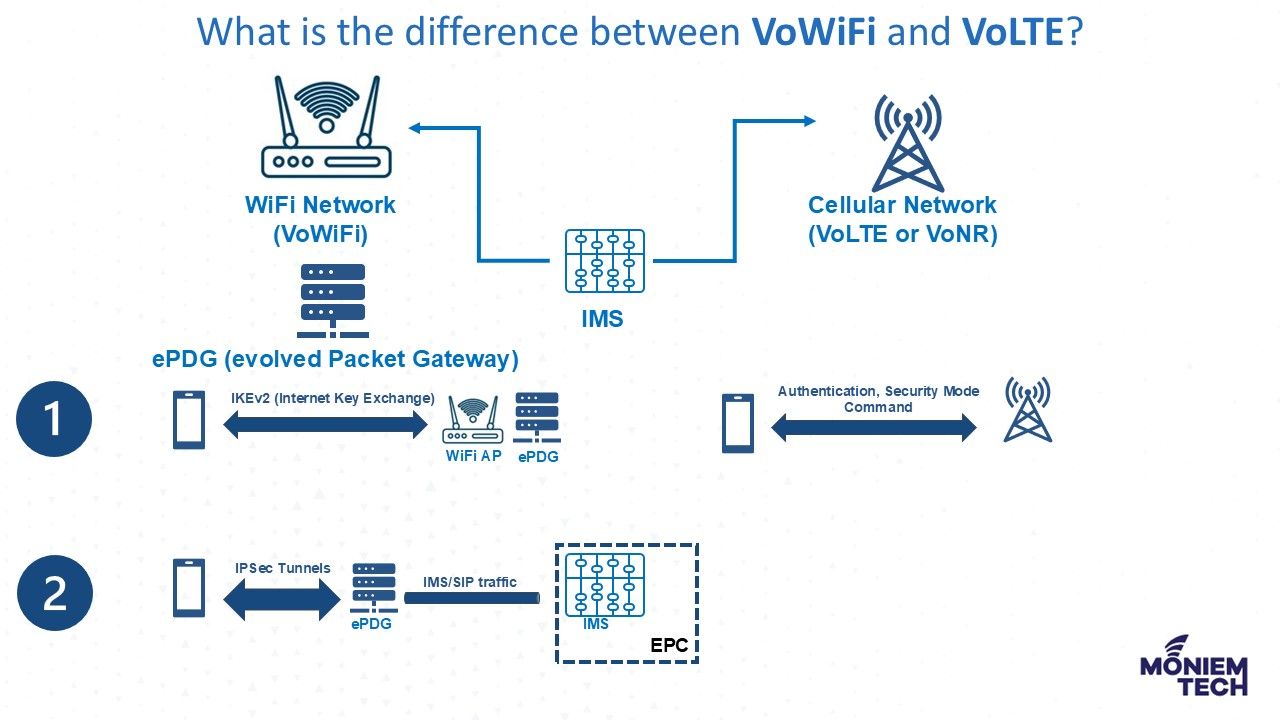
What is the difference between VoWiFi and VoLTE?
VoWiFi, or Voice Over WiFi, is an IMS Voice Call made through WiFi without using a cellular network like LTE or NR. It is similar to VoLTE (Voice over LTE) […]
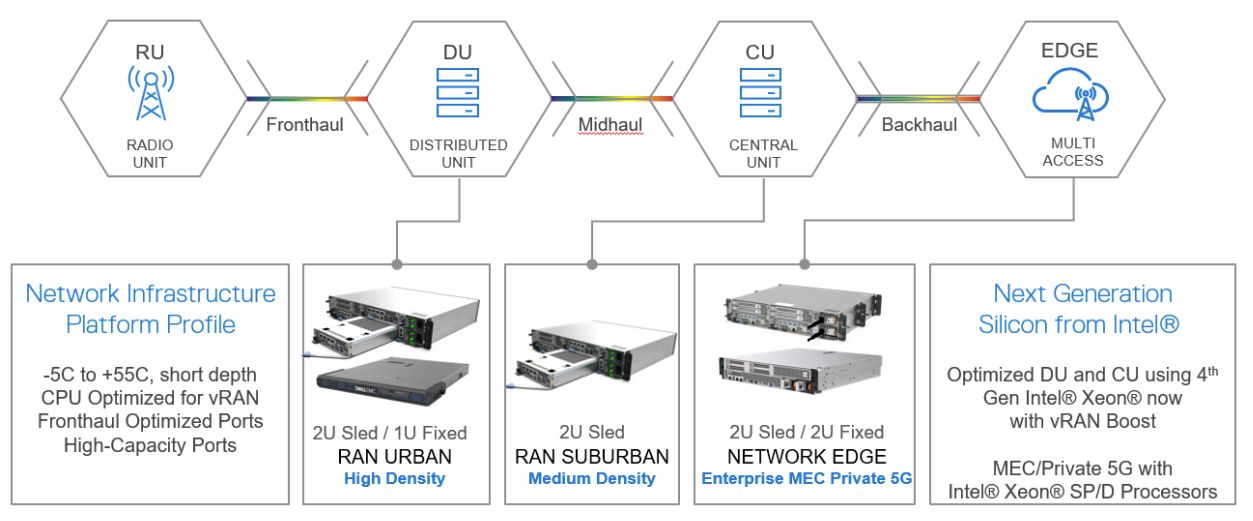
Radio Access Network (RAN) is Now Open
Thanks to open standard consortiums such as the ORANAlliance, an open ecosystem of disaggregated and interchangeable components is now available. Network equipment providers are now able to commoditize hardware and […]
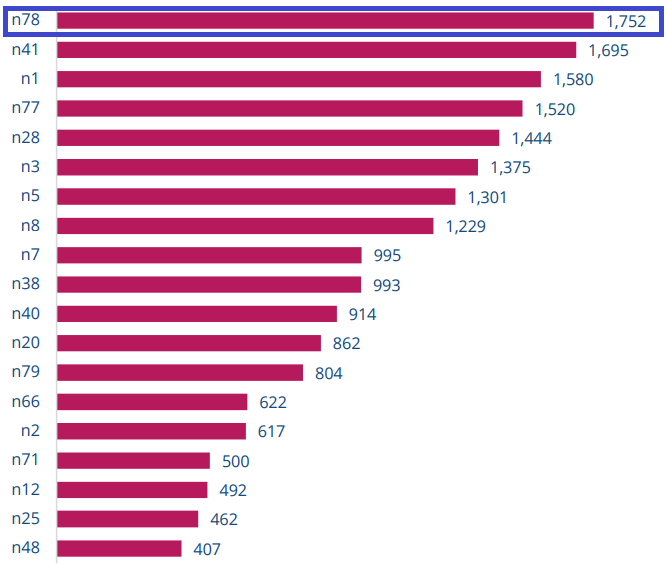
5G SA (Stand-Alone) doesn’t mean mmWave Spectrum
Recently, I read many discussions around 5G SA mainly really on mmWave spectrum which is Unique to 5G technology, as mmWave or millimeter Wave is the most capacity spectrum band […]
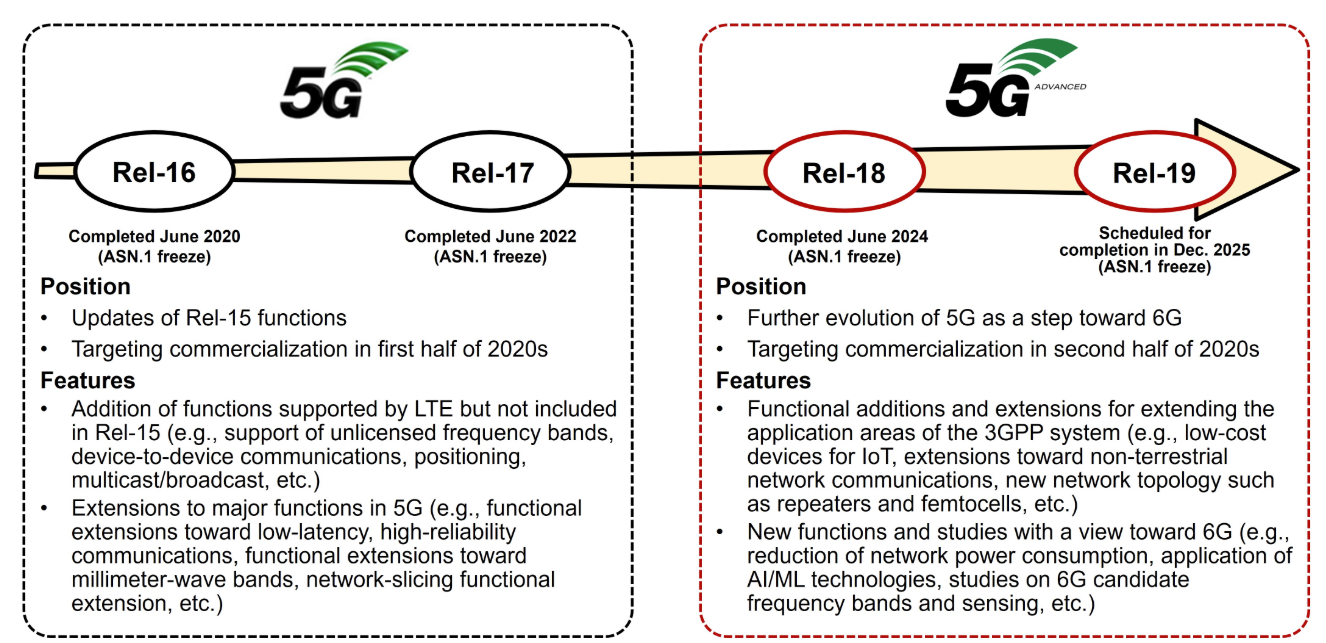
Towards 5G Advanced and Release 18
5G Release 15 was the first release of 5G and its specification was completed in June 2018. Release 16/17 specifications were drafted as extensions to 5G Release 15 with its […]
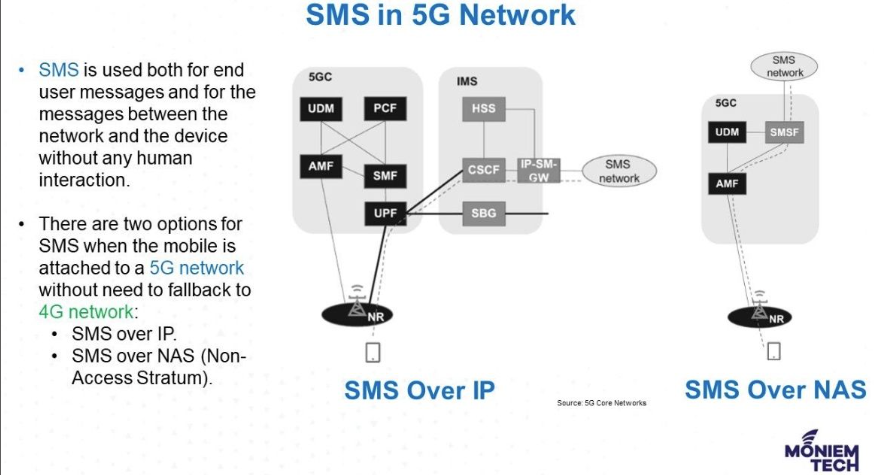
SMS Overview in 5G Network
SMS stands for Short Message Service and is used both for end-user messages and between the network and the device without any human interaction. There are two options for SMS when […]
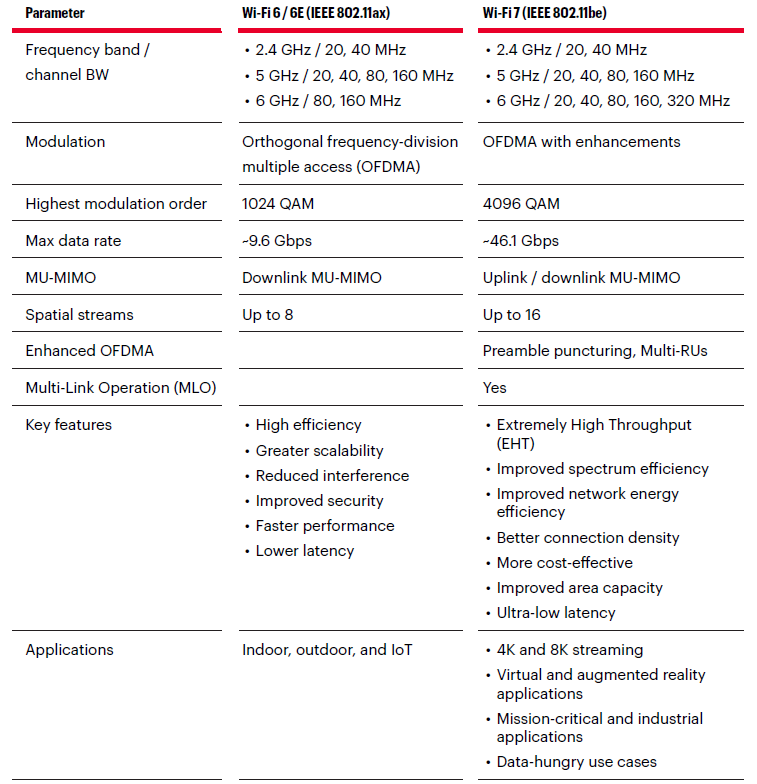
What is the difference between WiFi6 and WiFi7?
Wi-Fi 7 (IEEE 802.11be), the successor to Wi-Fi 6, introduces the 6GHz frequency band, doubling the maximum frequency bandwidth from 160MHz to 320MHz. It allows the 16×16 MIMO configuration and […]
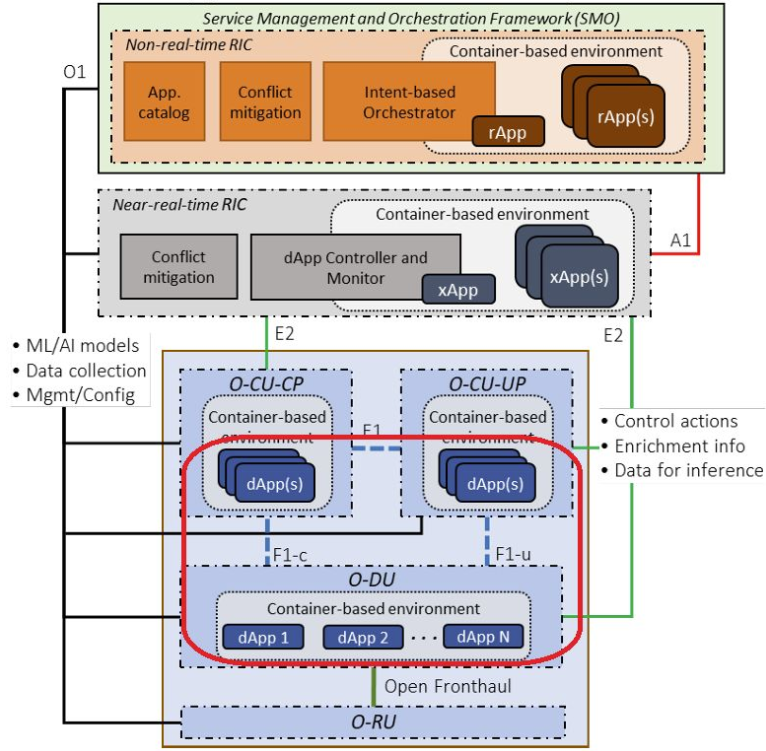
What are dApps in ORAN Architecture?
As you may know, there are two main components to RIC or RAN Intelligent Controllers (RICs) as below: Closed-loop control running at time scales of 10ms to 1s (Near-Real-Time, or […]
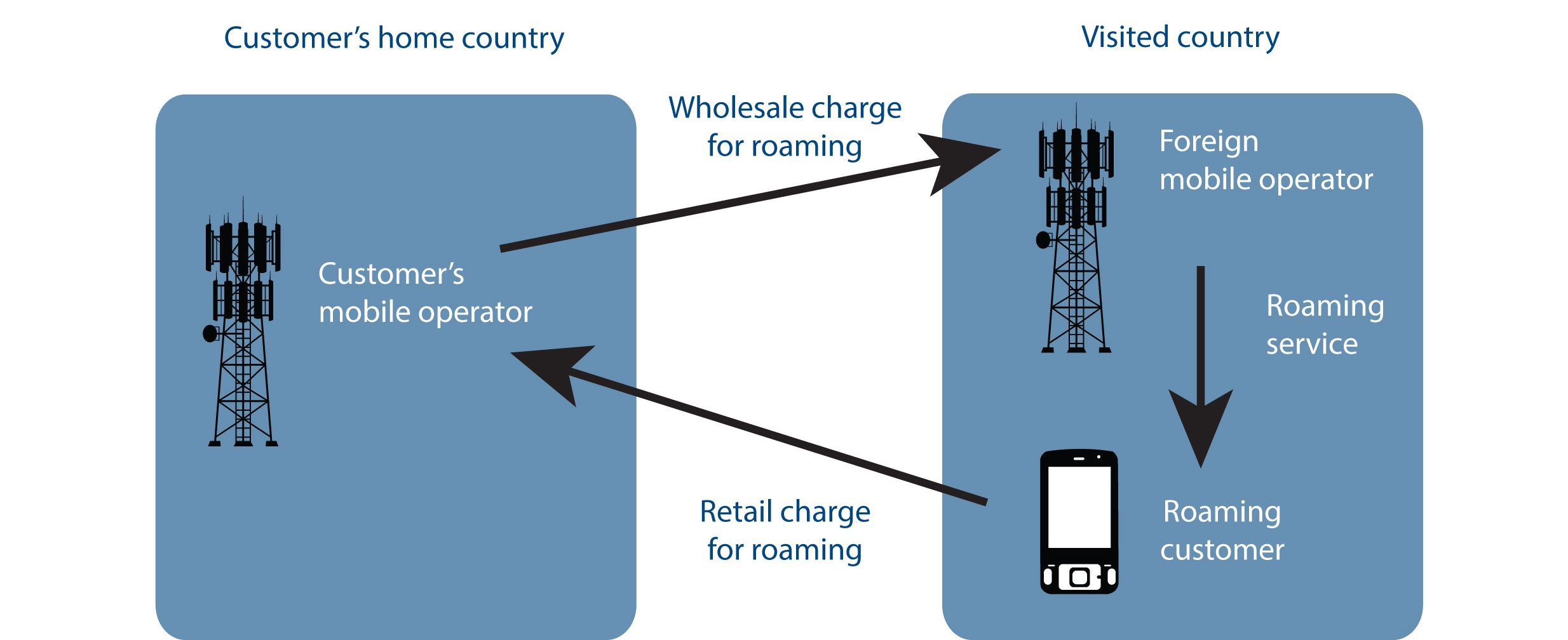
How Does International Roaming Billing Work? Wholesale/Retail
When going to the Roaming topic, sometimes you hear words like Wholesale Charge and Retail Charge. So What is the difference between them? The Wholesale Charge determines how much roaming costs […]
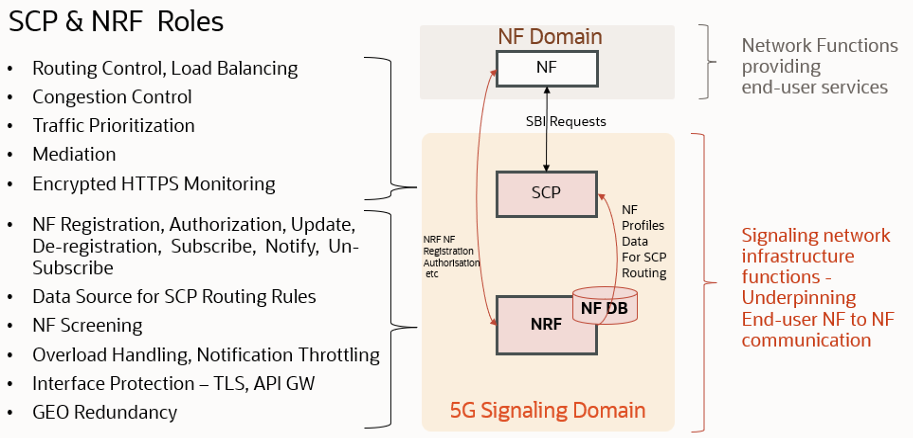
Everything You Need To Know About NRF and SCP in The 5G Core
5G standalone (SA) operation, using a new core network, is foundational to mobile operators seeking to offer advanced 5G services with a low cost of production. 5G Service-based architecture (SBA) […]
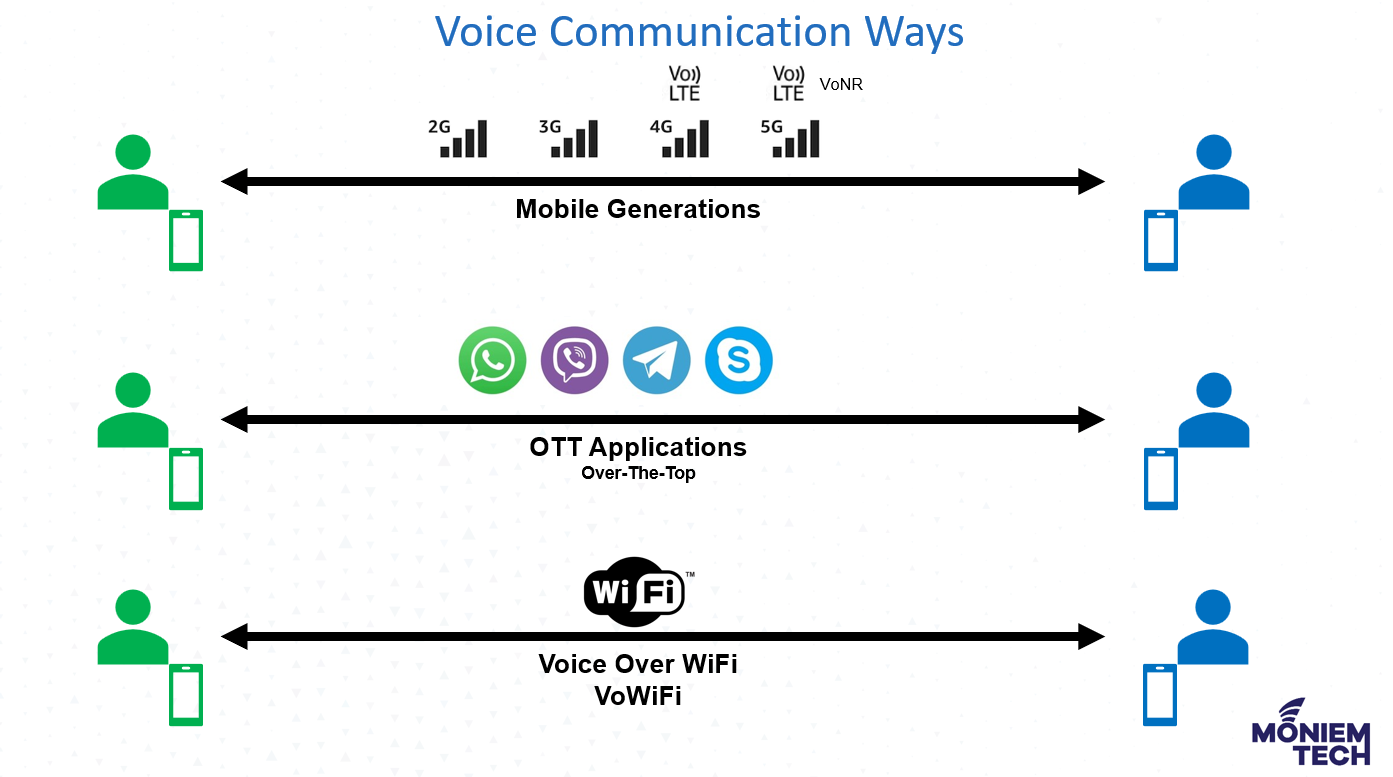
Should VoWiFi Be A Good Solution For Indoors?
As per the Mobile Data Moves Indoors report, 80% of Mobile Traffic comes from Indoor locations. This means that good coverage and QoS in the building/indoors are a MUST. Let’s […]
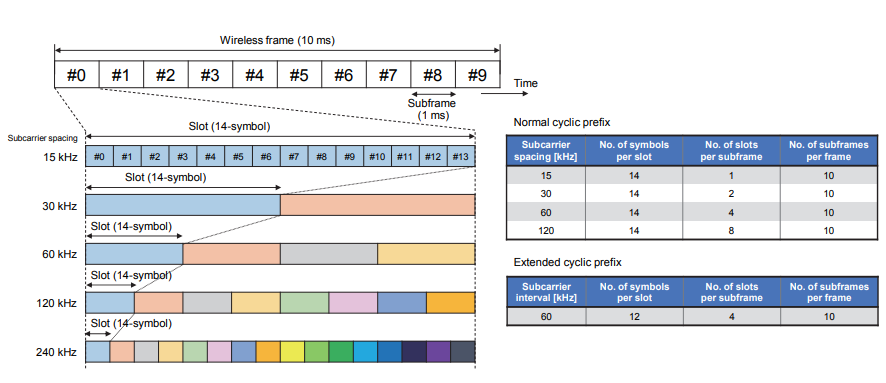
Frame Structure for 5G New Radio Release 15
5G NR modulation and waveforms have some commonalities with LTE but aim to have much higher spectral efficiency. NR supports QPSK, 16 QAM, and 256 QAM with the same constellation […]
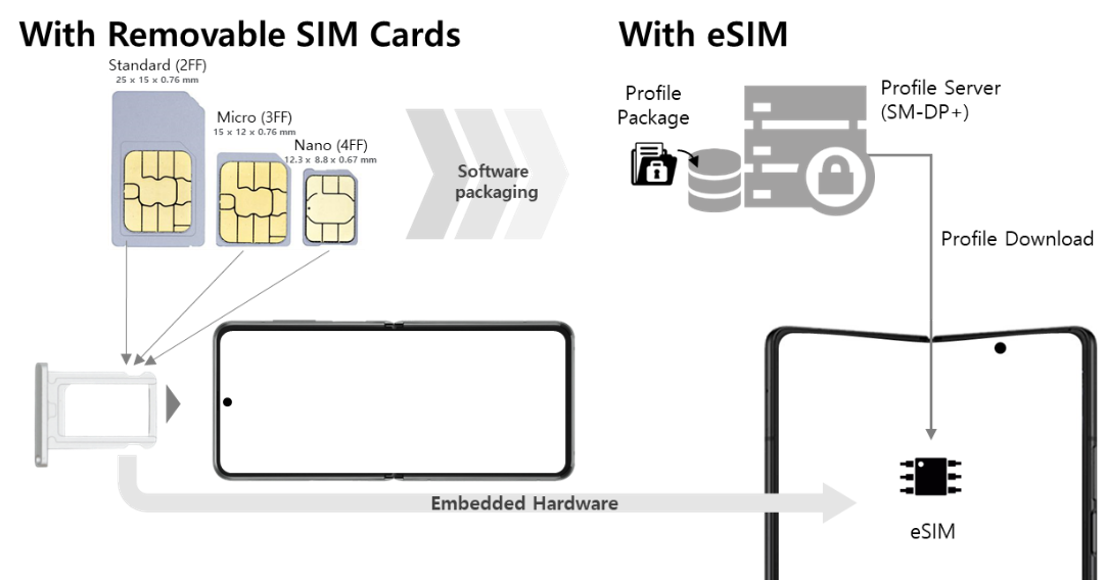
What Are SM-DP and SM-DP+ Address in eSIM?
First, let’s understand an overview of eSIM Technology. eSIM(embedded SIM): The embedded SIM (also called eSIM or eUICC) is a new secure element designed to remotely manage multiple mobile network […]