
Recently, I have read an interesting white paper from Anritsu, which covered trends in wireless frequency band allocation for 5G-A and 6G. The most recent WRC was held in Dubai, […]
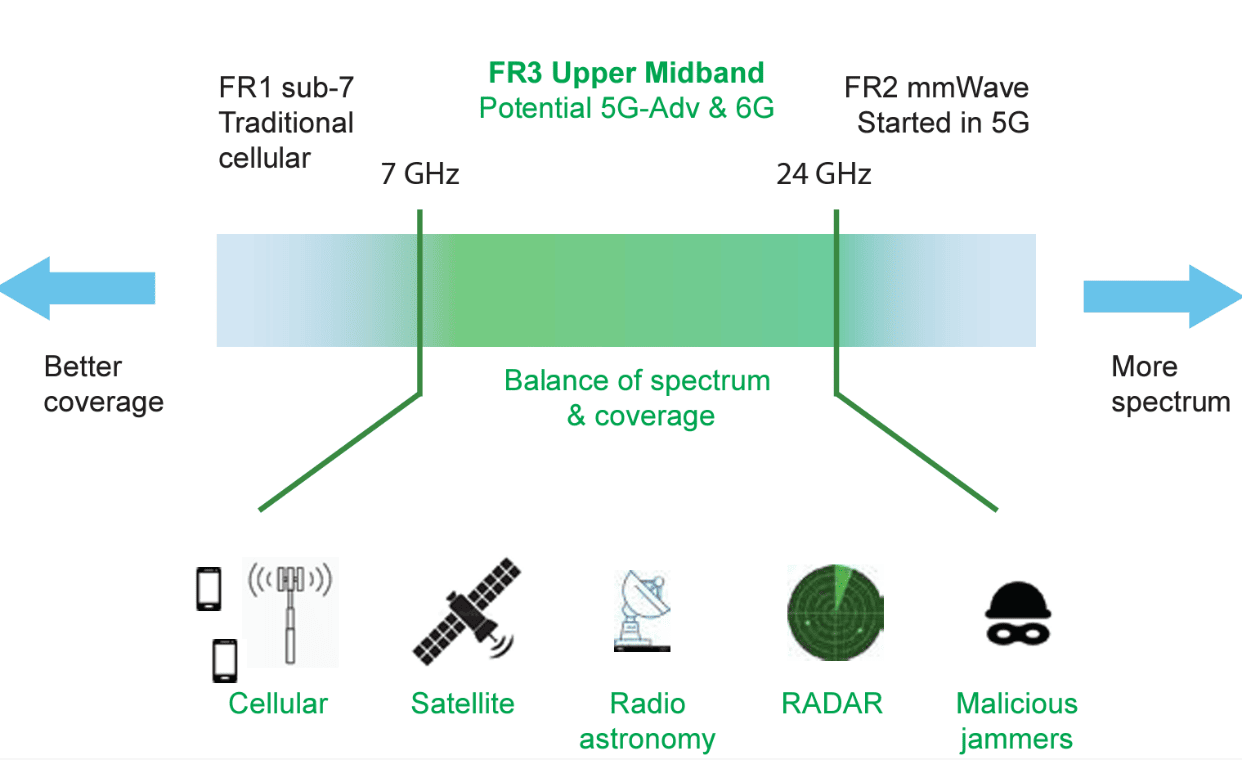
Frequency Bands FR3 or Upper Mid-Band
Is Microwave Oven Safe?
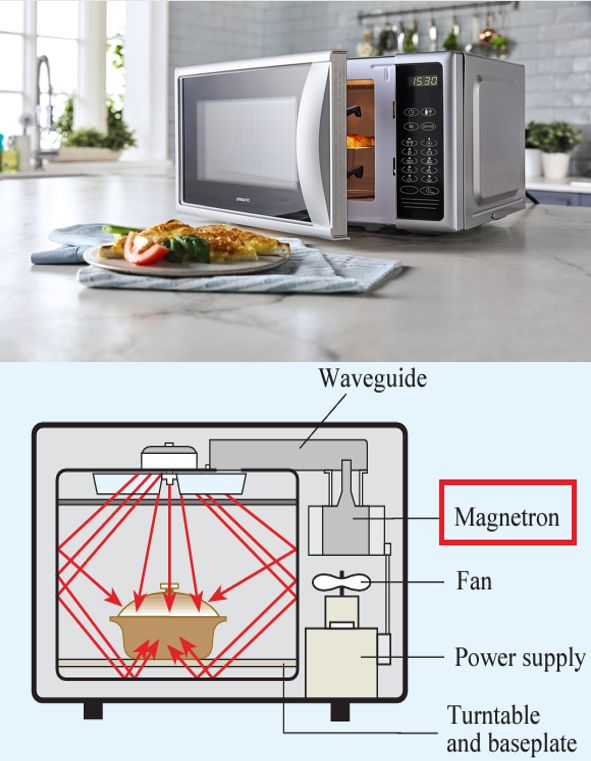
If you’re a Telecom Engineer and Hungry, this article is for you 🙂 During my discussion with my non-telecom friend, he was asking about the Telecom tower’s radiation and how […]
Why 100MHz in 5G is more efficient than 100MHz in LTE?
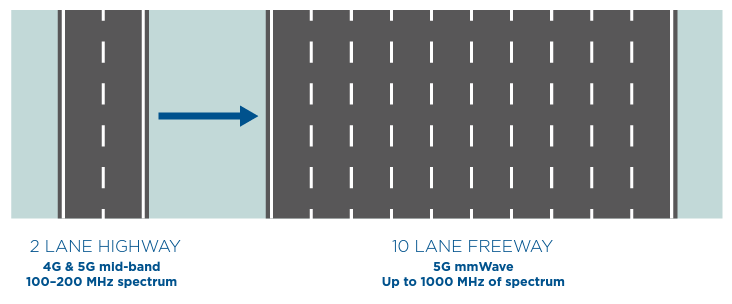
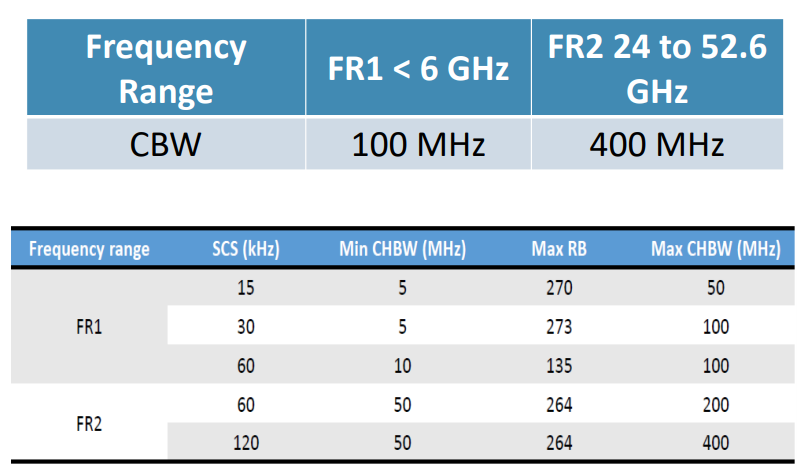
5G defines the use of wide radio channels. Whereas 4G is limited to a maximum radio channel size of 20 MHz, 5G standards specify the use of radio channels up […]
5G mmWave Spectrum Notes
All notes you should know about 5G mmWave Band. ? 5G mmWave refers to the higher range of radio frequencies (above about 24 GHz) supported by 5G. Also, it’s called […]
Why is C-Band Spectrum Important for 5G?
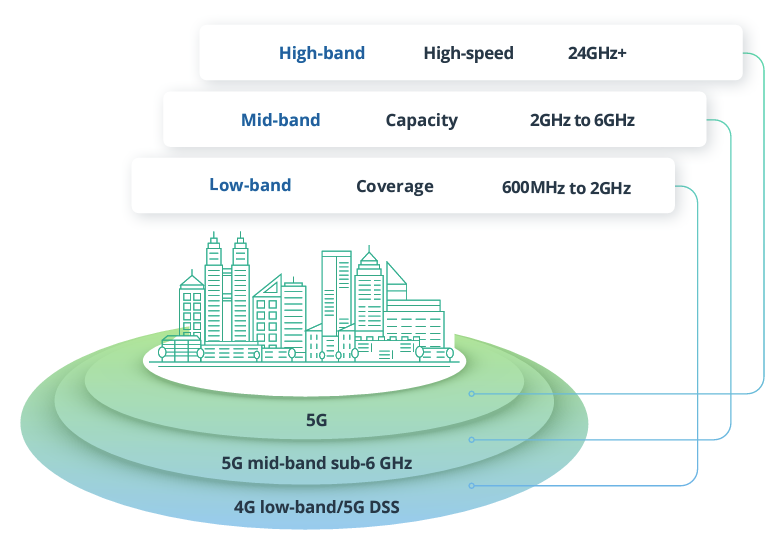
Not all radio spectrums are equal. Sub 1GHz offers the best coverage profile; however, the amount of low band spectrum available is limited. Frequency range two (FR2), i.e. greater than […]
What is DSS or Dynamic Spectrum Sharing – Part 2
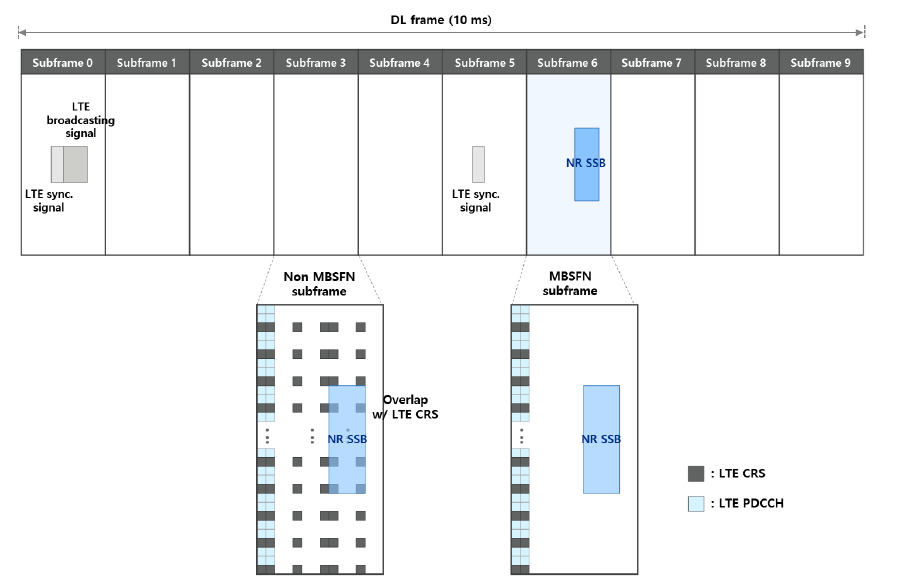
As we discussed in the last article, let’s Recap again What is DSS and why we need to use the DSS feature in 5G Roadmap deployment. Due to the occupation […]
What is DSS or Dynamic Spectrum Sharing – Part 1
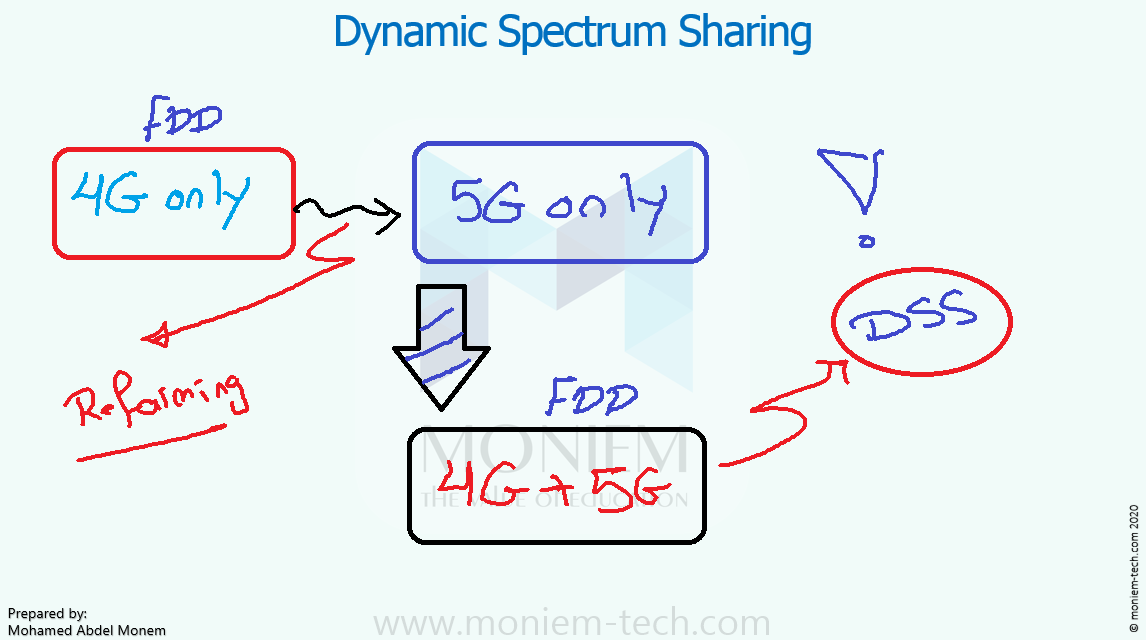
Before start talking about DSS or Dynamic Spectrum Sharing, let’s address the problem first and how DSS can solve it. As we know that 5G can support newly released frequency […]
5G Commercial Network in Gulf Countries
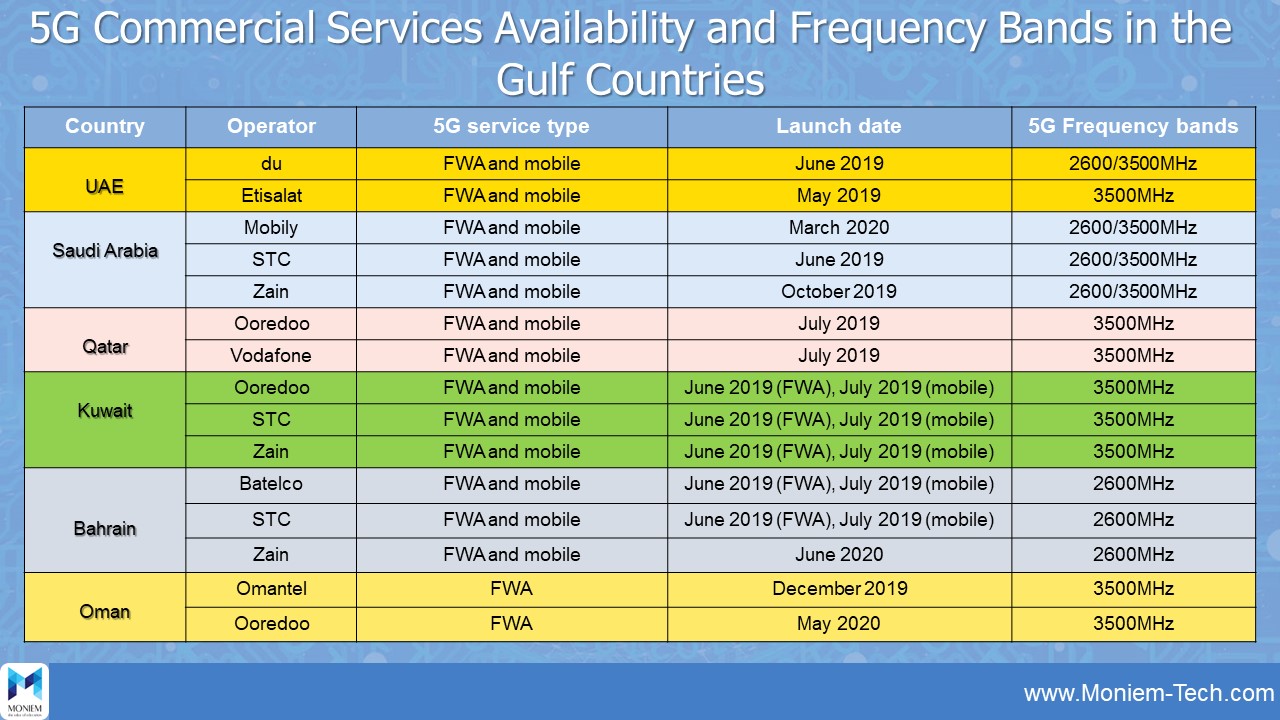
The Gulf Countries (UAE, Saudi Arabia, Qatar, Kuwait, Bahrain, and Oman) are the front runner in the 5G Race. They started to think of 5G as early as Mid-2019. Use […]
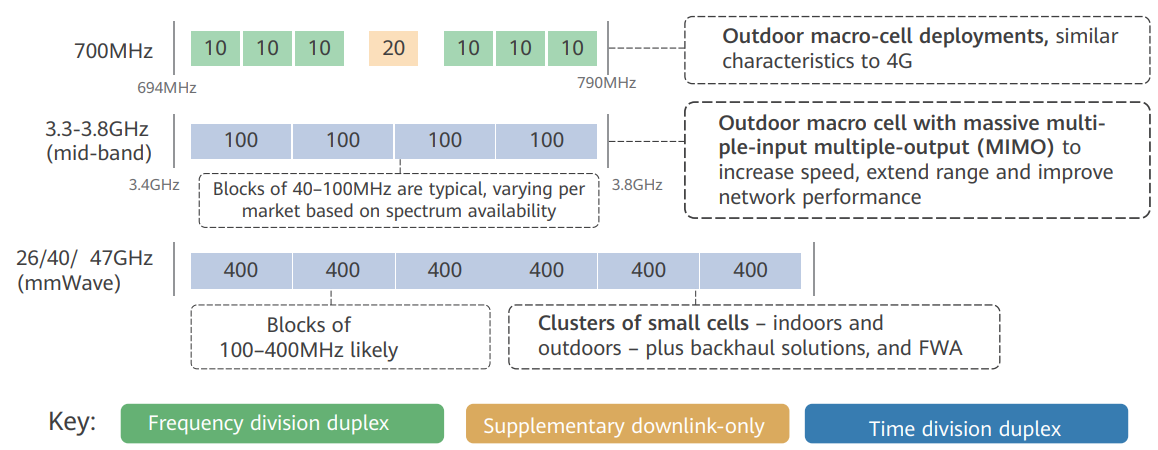
5G Spectrum Bands to Address New Use Cases
The ITU-R IMT-2020 (5G) Vision includes three usage scenarios: eMBB, mMTC, and uRLLC. It also specifies the key capabilities of IMT-2020 which represent great improvements in comparison with the previous […]
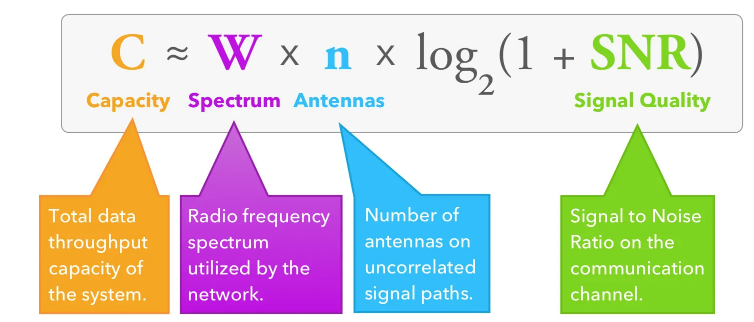
What is Shannon’s Law?
To understand how 5G achieves the higher data rates, we need to dig into Shannon’s Law to see how engineers have tackled each of the limiting factors from previous generations. […]
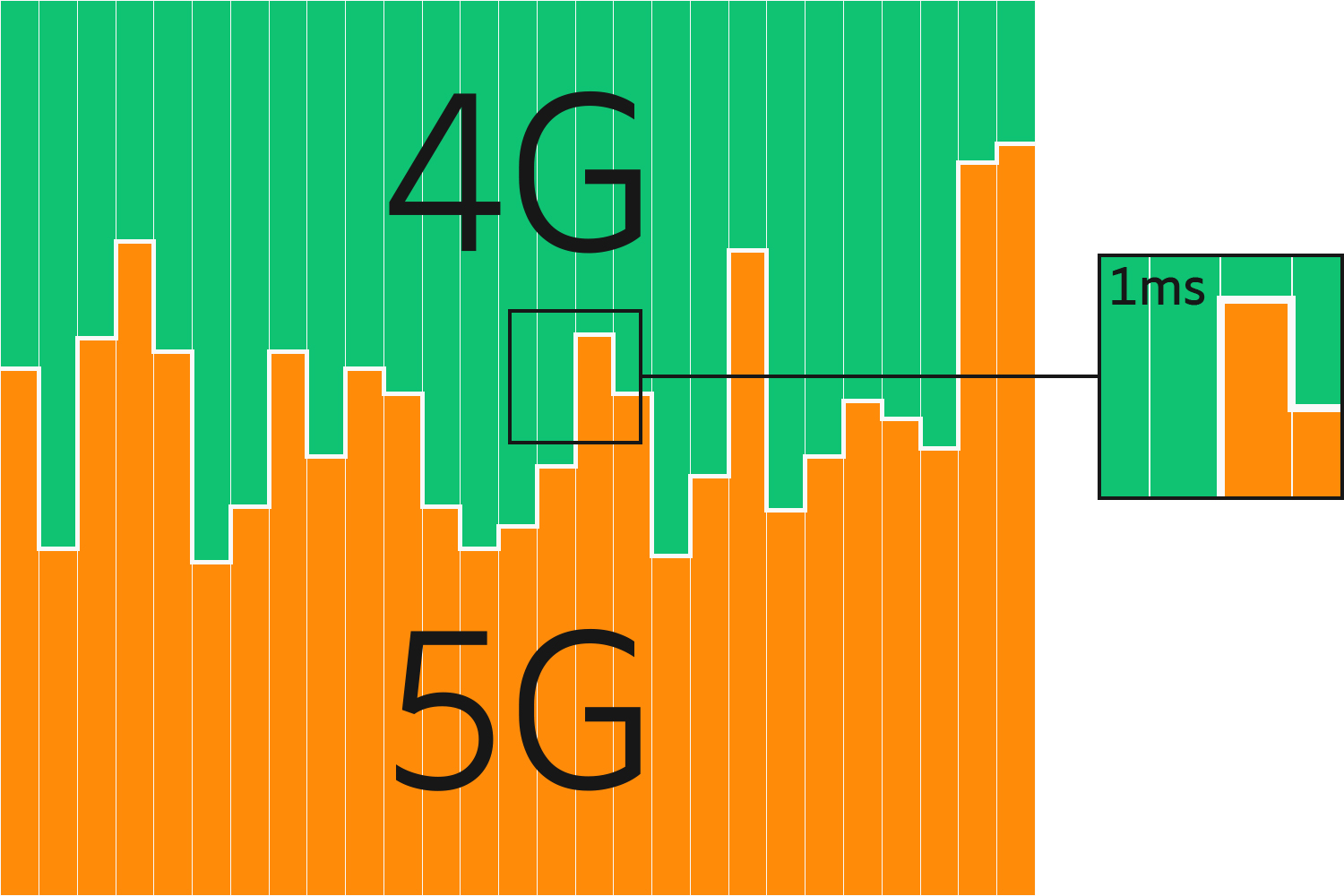
Why do MNOs need to shift to DSS?
DSS: Dynamic Spectrum Sharing DSS technology has been introduced by the industry to enable 5G services to be delivered in LTE networks to accelerate the availability of 5G services. Traditionally […]