
The RAN has been considered the most expensive part of network deployment. RAN consists of around 60-70% of the network Capex. The Open RAN (Open Radio Access Network (RAN) Journey […]

Open RAN Changes Your RAN Mindset!
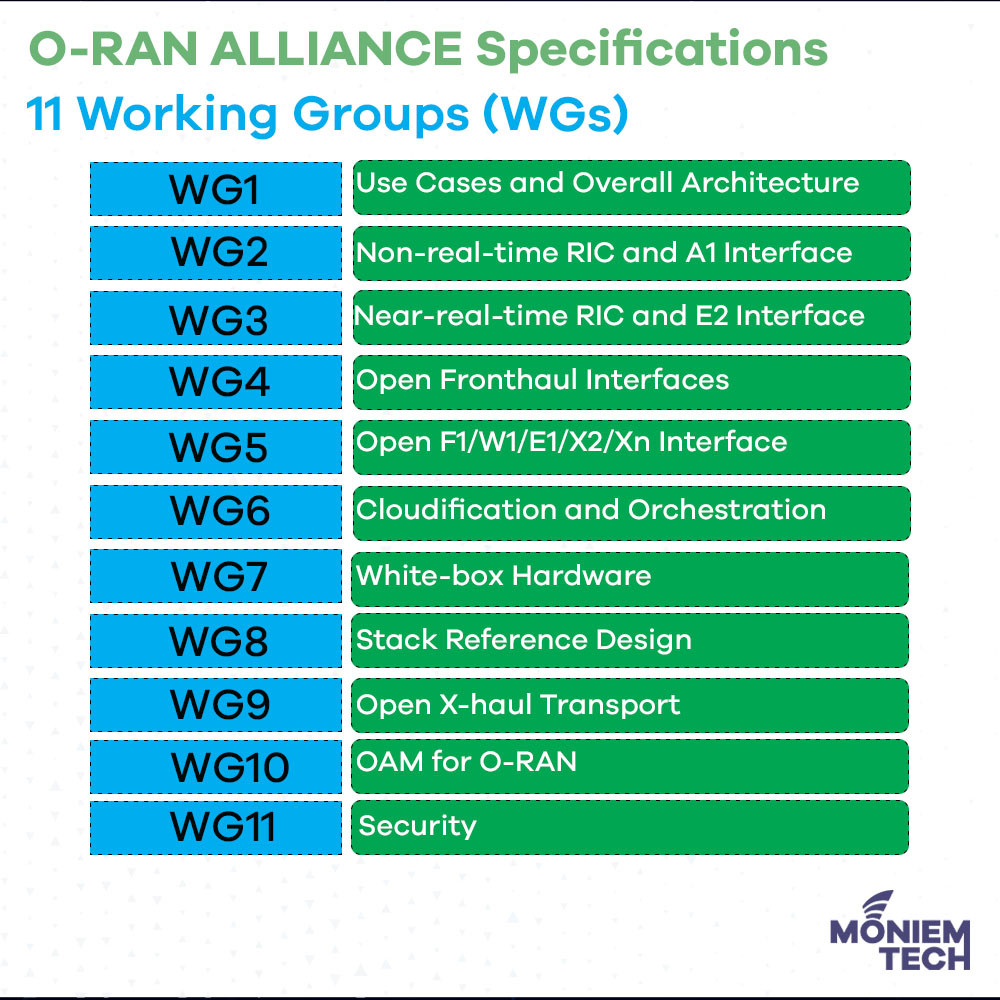
O-RAN ALLIANCE Specifications and Working Groups
The O-RAN Alliance (O-RAN) is a group that is defining specifications for radio access networks. It is a global alliance founded in 2018 and it is now comprised of close […]
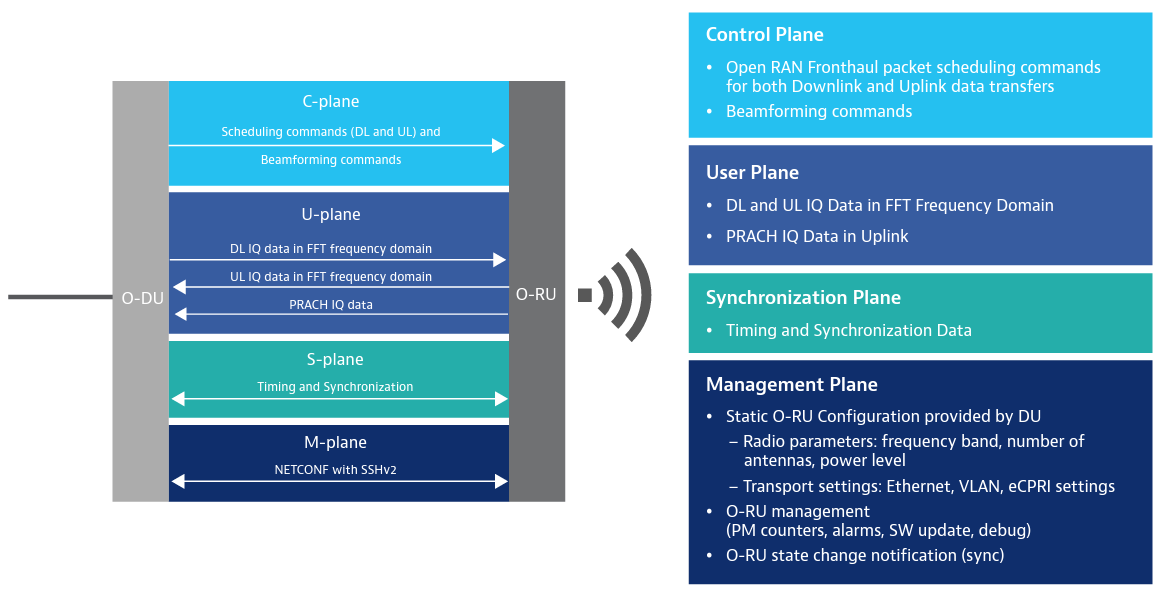
What are C/U/M/S Fronthaul (FH) Planes in ORAN ?
O-RAN’s proposed concepts and architectures use a split-RAN concept. There are 8 known ways to functionally split the RAN, and each one proposes splitting the processing so that different parts […]
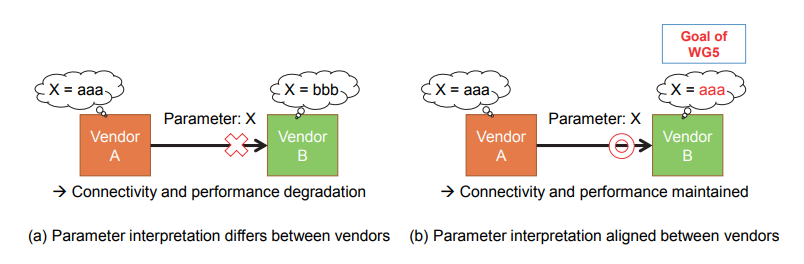
Open RAN Interoperability Between Multi-Vendor!
For the introduction of RAN functions disaggregation and open interfaces in 5G, 3GPP has in Release 15 specified a Higher Layer Split (HLS) option of the gNB, which is also […]
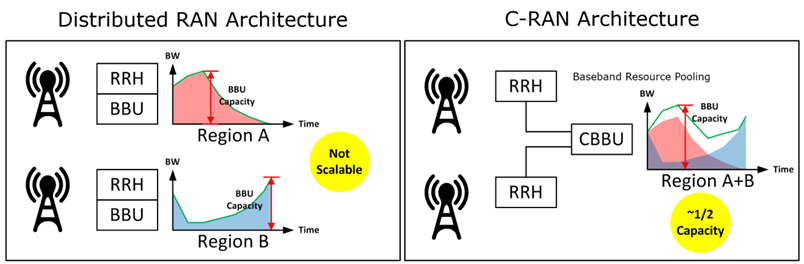
Why Do We Need to Change the RAN Mindset?
First, We need to understand the most important question, Why do we need to change our RAN from a traditional setup to a more flexible one? The Answer is: Heavy […]
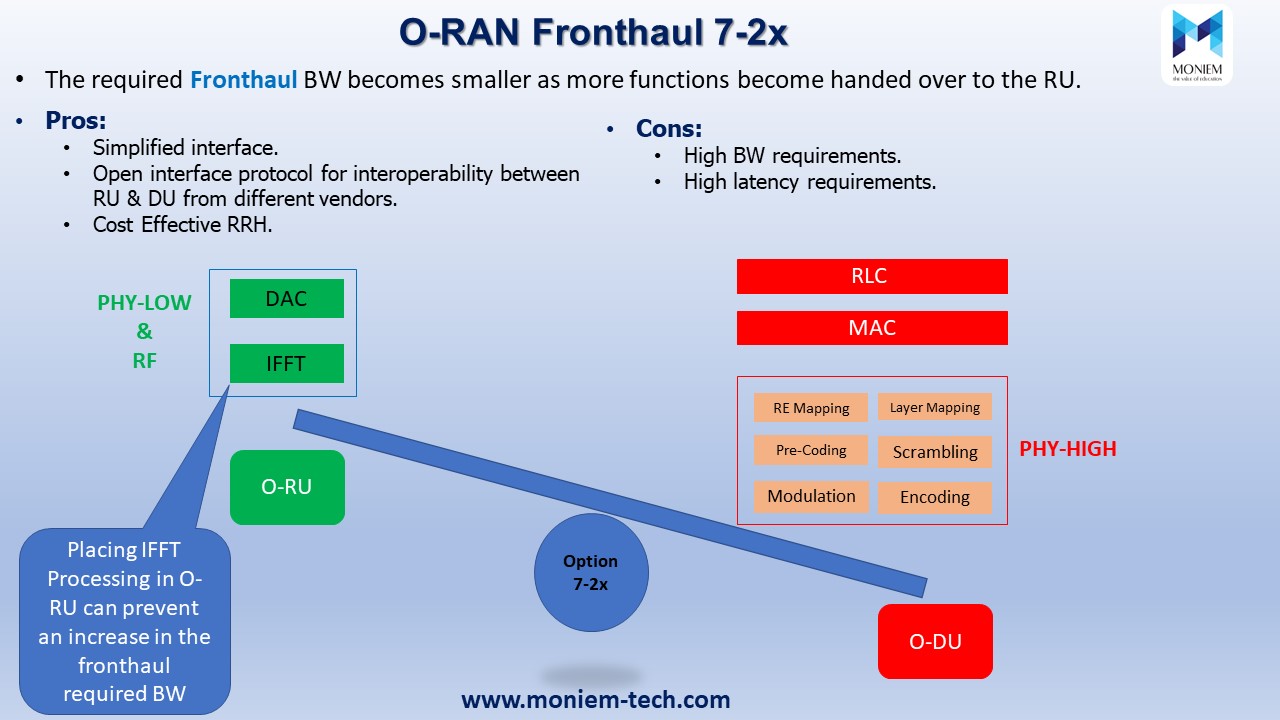
O-RAN Fronthaul 7-2x in One Page
In Split 7.2x: Low PHY/High PHY split, The Low PHY/High PHY split is the most acceptable approach for it is less complex and it supports various fronthaul requirements and most importantly […]
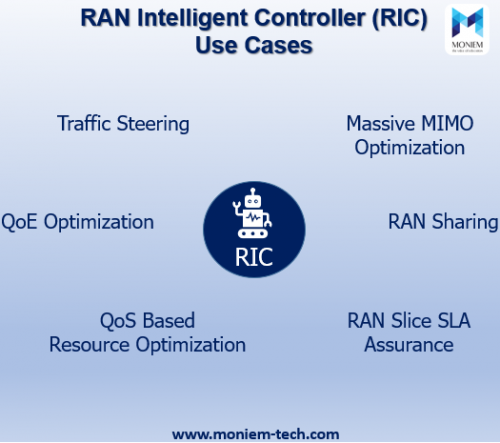
RAN Intelligent Controller (RIC) Use Cases
O-RAN Alliance has committed to evolving Radio Access Networks (RAN) around the world. Future RANs will be built on a foundation of virtualized network elements, white-box hardware, and standardized interfaces […]
O-RAN Alliance, TIP, ONF and Open RAN Policy Coalition
There are several industry-led open RAN initiatives that seek to unite an ecosystem of supply chain partners and advance open RAN through the definition, development, and testing of standards and […]
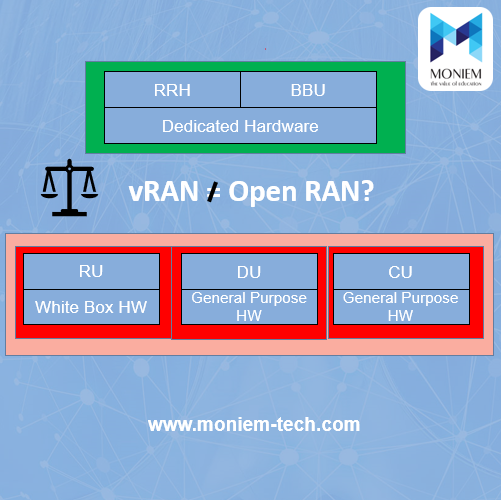
vRAN Shouldn’t be Equal to Open RAN nor ORAN
There are different acronyms related to the evolution of RAN (Radio Access Network), like vRAN, open RAN, O-RAN, etc. A key point to clarify is that RAN evolution means both […]
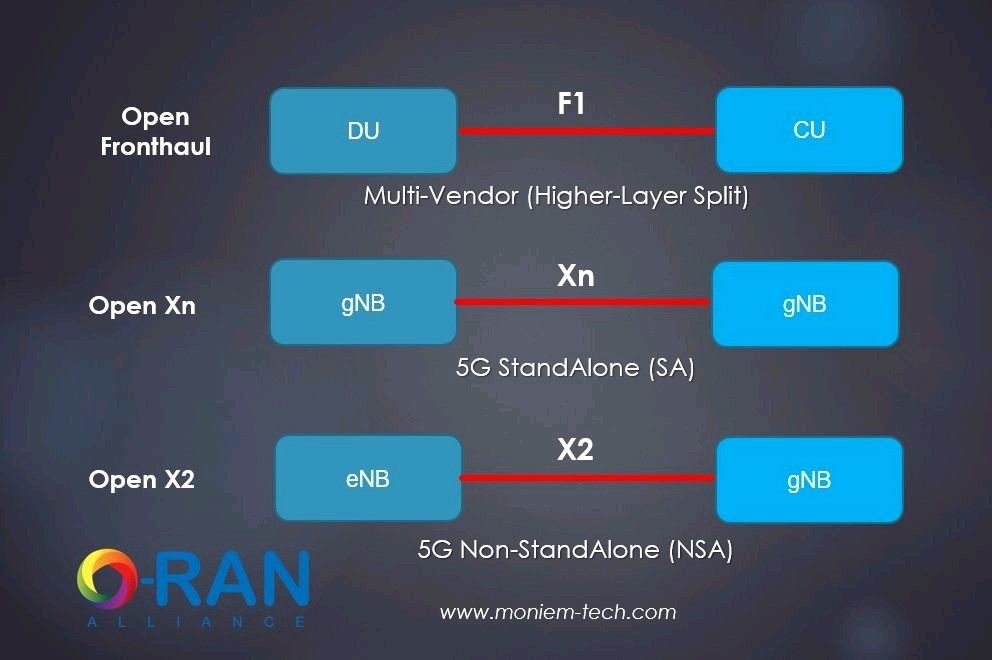
Open Interfaces by O-RAN Alliance
The O-RAN ALLIANCE e.V. specifies profiles for 3GPP RAN interfaces to achieve interoperability among different vendors. So far, profiles for open X2, open Xn, and open F1 interfaces have been published. Open […]
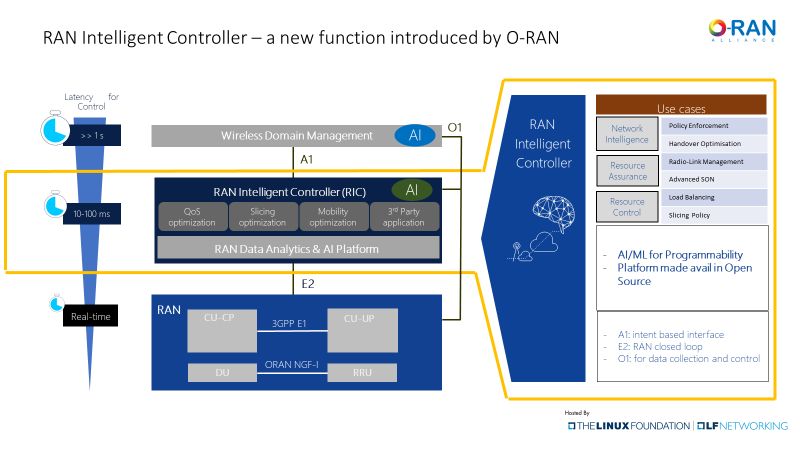
What Is The Importance of RIC?
O-RAN Alliance came up with RAN Intelligent Controller (RIC) to enable AI/ML-based RRM optimization, and which is expected to be merged with the existing central Self-Organizing Network (SON) function. Traditional […]