
When we’re discussing vRAN and Open RAN topics, we’ll find ourselves facing some questions about the performance and cost. The highly common question is ” Can virtualized RAN deliver the […]

Layer 1 Network Functions are The Challengers of vRAN and Open RAN!

Why RAN Must Be OPEN?
RAN (Radio Access Network) is the main telecommunication network component that is located between the core network and users’ equipment (such as a mobile phone). RAN is constituted of a […]
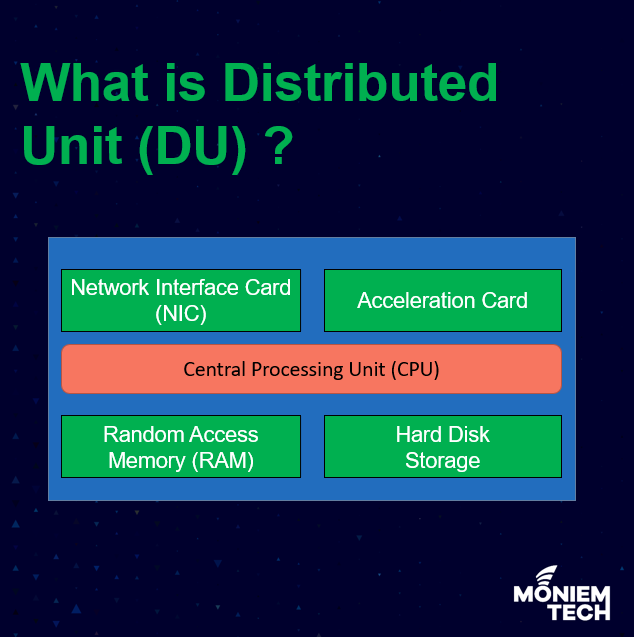
What is Distributed Unit (DU) in Open RAN?
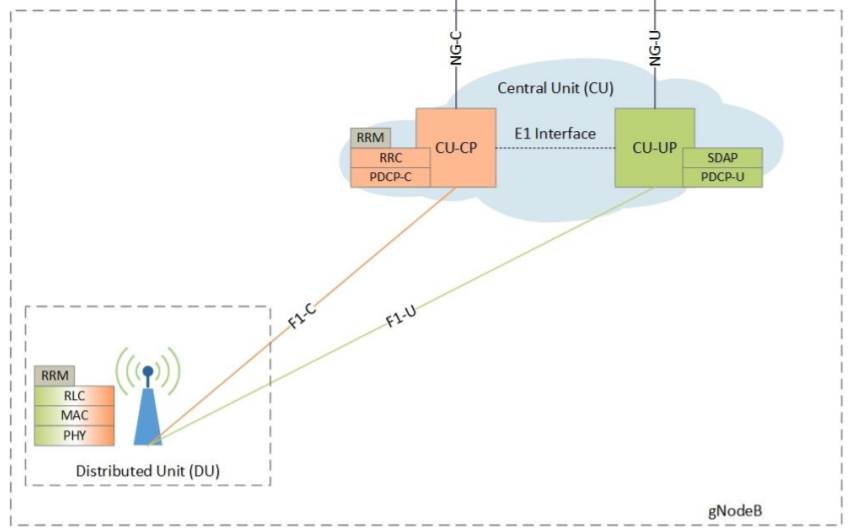
3GPP defined a new RAN architectural in Release 15, where the gNB (Site Name for 5G) is logically split into three entities denoted as: CU: Centralized Unit. DU: Distributed Unit. […]
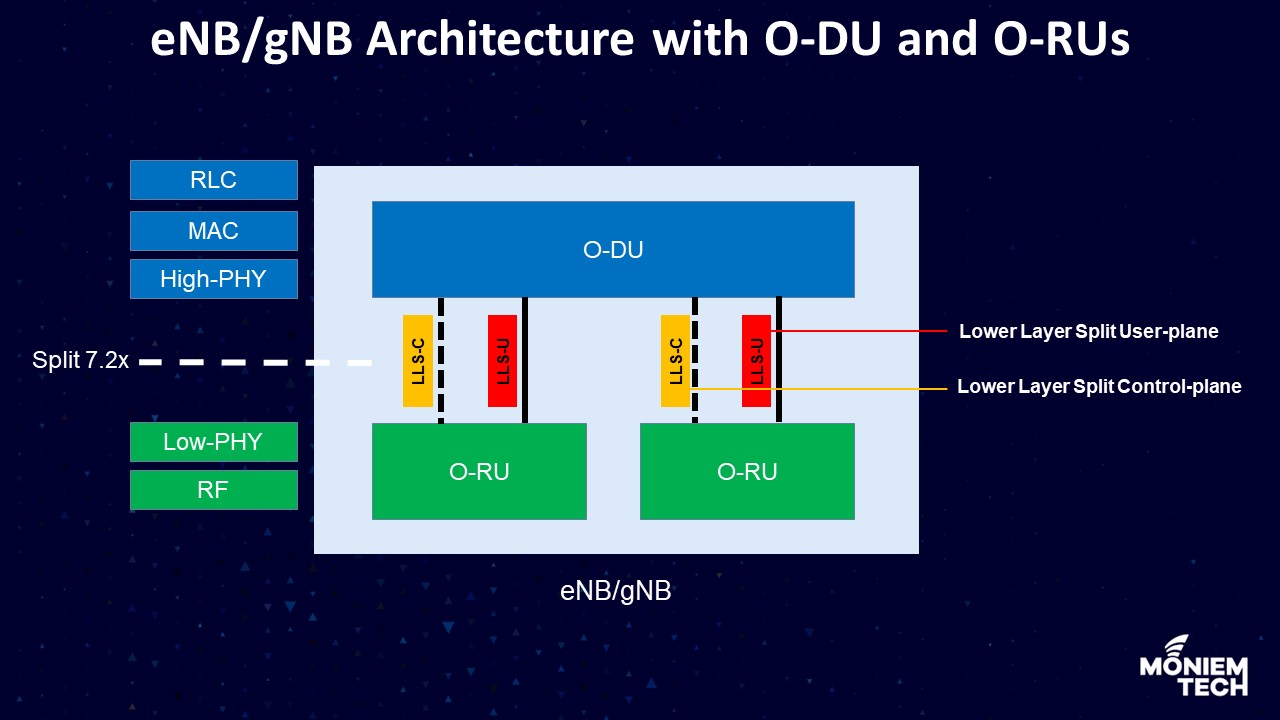
eNB/gNB Architecture with O-DU and O-RUs
The architecture of eNB or gNB with O-DU and O-RUs has some important definitions here: O-DU: O-RAN Distributed Unit: a logical node hosting RLC/MAC/High-PHY layers based on a lower layer […]
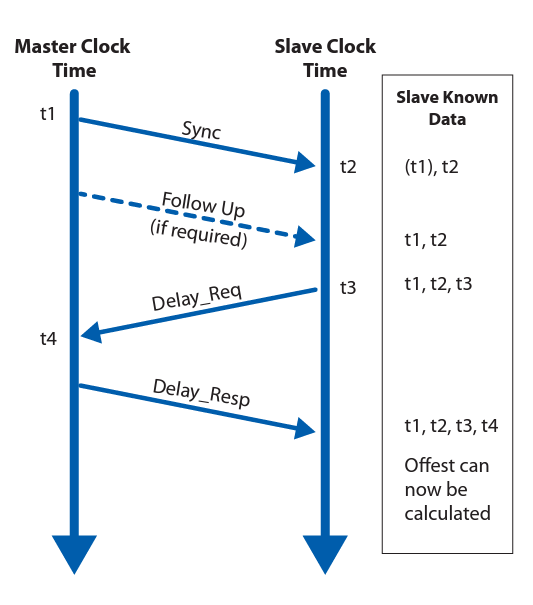
What is Precision Timing Protocol (PTP)?
What is PTP? Precision Time Protocol (PTP), defined in the IEEE1588-2008 standard, is a protocol that uses a master-slave hierarchy to synchronize clocks on network devices. PTP uses hardware time […]
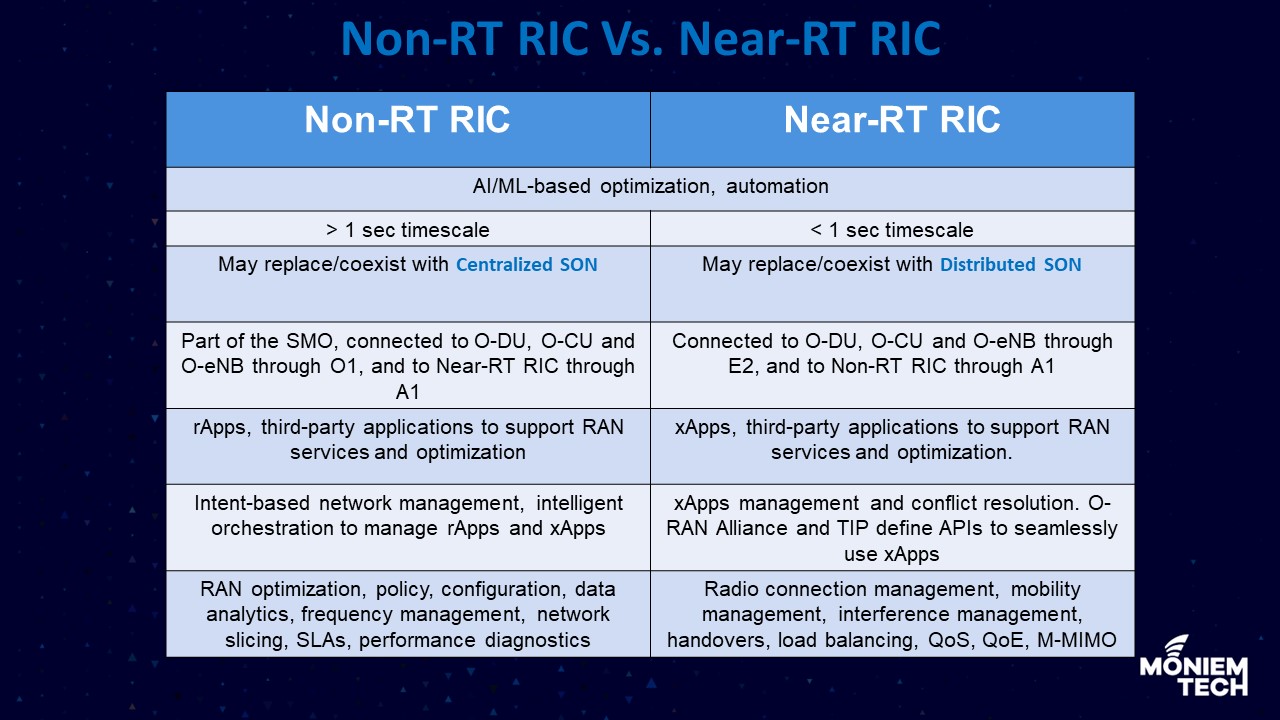
RIC Main Components: Non-RT RIC and Near-RT RIC
The RAN intelligent Controller (RIC) is cloud-native, and a central component of an open and virtualized RAN network. The RIC aligns with 3GPP release 15 and beyond. It is foundational […]

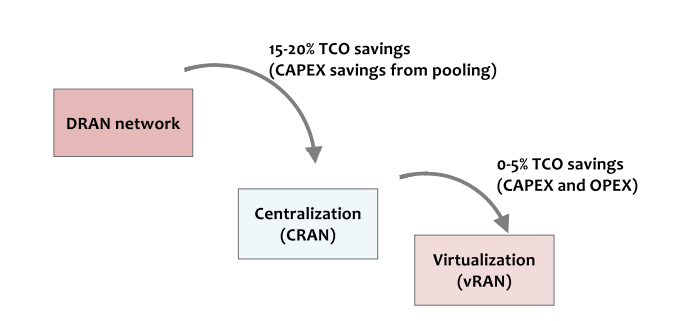
How Much Cost Is Saved by RAN Virtualization?
Virtualized radio access networks (vRANs) are a way for telecommunications operators to run their baseband functions as software. One of the primary benefits of virtualizing radio access networks (RANs) is […]
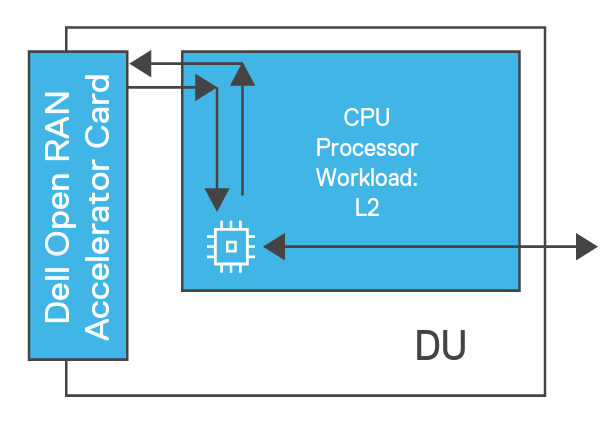
Why Physical Layer (L1) is a Big Deal in 5G Open RAN?
OpenRAN based on legacy compute architectures utilizes an excessively high number of CPU cores and energy to support 5G Layer 1 (L1) and other data-centric processing, like security, networking, and […]
What the Open RAN Main Components?
Open RAN disaggregates the RAN into main 3 components as below: ? Upper Layer Split Central Unit (CU) • Logical node that includes a portion of the eNB/gNB functions as defined […]
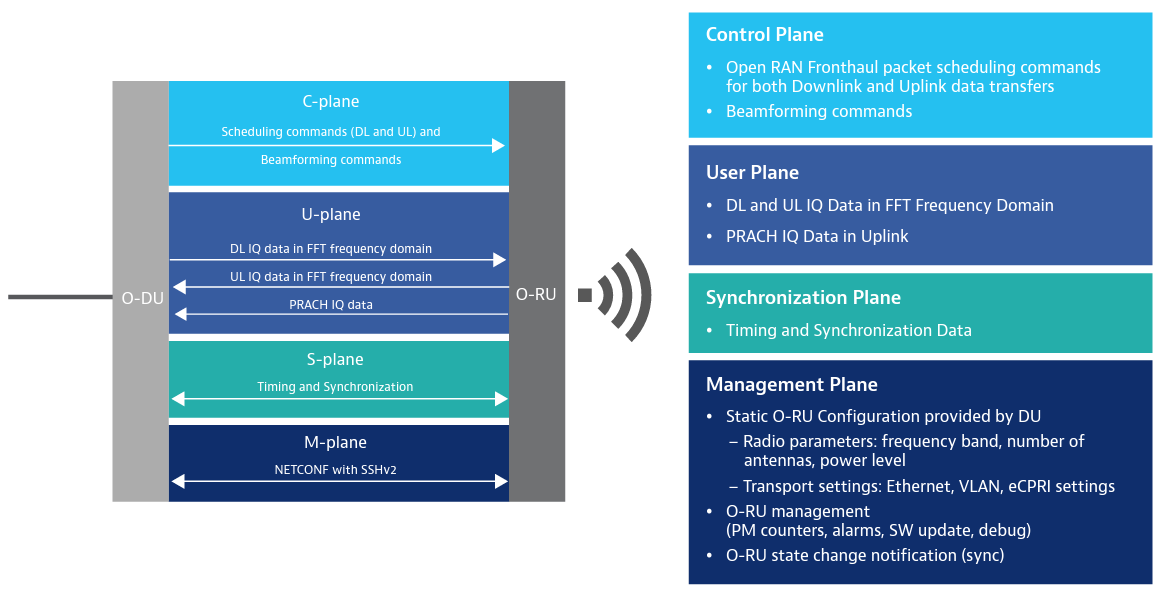
What are C/U/M/S Fronthaul (FH) Planes in ORAN ?
O-RAN’s proposed concepts and architectures use a split-RAN concept. There are 8 known ways to functionally split the RAN, and each one proposes splitting the processing so that different parts […]