
The 5G Non-Terrestrial Network (NTN) integrates satellite and airborne platforms with terrestrial 5G networks to provide ubiquitous coverage. The Next-Generation Radio Access Network (NG-RAN) architecture in 5G NTN can be designed to […]
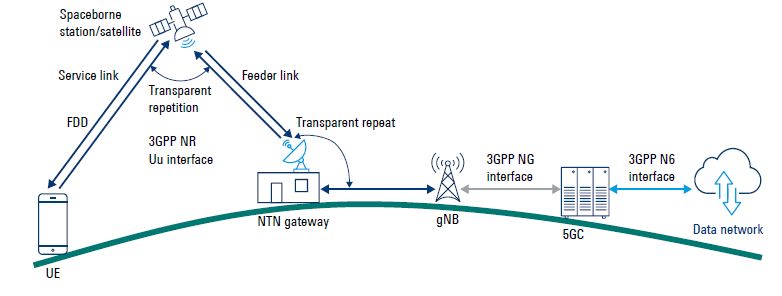
Transparent 5G NTN NG-RAN Architecture
Interworking Security Between 5G and EPC
Interworking security between 5G and EPC involves managing security contexts during mobility between the two systems. This ensures that the UE can maintain secure connections regardless of the access […]

The Importance of Firewall in 5G Network
Many types of firewalls are often categorized by system protection, form factor, network placement, and data filtering method. Regarding 5G, Firewalls protect different network layers — especially in the Service-Based […]
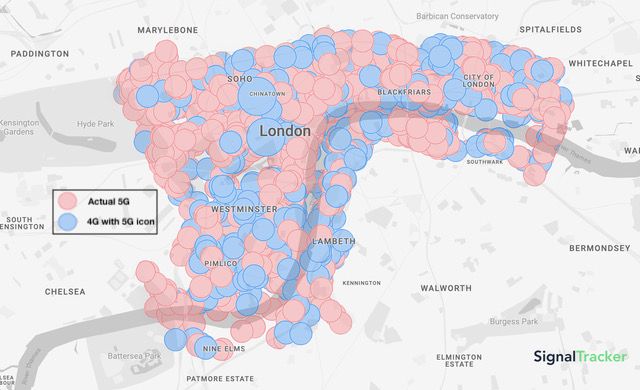
Does the 5G icon on the phone indicate that it is using 5G while it’s 4G?
The Question is Actual 5G or Icon-only 5G! Recently, a new mobile app called SignalTracker showed that nearly 40% of 5G connections are actually 4G, as per PolicyTracker. Actual 5G […]
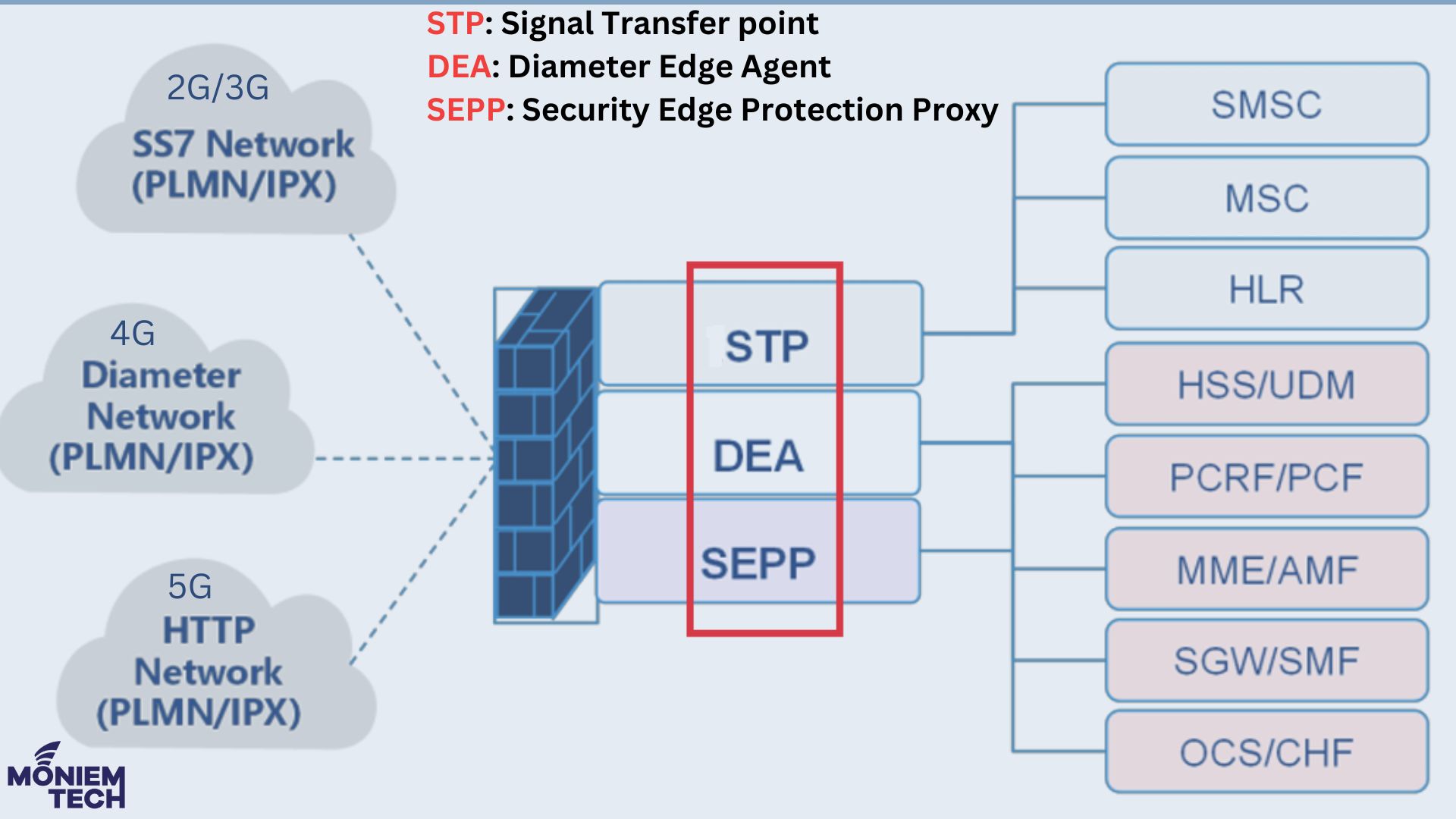
Network Signaling and Firewall Journey from 2G to 5G
The journey started with 2G and 3G, where Voice was the leading service, and the main protocols were SS7 and SIGTRAN (Signaling Transport). At this time, the primary Firewalls are: […]
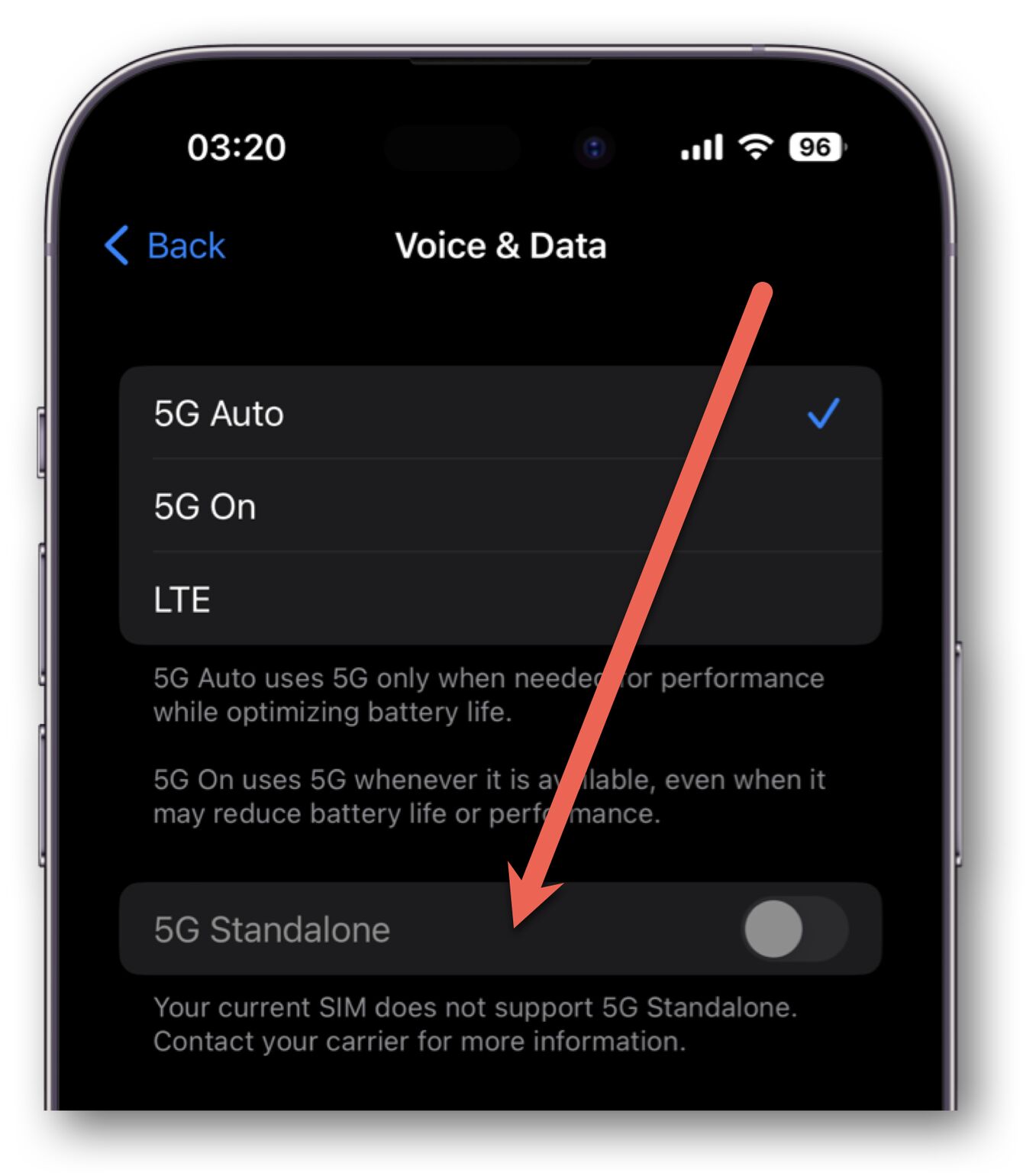
5G SA (Standalone) Status in 2025
When I started my 5G Journey in 2017, I first explored the 5G network versions: 5G NSA (Non-Standalone) and 5G SA (Standalone). Most MNOs envision starting with 5G NSA and […]
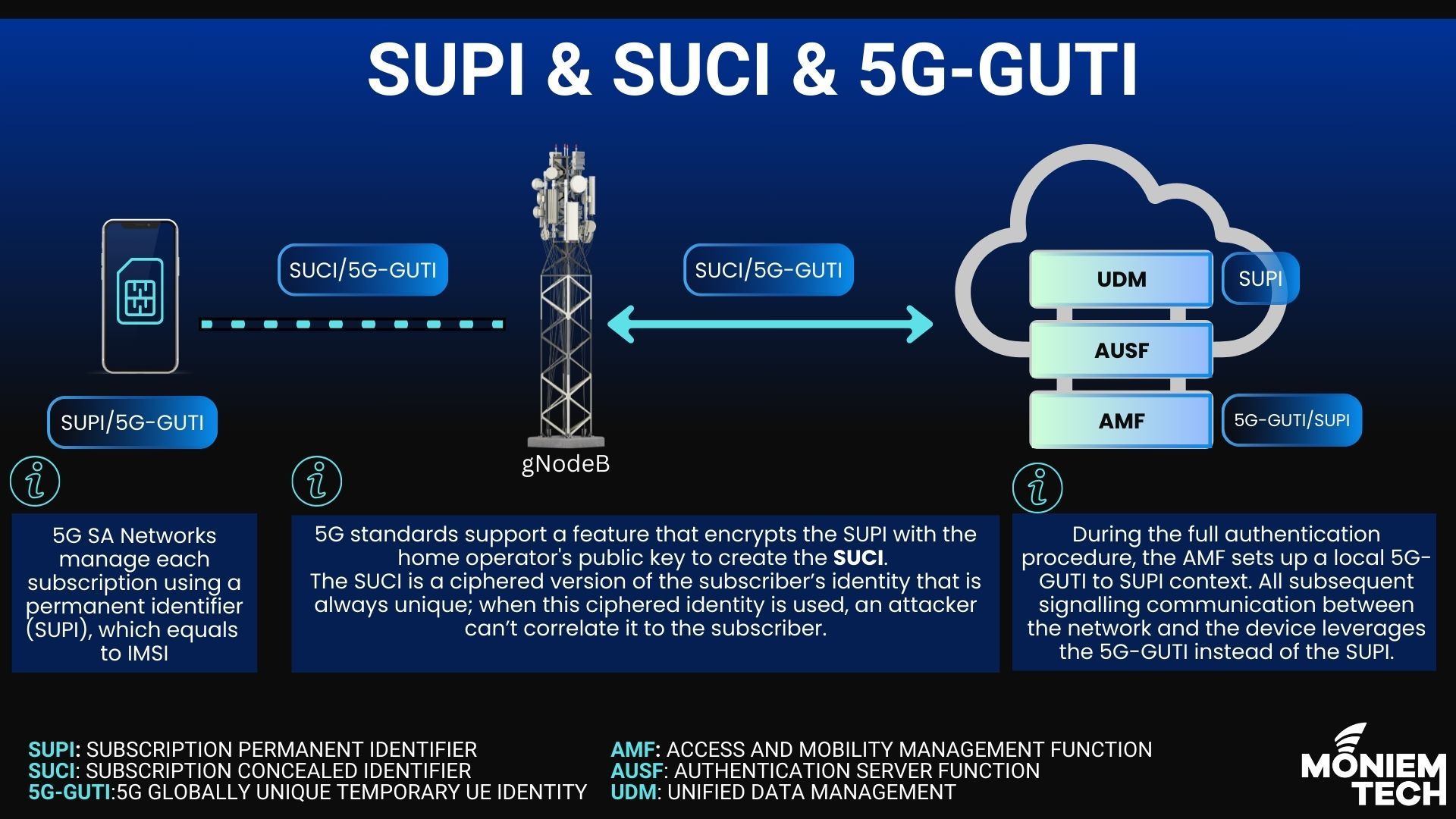
What is the difference between SUPI, SUCI and 5G-GUTI in 5G SA Networks?
Currently, I see some confusion regarding 5G identification and the purpose of each one, such as which network node generates them and the subscriber’s role. I summarized the 3 identifications […]
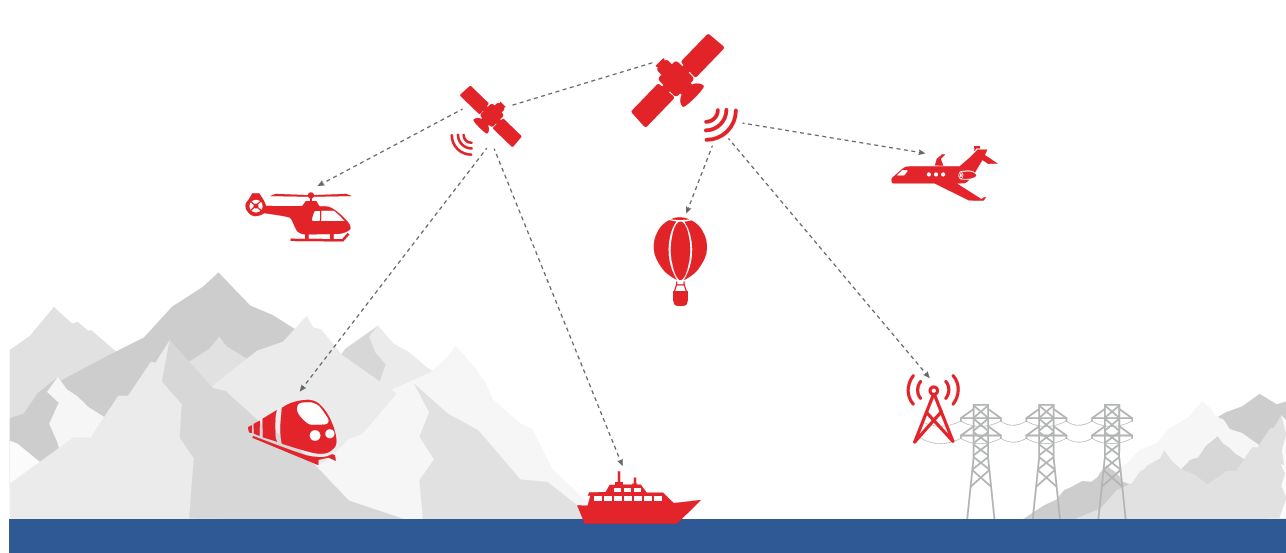
What is NTN (Non-Terrestrial Networks)?
What is NTN? NTN refers to a communication system that transmits data through non-terrestrial platforms, such as satellites, high-altitude platforms (HAPs), drones, or other aerial technologies, instead of relying on […]
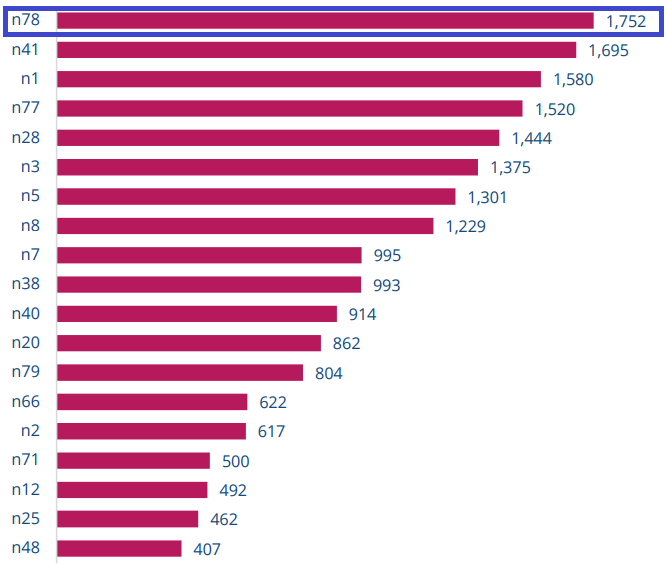
5G SA (Stand-Alone) doesn’t mean mmWave Spectrum
Recently, I read many discussions around 5G SA mainly really on mmWave spectrum which is Unique to 5G technology, as mmWave or millimeter Wave is the most capacity spectrum band […]
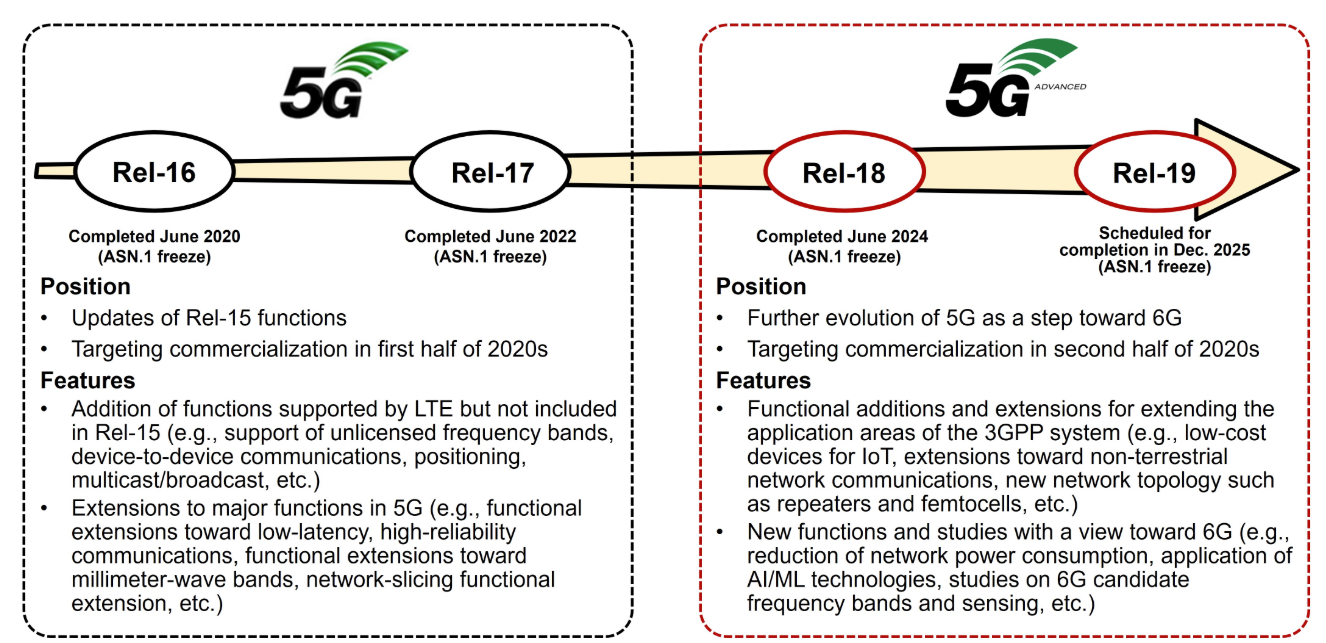
Towards 5G Advanced and Release 18
5G Release 15 was the first release of 5G and its specification was completed in June 2018. Release 16/17 specifications were drafted as extensions to 5G Release 15 with its […]
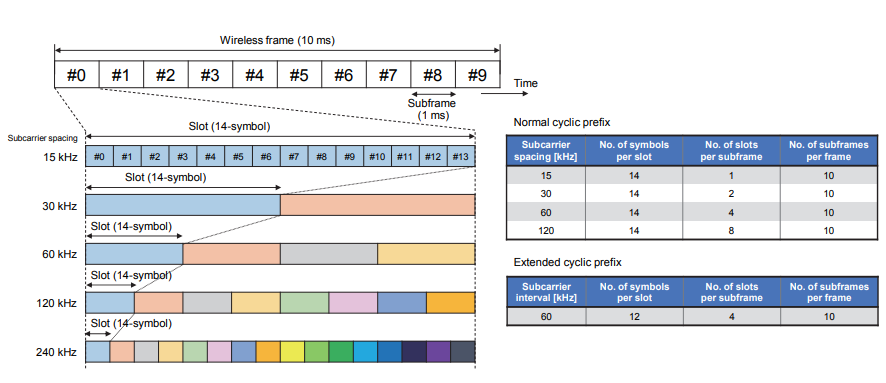
Frame Structure for 5G New Radio Release 15
5G NR modulation and waveforms have some commonalities with LTE but aim to have much higher spectral efficiency. NR supports QPSK, 16 QAM, and 256 QAM with the same constellation […]