
Short answer: No — and here’s why. Imagine buying a new 5G phone only to discover it uses one RF chain. What would that mean for your experience? Would the […]
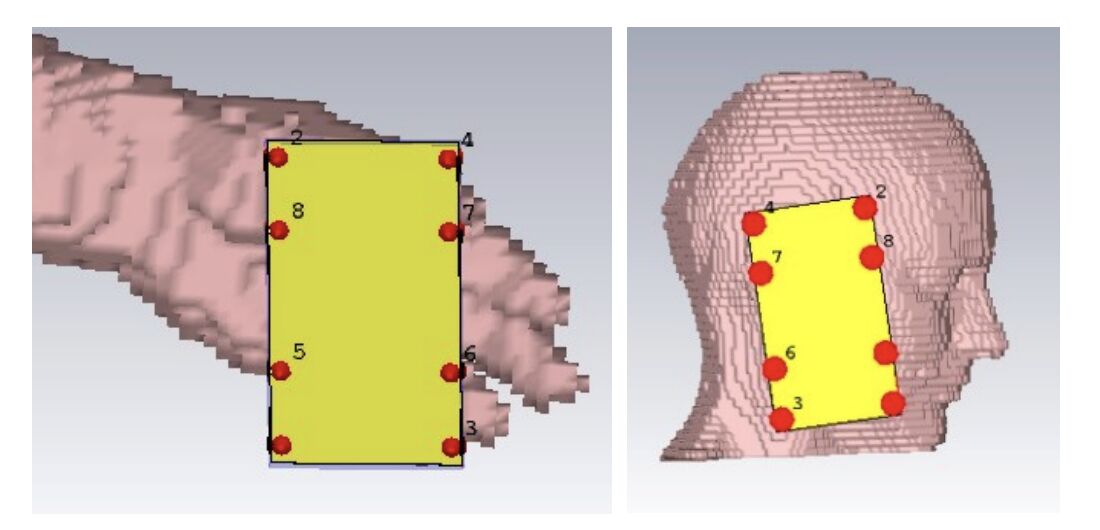
Is it practical to have a 5G device without MIMO? or with 8×8 MIMO?
Frequency Bands FR3 or Upper Mid-Band
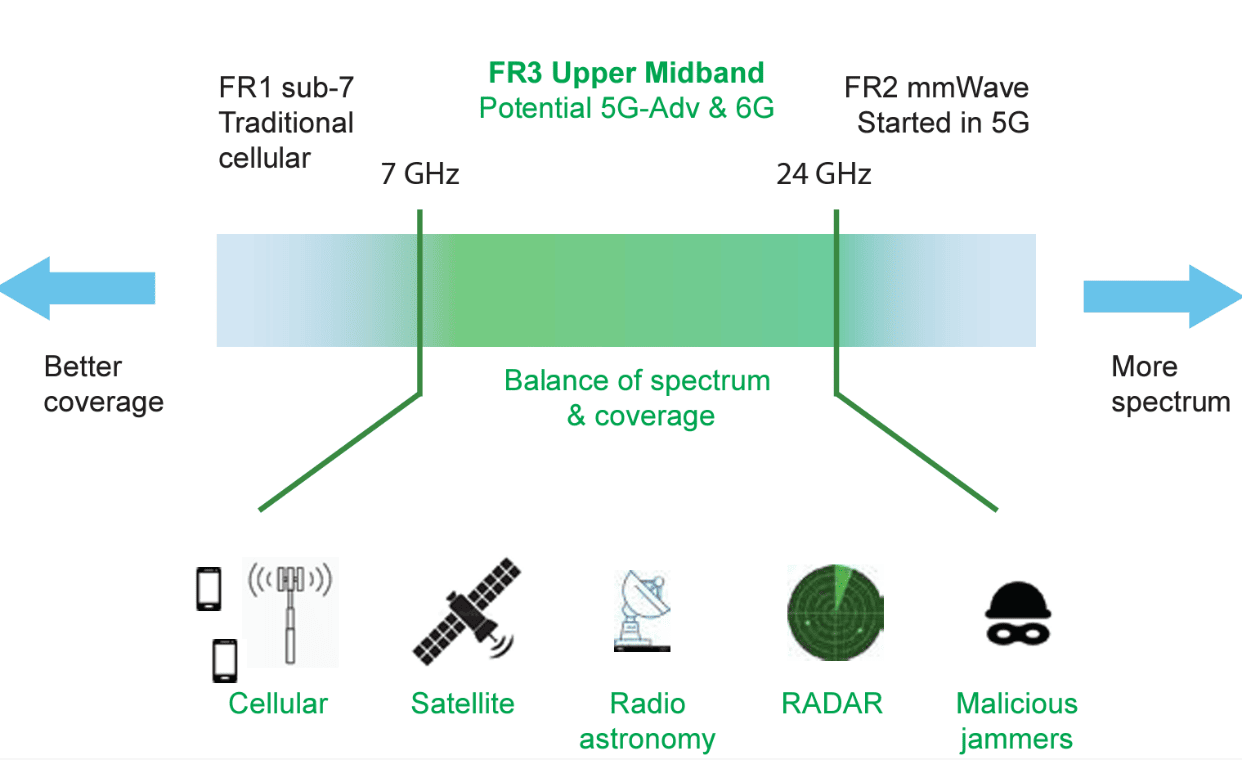
Recently, I have read an interesting white paper from Anritsu, which covered trends in wireless frequency band allocation for 5G-A and 6G. The most recent WRC was held in Dubai, […]
5.5G and 5G+ in the UAE, What is the story?
If you’re living in the UAE, you’ve probably noticed the new billboards across the streets promoting the latest evolution of 5G technology. Etisalat is calling it 5.5G (5G-Advanced) while DU […]
Apple’s Strategy on mmWave 5G in the iPhone Lineup
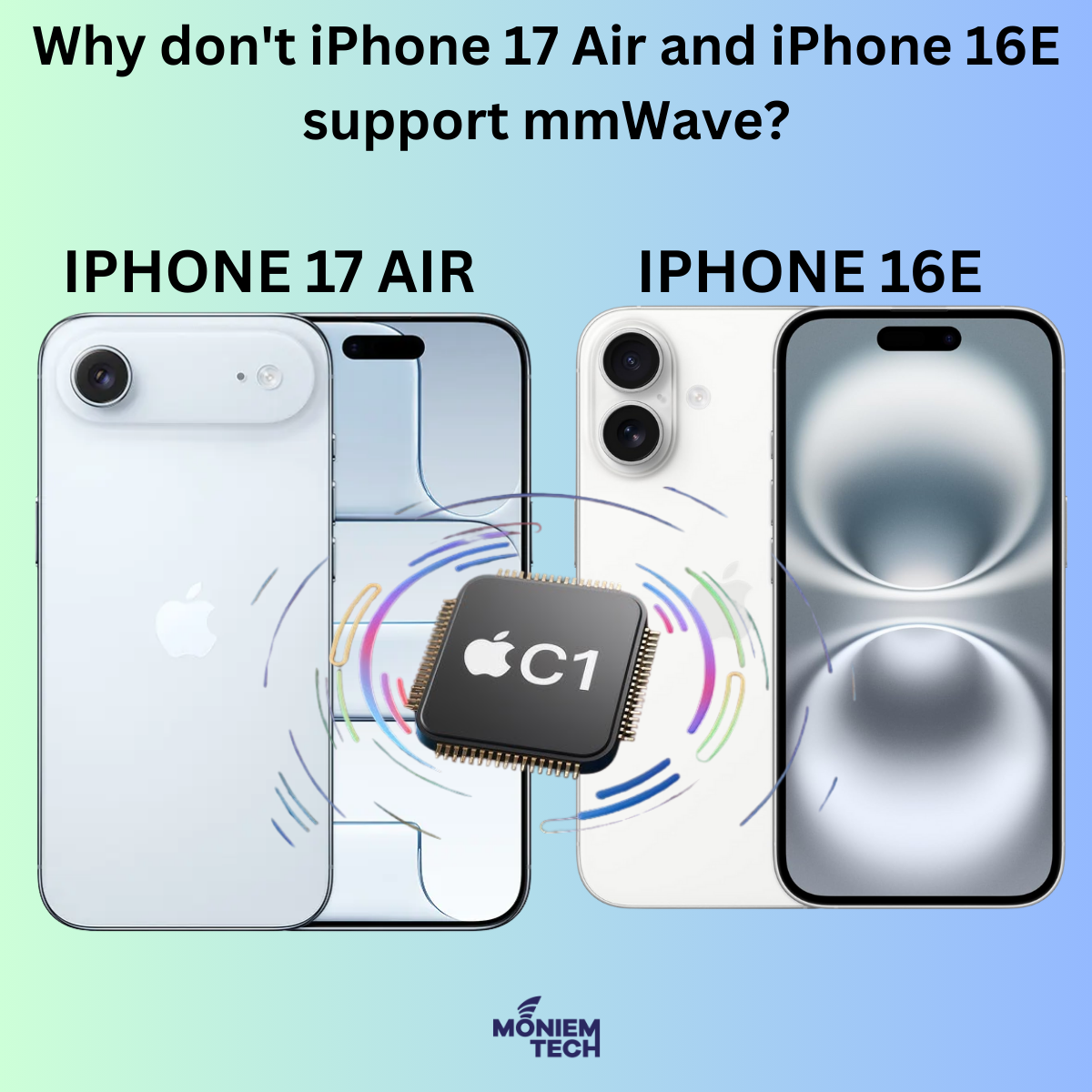
mmWave offers the fastest 5G speeds available today; however, its use cases are currently limited. With its extremely short range and poor penetration through obstacles, mmWave mainly makes sense in […]
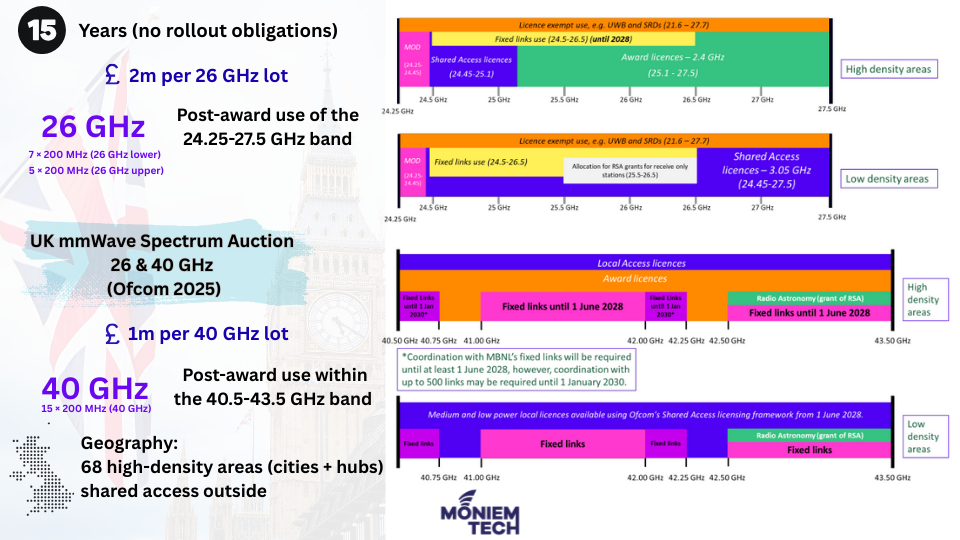
Ofcom kicks off the UK mmWave auction (26 & 40 GHz)
Ofcom is auctioning a total of 5.4 GHz of mmWave spectrum across the 26 GHz and 40 GHz bands. This marks a significant milestone for 5G evolution in the UK […]
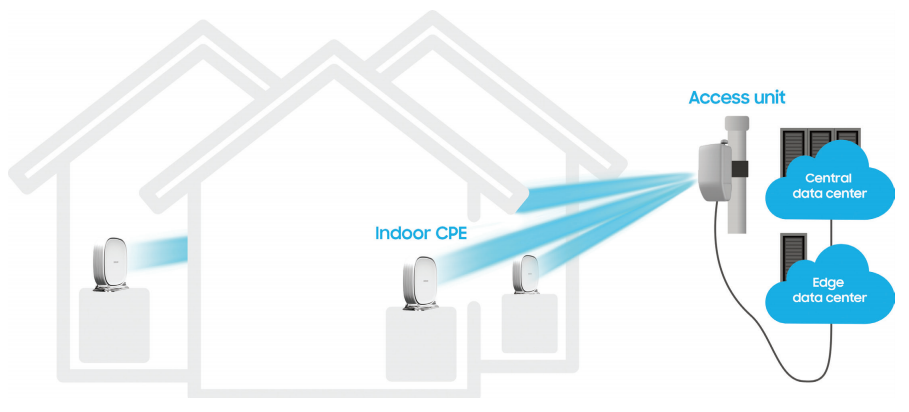
5G FWA is No Longer An Experiment
5G FWA isn’t just a “nice-to-have” – it’s the future of home connectivity. The latest data from CTIA shows a clear trend: 5G FWA is driving nearly all new broadband growth […]
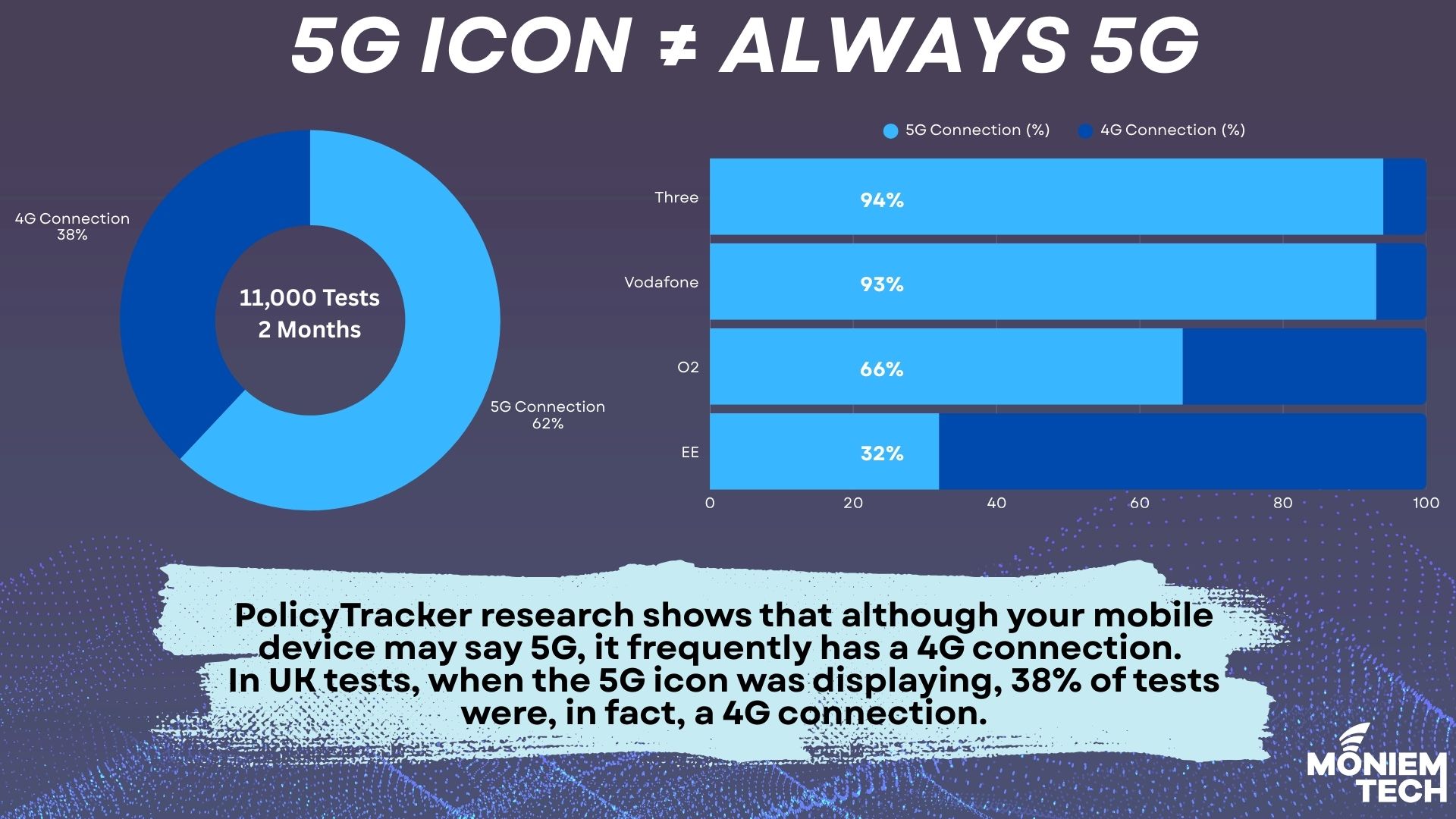
Why Your 5G Icon Doesn’t Always Mean Real 5G
The question is: Actual 5G or Icon-only 5G. A study based on the mobile app SignalTracker shows that nearly 40% of 5G connections are actually 4G, as per PolicyTracker. Actual […]
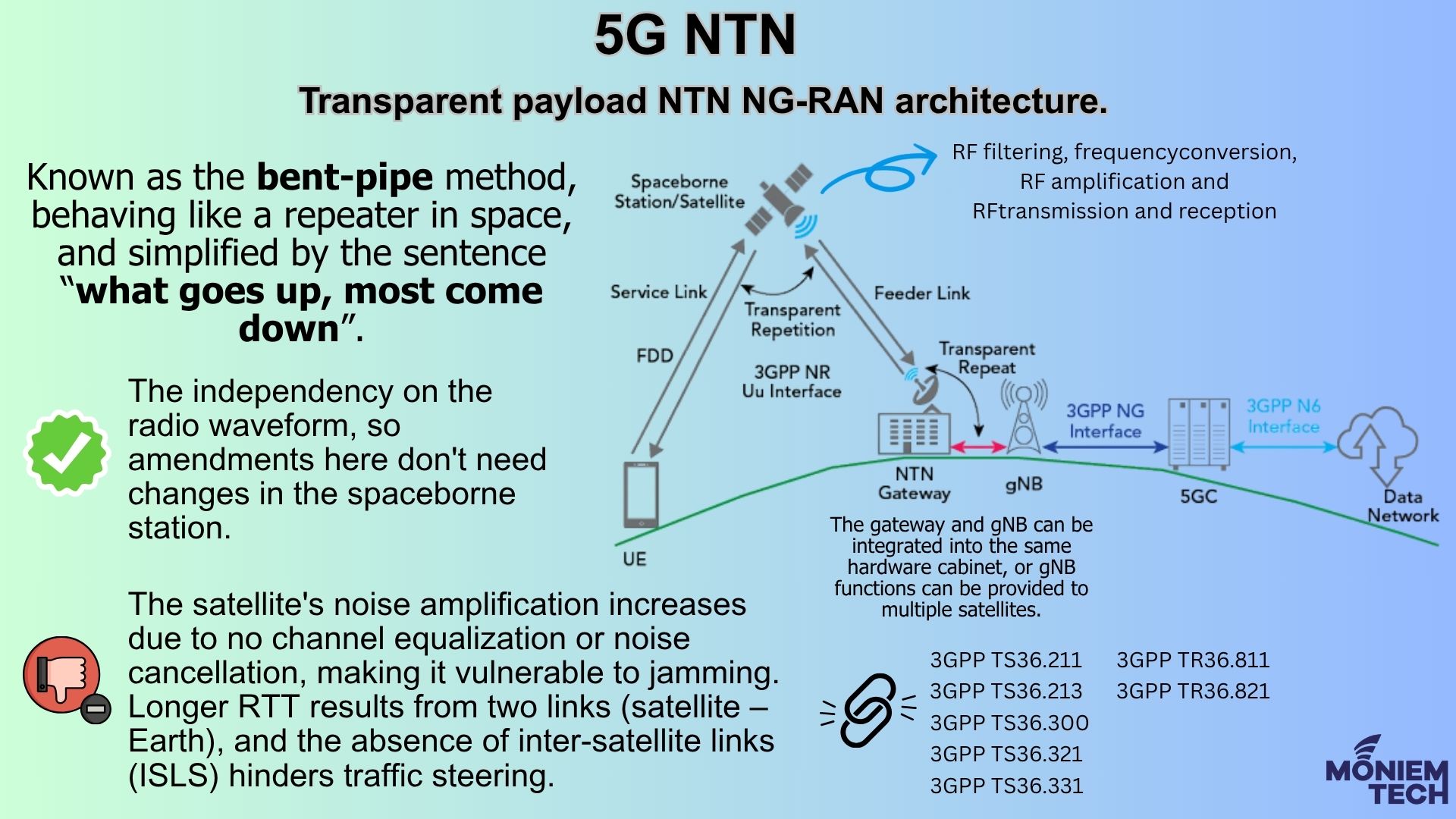
5G NTN Transparent Payload Architecture
When discussing 5G NTN, it’s important to understand what NTN is, how it functions, and the purpose of Transparent Architecture. What is 5G NTN? 5G NTN refers to the integration […]
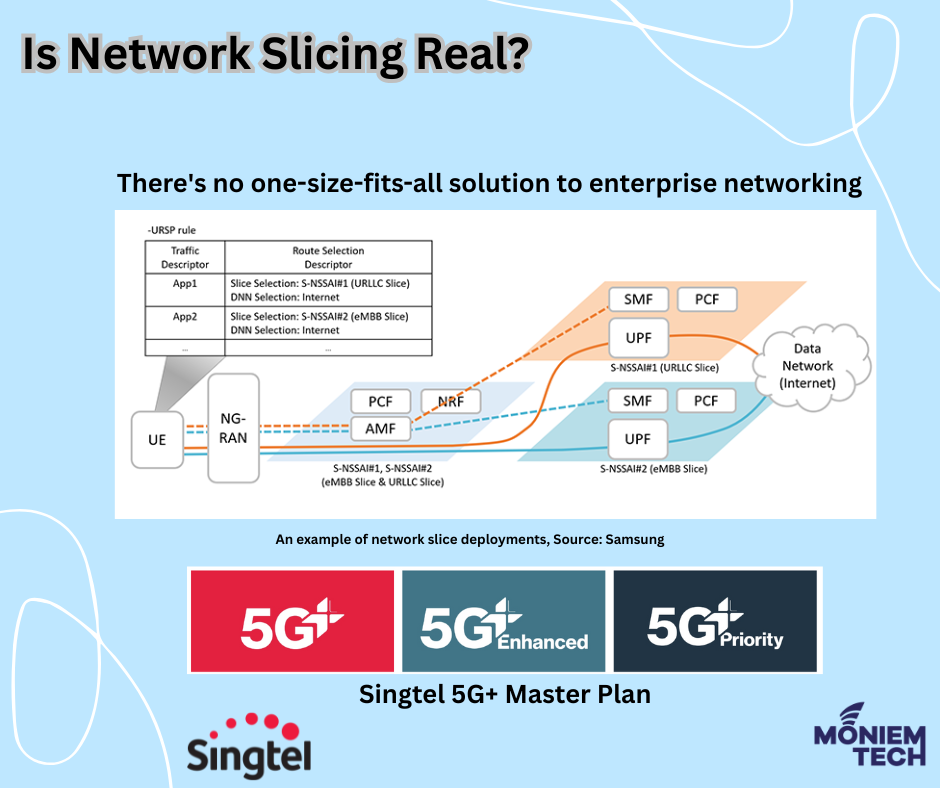
What is Network Slicing? Is it Real?
Network Slicing is essentially the ability to divide your network into individual use cases, each tailored to provide specialised services. Traditionally, in 4G, the APN (Access Point Name) was probably […]
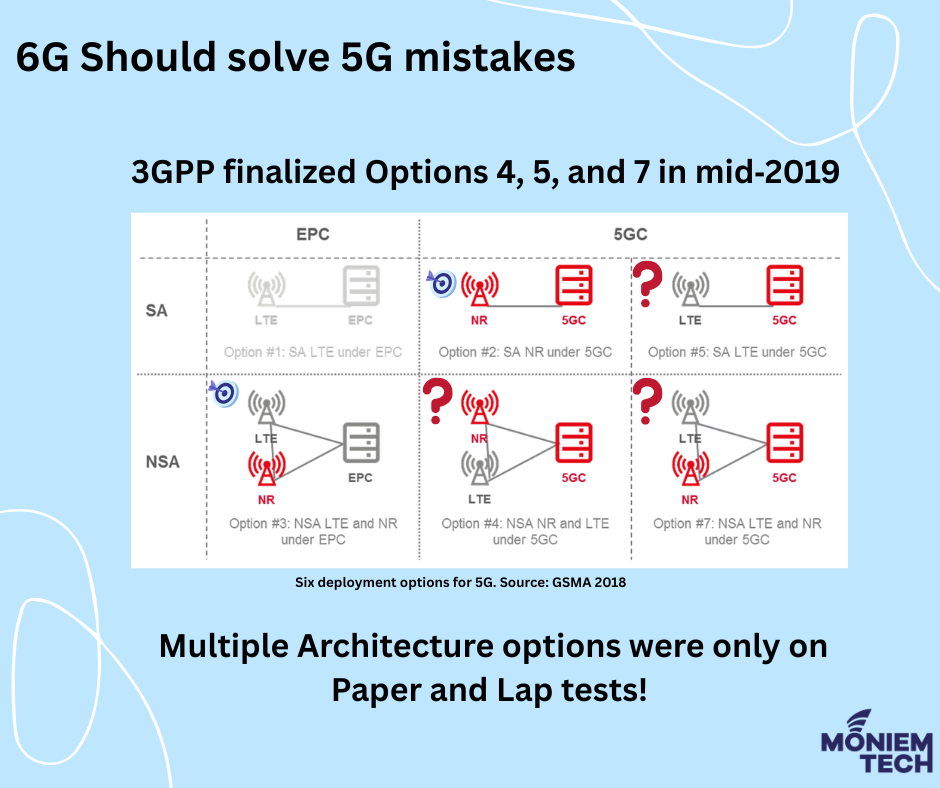
6G Role in Solving 5G Multiple Architecture Issue
For the introduction of 5G, 3GPP has specified five possible configurations, or ‘options’, for connecting to an EPC or a new 5G core network (six if the current 4G system […]
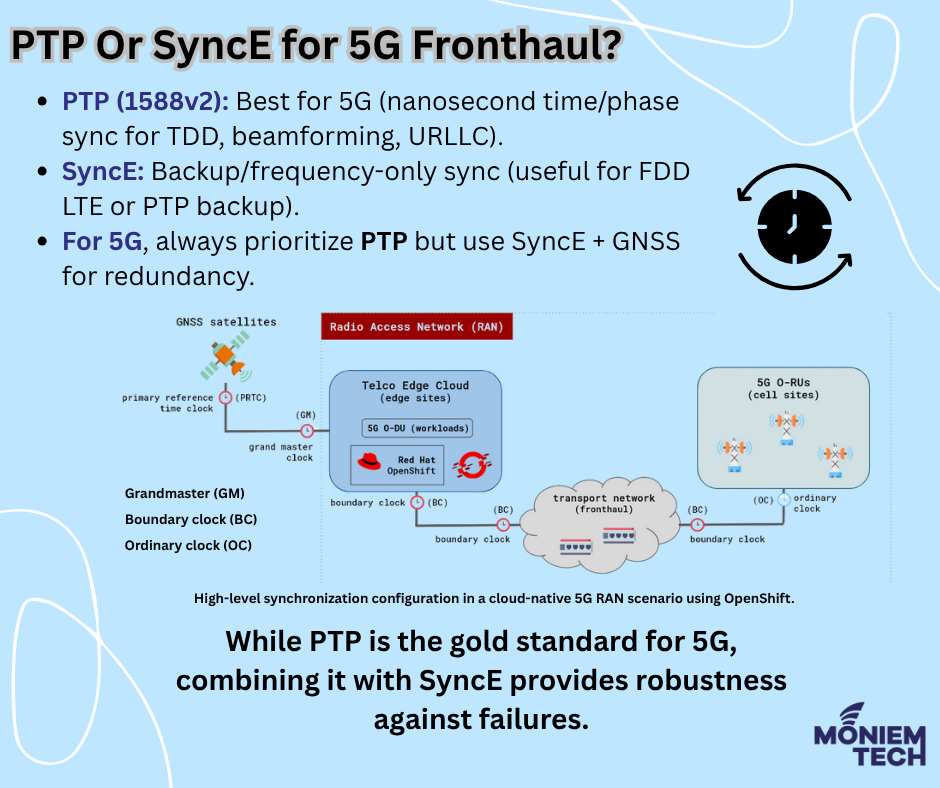
Why Synchronization is Critical in 5G Networks
Synchronization in 5G ensures precise timing and coordination across the network, enabling key technologies like TDD, beamforming, and ultra-low latency. 5G TDD networks utilise the same frequency for both uplink […]