
Home Subscriber Server (HSS) is the main subscriber database used within the IP Multimedia Subsystem (IMS) which provides details of the subscribers to other entities within the network.
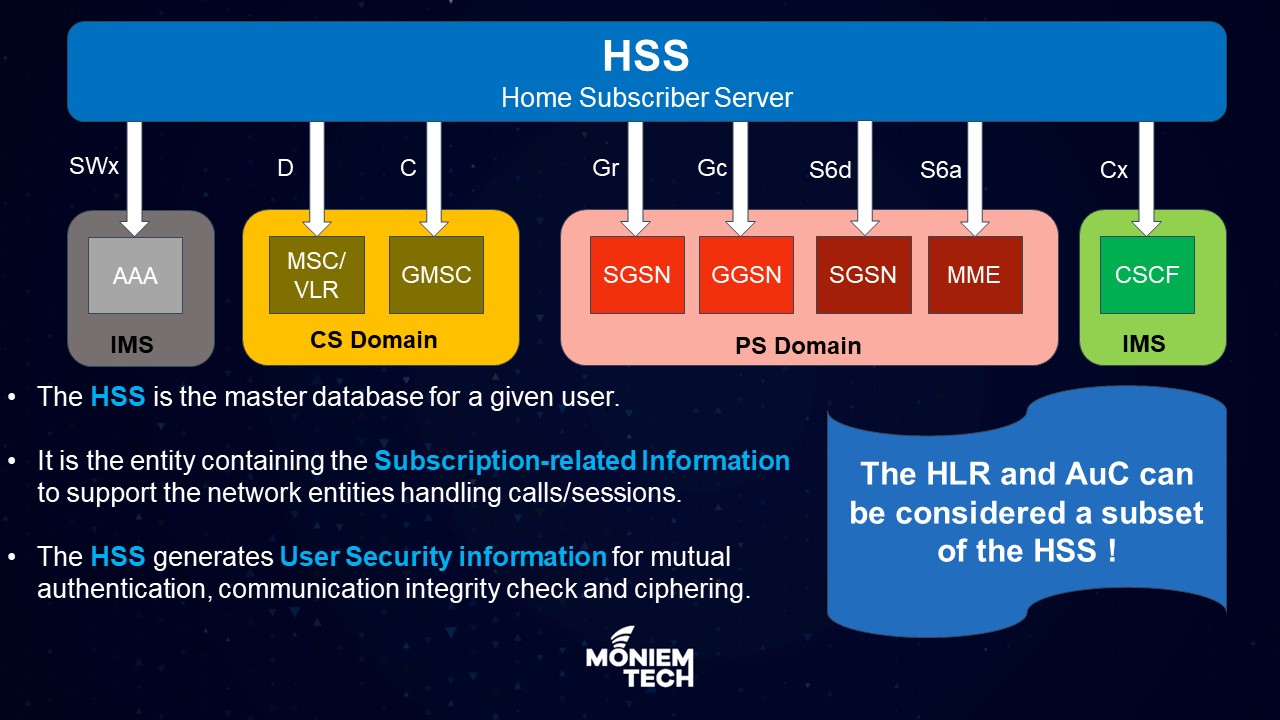
Home Subscriber Server in One Page
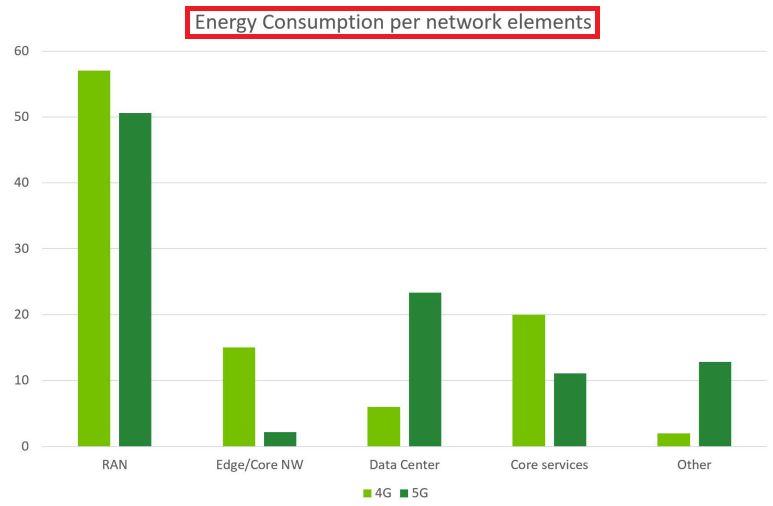
Power Consumption of 4G and 5G Networks
The fact of Sustainability in mobile networks starts with power reduction and meeting net-zero goals, and as we know wireless networks consume large amounts of resources, from electricity to raw […]
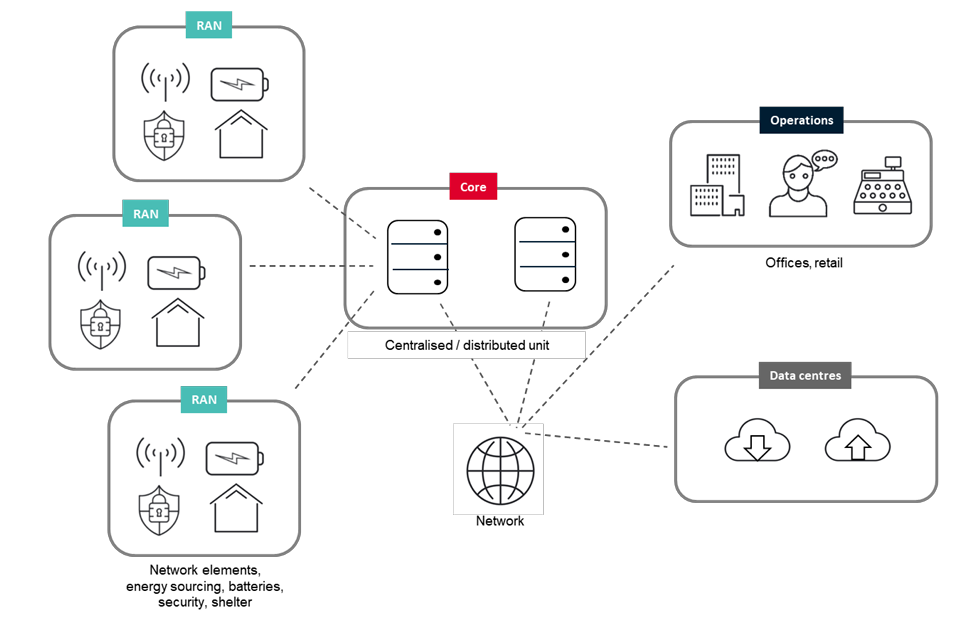
Energy Usage Resources in Mobile Network Operators (MNOs)
There’re many factors that impact the energy consumption in the mobile network operators, some of them related to climate, population density, and data consumption levels, while others are related to […]
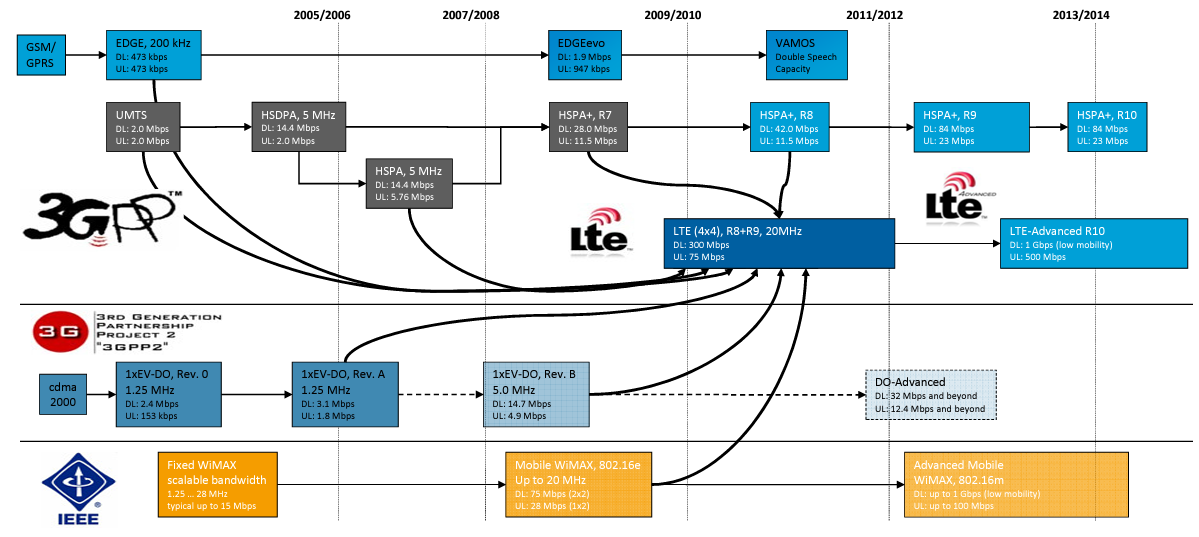
3GPP Releases, Main Features from 3G to 4G
3GPP specifications cover cellular telecommunications technologies, including radio access, core network, and service capabilities, which provide a complete system description for mobile telecommunications. In general, there are many wireless technologies […]
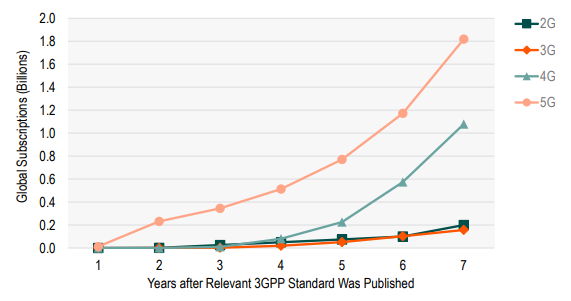
Why Is 5G Growth Faster Than The Previous Generations?
5G can be significantly faster than 4G, delivering up to 20 Gigabits-per-second (Gbps) peak data rates and 100+ Megabits-per-second (Mbps) average data rates. 5G has more capacity than 4G. 5G is […]

What is the difference between 4G Core and 5G Core?
In LTE Core Network, all data plane traffic must go through a single node type called Packet Data Network Gateway (P-GW). This centralized architecture is advantageous in terms of operation […]
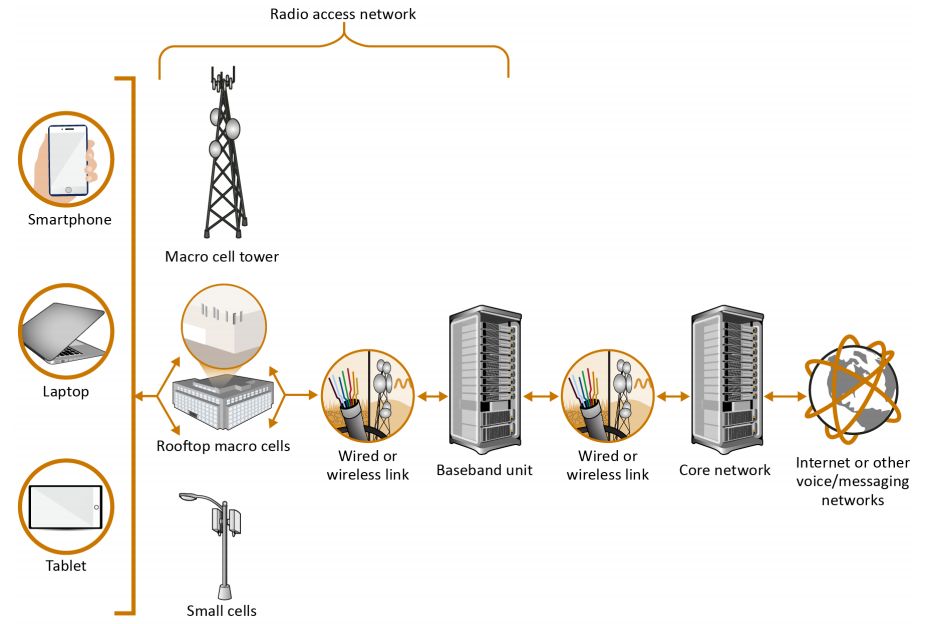
Simplified Architecture for a Cellular Network
The device connects over the Radio Access Network (RAN), which defines and manages the radio link between the customer device and the rest of the network. The RAN comprises cellular […]
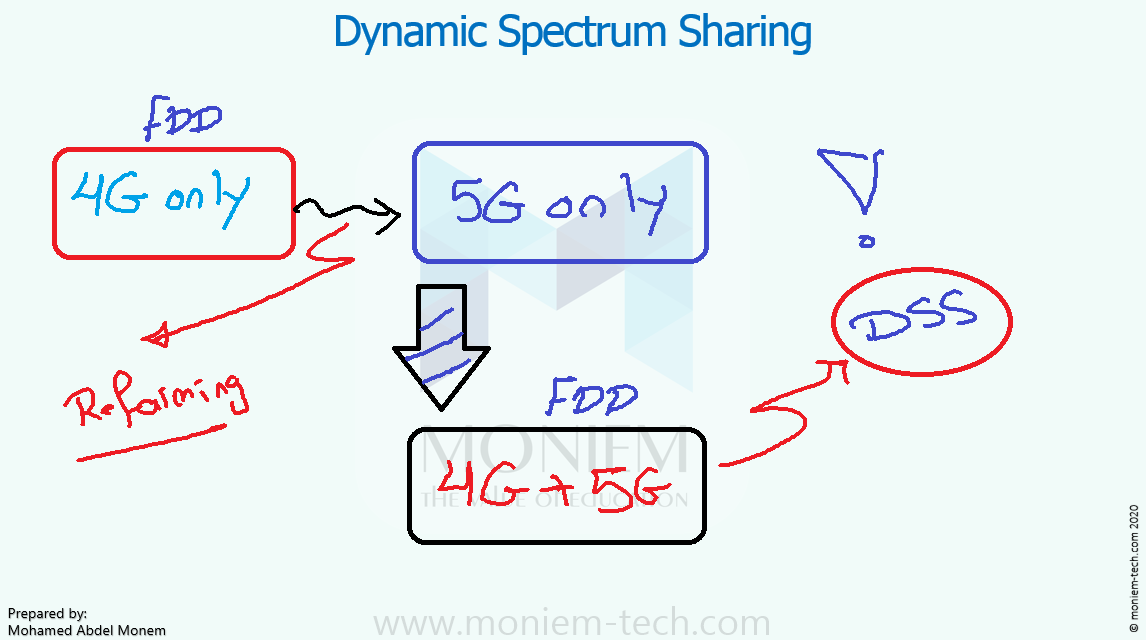
What is DSS or Dynamic Spectrum Sharing – Part 1
Before start talking about DSS or Dynamic Spectrum Sharing, let’s address the problem first and how DSS can solve it. As we know that 5G can support newly released frequency […]
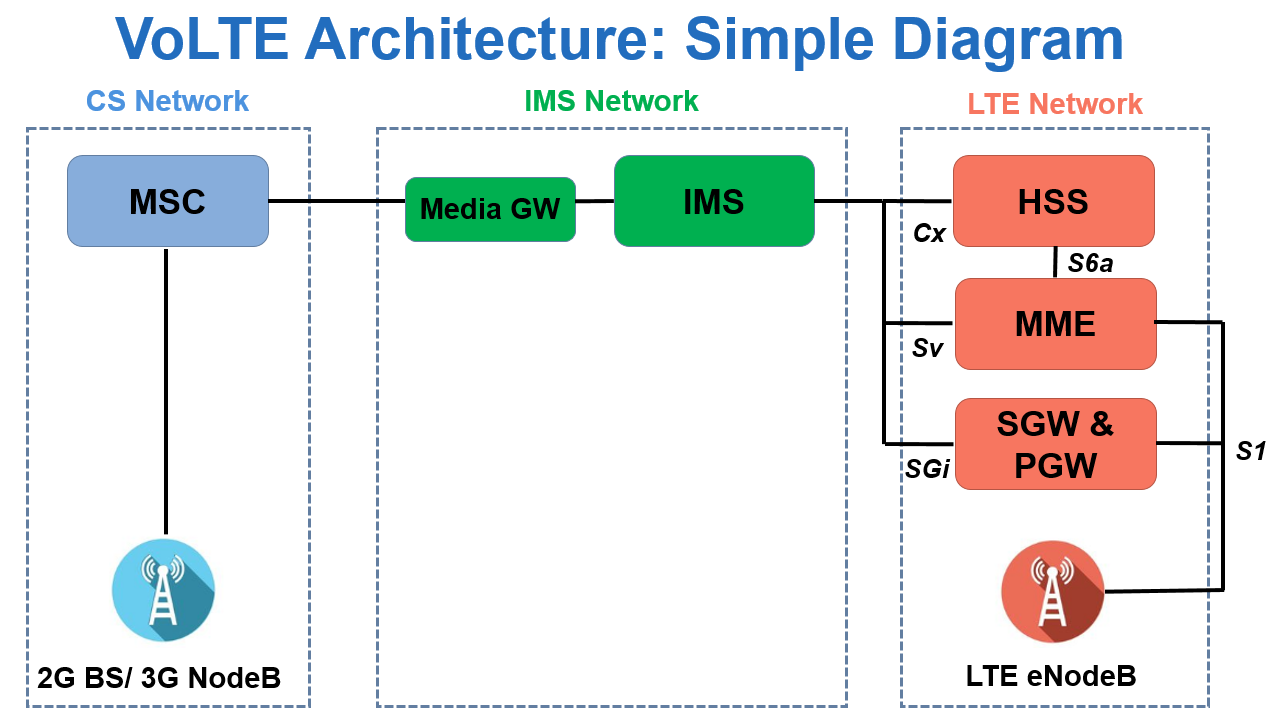
What is the Value of VoLTE?
VoLTE is the all-IP method that tightly links the voice application to the LTE network to assure the best subscriber experience in terms of performance, reliability, interoperability and global roaming. […]

Why Should Operators Care about 5G Now?
Introduction The December 2017 deadline for the primary set of New Radio (NR) technical specifications, known as early drop out/December acceleration, was finally achieved. – This acceleration was originally motivated […]