
Single Root I/O Virtualization (SR-IOV) is a specification that allows a single Peripheral Component Interconnect Express (PCIe) physical device under a single root port to appear as multiple separate physical devices […]
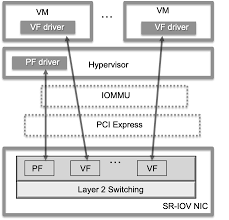
What is Single Root I/O Virtualization (SR-IOV)?
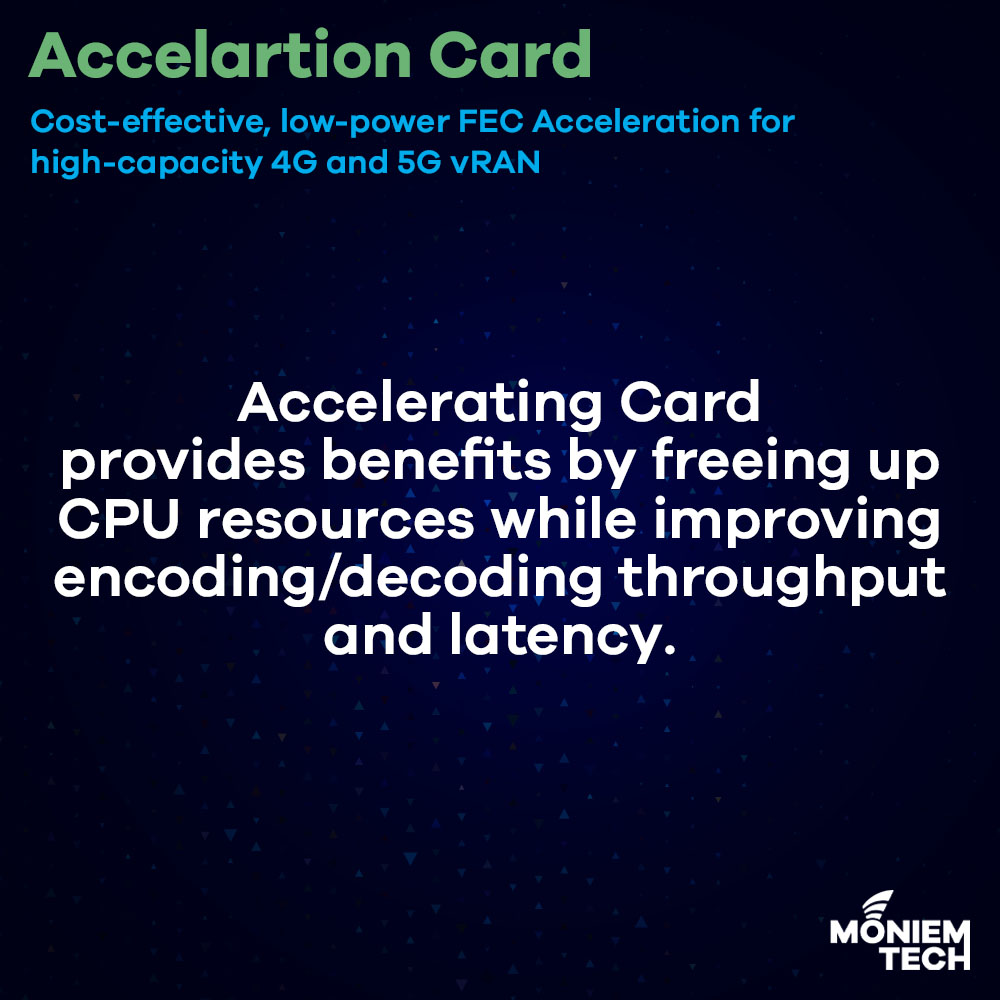
What is the Accelerating Card in Open RAN World?
On the road to 4G and 5G, MNO (Mobile Network Operators (MNOs) started to think of vRAN (Virtual RAN) and Open RAN, the main difference between them you can find […]
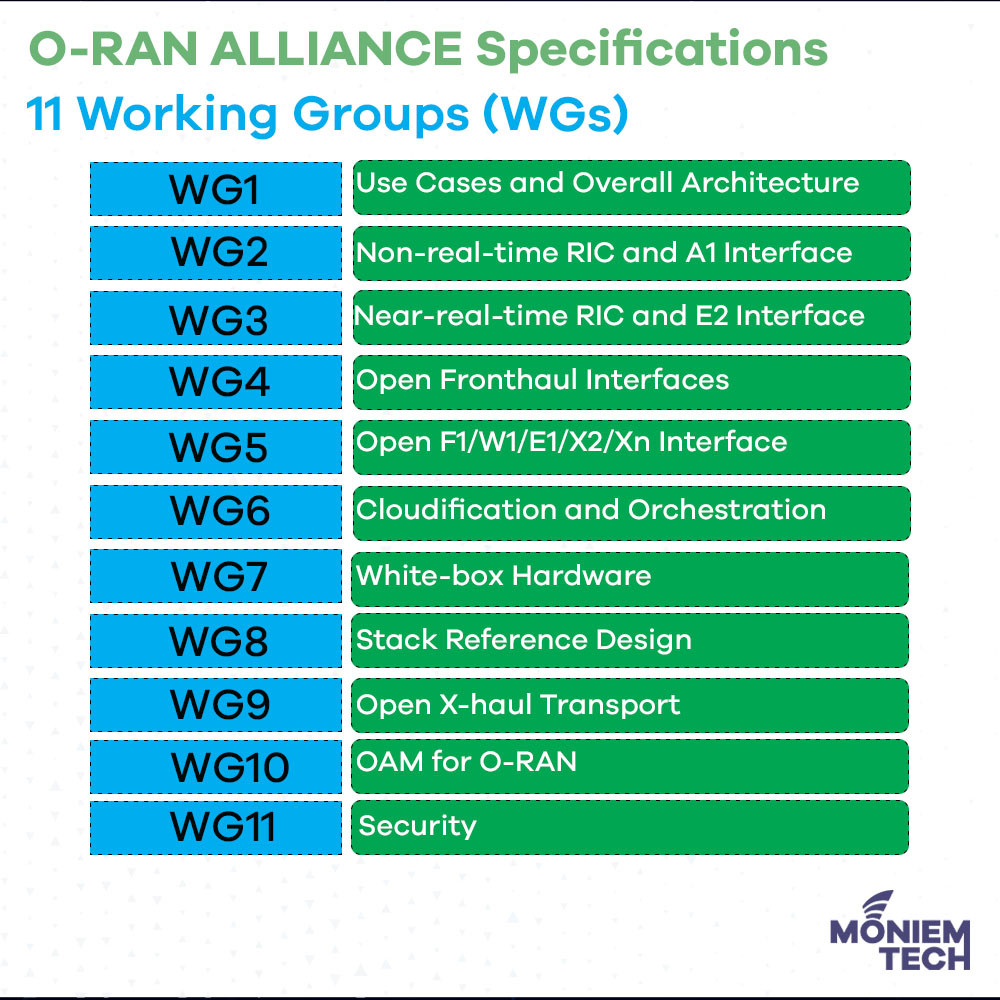
O-RAN ALLIANCE Specifications and Working Groups
The O-RAN Alliance (O-RAN) is a group that is defining specifications for radio access networks. It is a global alliance founded in 2018 and it is now comprised of close […]
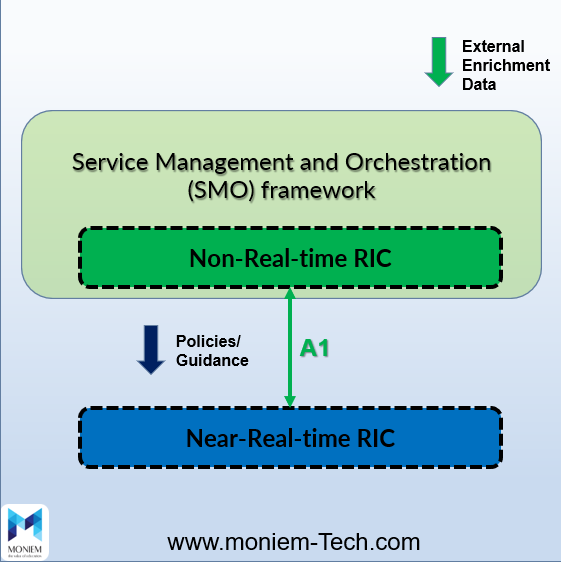
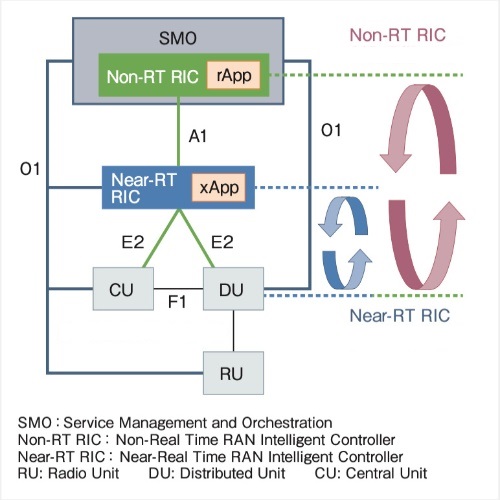
How The RIC is A Key Element in O-RAN Architecture?
In this article, I’d like to give more focus on a powerful component in the Open Radio Access Network (Open RAN) Architecture that will make an amazing shift in the […]
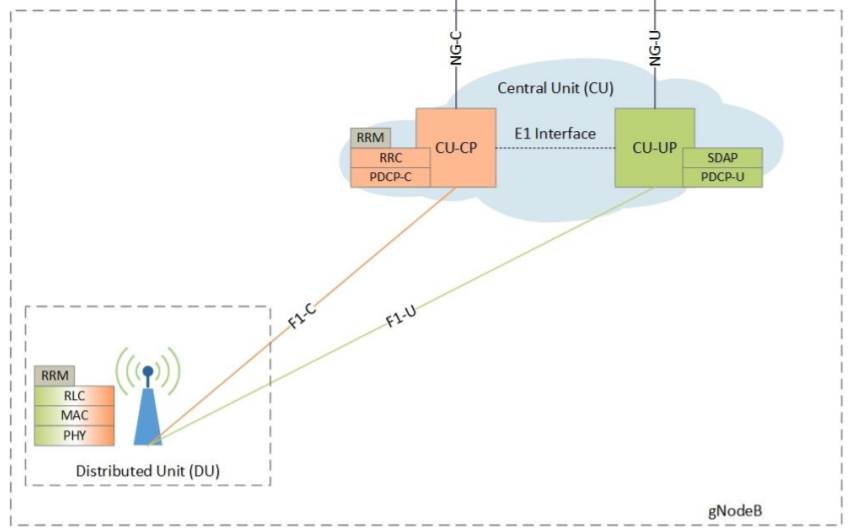
What the Open RAN Main Components?
Open RAN disaggregates the RAN into main 3 components as below: ? Upper Layer Split Central Unit (CU) • Logical node that includes a portion of the eNB/gNB functions as defined […]
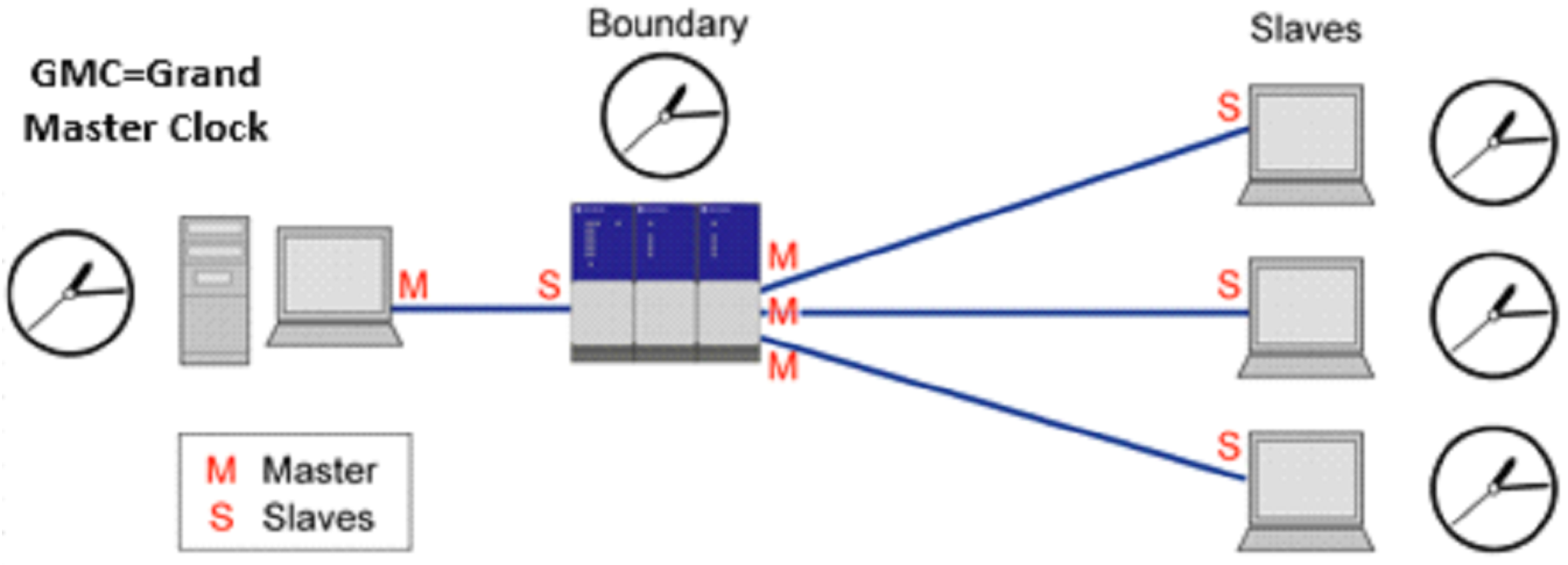
Everything You Have To Know About PTP or Precision Time Protocol?
Introduction Several time synchronization mechanisms can be used in a network. The most common standards are Network Time Protocol (NTP) and Precision Time Protocol (PTP). NTP, which is the older, […]
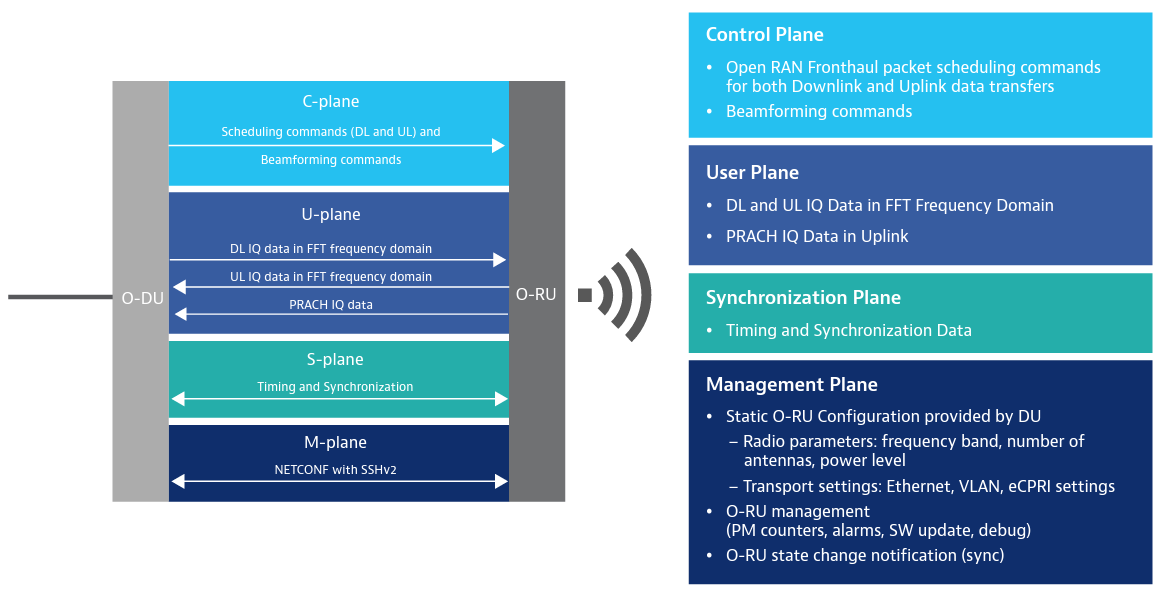
What are C/U/M/S Fronthaul (FH) Planes in ORAN ?
O-RAN’s proposed concepts and architectures use a split-RAN concept. There are 8 known ways to functionally split the RAN, and each one proposes splitting the processing so that different parts […]
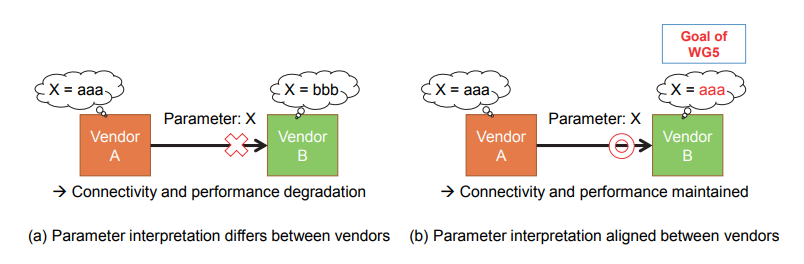
Open RAN Interoperability Between Multi-Vendor!
For the introduction of RAN functions disaggregation and open interfaces in 5G, 3GPP has in Release 15 specified a Higher Layer Split (HLS) option of the gNB, which is also […]
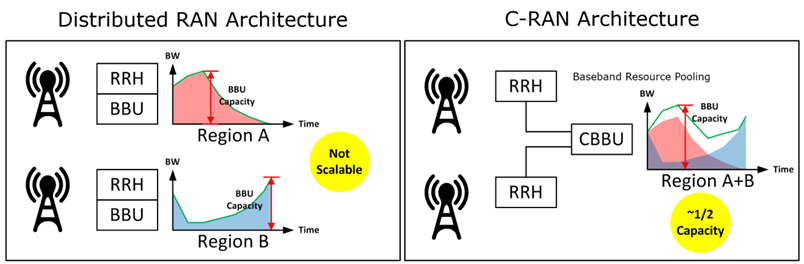
Why Do We Need to Change the RAN Mindset?
First, We need to understand the most important question, Why do we need to change our RAN from a traditional setup to a more flexible one? The Answer is: Heavy […]
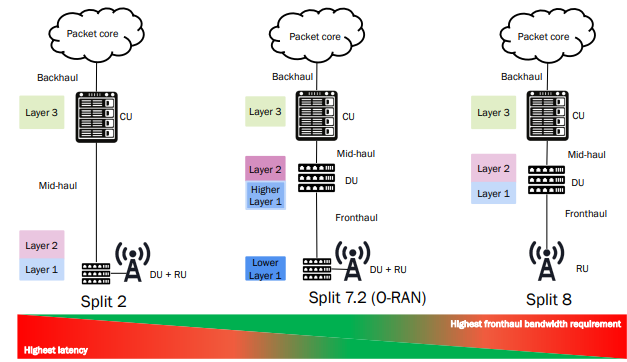
Why 7.2x split is the Best Split Option?
O-RAN’s proposed concepts and architectures use a split-RAN concept. There are eight known ways to functionally split the RAN, and each one proposes splitting the processing so that different parts […]